



















Manufacturing / Industrial What Companies Need from Modern Manufacturing Sites
Capital, infrastructure, power and workforce now define competitive manufacturing locations.
Read MoreCapital, infrastructure, power and workforce now define competitive manufacturing locations.
Read MoreWhy companies expanding today must rethink labor, sites, and operational resilience.
Read MoreHow ownership restrictions are complicating industrial site selection.
Read MoreAs EV momentum slows and tariffs rise, automotive companies are reworking supply chains, production plans, and location strategies to adapt to a rapidly changing market.
Site selection doesn’t start with “where” — it starts with alignment, clarity and structure.
Why advanced manufacturers are treating site selection as a long-term business strategy, not a transaction.
Reestablishing the value of the office has driven trends in workplace investment and location strategy
Manufacturers can’t afford delays—here’s what to ask for before picking your next site.
The Court blocks the administration’s use of emergency powers to impose tariffs, but alternative legal pathways — and political will — suggest trade duties will remain embedded in the operating environment
ContinueFor first-time foreign investors, confidence — not incentives — has become the gating factor.
ContinueDiscover how the OBBBA creates a short-lived opportunity for modular developers to accelerate deductions, leverage restored bonus depreciation, and meet tight 2026 energy-incentive deadlines.
ContinueAfter a year where “shovel ready” often unraveled under scrutiny, the forward play is fewer unknowns and faster paths to operation—because constraints decide the field before incentives do.
ContinueThe era of easy expansion is over—success now depends on early alignment among utilities, governments, and capital.
ContinueSmarter expansion begins with smarter location decisions — especially as automation, sustainability, and supply chain risk redefine the packaging industry.
ContinueA surge of new supply, aging legacy facilities, and shifting operator strategies are creating a widening divide between modern, efficient assets and obsolete space across the nation’s cold storage footprint.
ContinueAs investment surges, a thinning workforce forces companies to rethink where—and how—they build in America.
ContinueHow rising tariffs, weak sentiment, and slowing e-commerce are shifting warehouse vacancy rates across major U.S. markets.
ContinueBusiness leaders should brace for potential costs and disruptions as North America’s free trade deal heads for review.
ContinueCompanies nowadays must understand how people live, work, and connect to the workplace.
ContinueNew research shows how economic development leadership is shifting beyond deals and incentives.
ContinueDemand is a given. Power, timelines, and execution are not — and that’s where 2026 decisions are getting made.
ContinueHow federal capital, private investment, and place are quietly reshaping U.S. manufacturing.
ContinueAs industrial policy accelerated, the gap between ambition and execution widened: supply chain security, workforce clearance, and infrastructure bottlenecks revealed the unforgiving realities of building strategic industries at home.
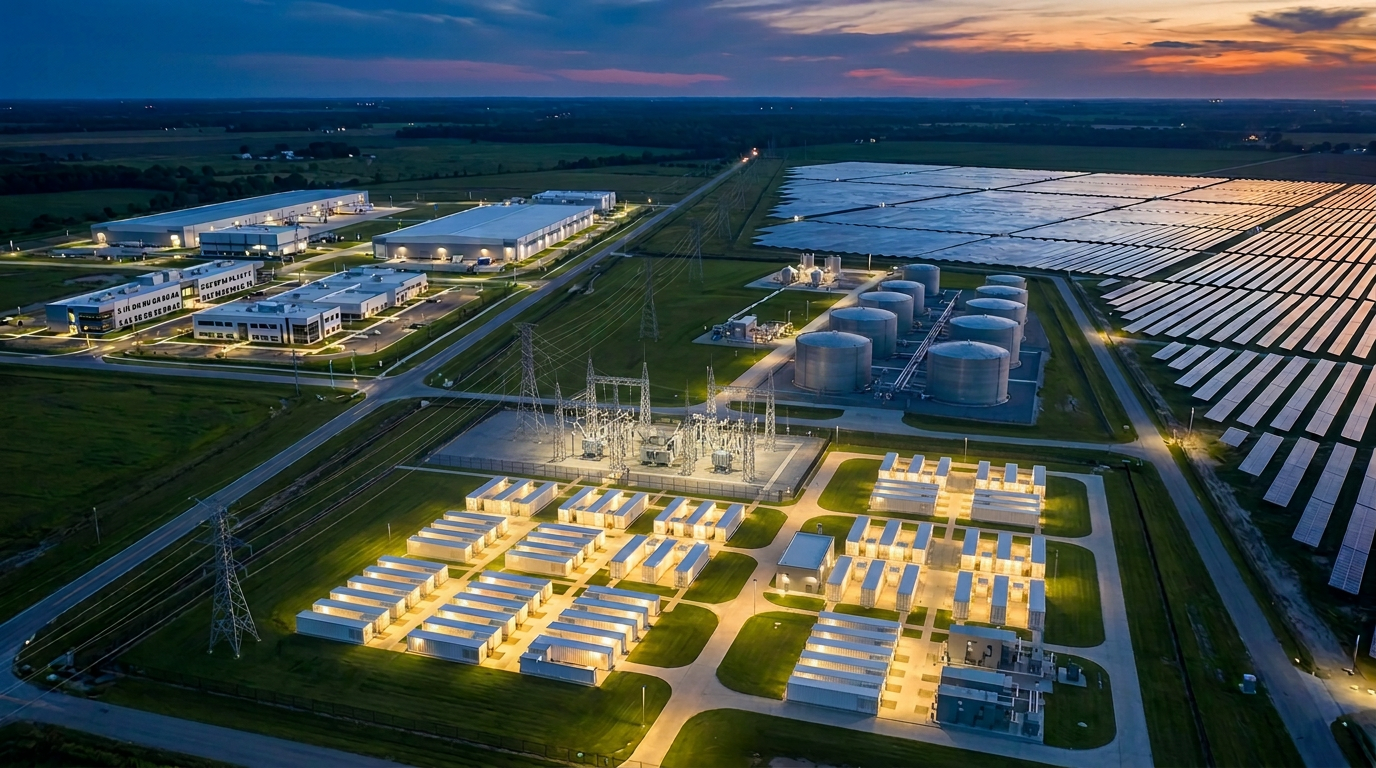
ContinueFacilities facing interconnection bottlenecks are accelerating production by investing directly in resilient, on-site energy systems.
ContinueDomestic drug production is becoming a matter of national security, not just market strategy.
ContinueSmaller and mid-sized U.S. metros are outpacing big cities, leveraging workforce agility, affordability, and livability to redefine competitiveness and attract investment in 2025.
ContinueAI is freeing skilled tradespeople to focus on craftsmanship, safety, and growth as labor pressures intensify.
ContinueA Site Selector’s Guide for Separating the Real Partners From Pretenders.
ContinueHow data, labor, and logistics drive location decisions for next-gen MedTech manufacturing.
ContinueThe Court blocks the administration’s use of emergency powers to impose tariffs, but alternative legal pathways — and political will — suggest trade duties will remain embedded in the operating environment
Business leaders should brace for potential costs and disruptions as North America’s free trade deal heads for review.
MABA reframes conservation policy by emphasizing incentives, partnerships, and business-friendly opportunities across sectors.
Voluntary regional consolidation can deliver what corporate project teams value most: predictability, speed and scale. Indiana’s experience and international models show how optional, capacity-building frameworks make regions more investable.
Infrastructure can power your supply chain—but only when planned with foresight.
With supply chain pressures mounting, America’s logistics network is being rebuilt from the ground up and states are competing for the infrastructure edge by investing in ports, air cargo, and cold storage.
How economic developers, manufacturers, and policymakers can prepare for potential trade shifts.
Area Development talked with Norfolk Southern’s GVP of Industrial Development, Craig Hudson, about the evolving importance of rail in site selection, supply chain sustainability, and emerging sectors like metals and advanced materials.
Smarter expansion begins with smarter location decisions — especially as automation, sustainability, and supply chain risk redefine the packaging industry.
After a year where “shovel ready” often unraveled under scrutiny, the forward play is fewer unknowns and faster paths to operation—because constraints decide the field before incentives do.
How ownership restrictions are complicating industrial site selection.
A Site Selector’s Guide for Separating the Real Partners From Pretenders.
Discover how the OBBBA creates a short-lived opportunity for modular developers to accelerate deductions, leverage restored bonus depreciation, and meet tight 2026 energy-incentive deadlines.
New challenges—from automation to federal fallout—are testing how companies manage risk in incentive-backed projects
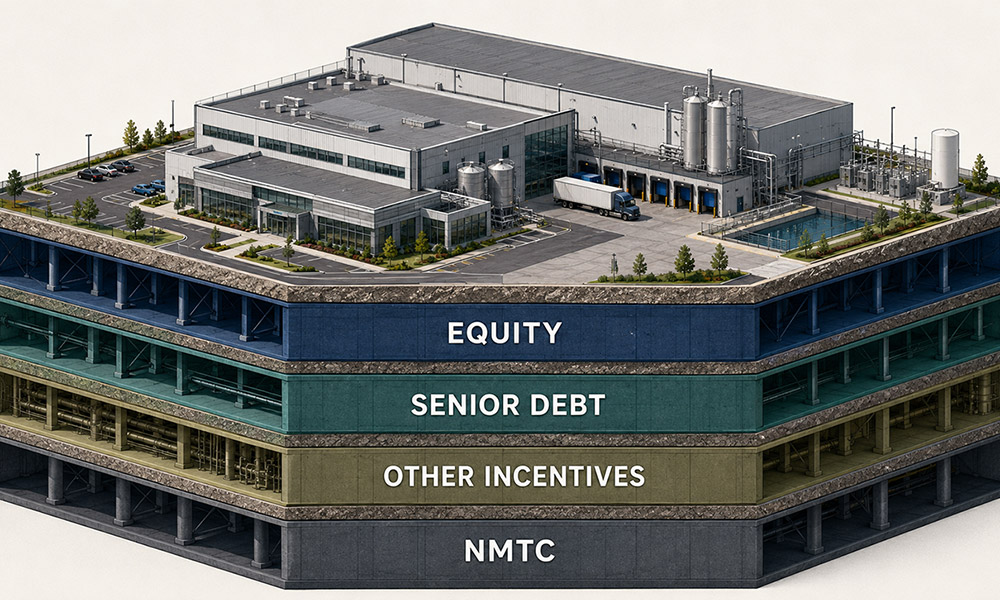
New market tax credits offer millions in upfront funding for projects that create jobs and serve underserved communities.
States and cities have tied incentives to diversity, equity, and inclusion (DEI) goals — such as subcontracting targets or workforce composition — but a new executive order from the Trump administration and related lawsuits are raising the legal stakes. That raises new questions about what’s lawful and what’s not when it comes to DEI, affirmative action, and the use of contracting targets — and how that may impact your next location decision.
How to plan manufacturing facilities with safety in mind.
Although records have been set for massive industrial spaces, the market has been shifting to smaller buildings.
New regulations to expand cybersecurity expertise and reporting requirements can only help to eliminate the very real threats companies are facing on a daily basis.
To find out more about the current cyber threats companies are facing and their responses to such threats, Area Development’s staff writer, Lisa Bastian, interviewed Michael Morris, a managing director in Deloitte’s Cyber Detect & Respond practice.
Legal risks and the rise of the AI clause in construction contracts.
The energy transition is reshaping real estate strategy as utilities and corporations compete for control of generation assets.
Construction firms are navigating supply shocks, labor shortages and policy pressures with smarter, early-stage coordination.
Karis Cold’s Ken Verne joins Area Development to talk about urban infill opportunities, automation readiness, ESG strategy, and why facilities need to be designed for 2030—not just today’s needs.
In Elkhart, Indiana, a 171,000-square-foot “wood warehouse” built by Graycor may point the way toward a more sustainable model for industrial construction.
Faced with the prospect of building a massive $700 million surface reservoir, Greeley instead pursued something few communities have dared to try.
Georgia’s newest innovation district bets big on climate-ready infrastructure and long-term planning.
Sustainability has moved from a buzzword to a critical business practice, driven by government regulations and building codes as well as end-user expectations.
Could a prolonged strike have disrupted U.S. supply chains further?
Salary transparency in job listings offers new insights into wages.
The new year brings some significant changes that will impact employers who have entry-level workers, with 22 states raising their minimum wages effective January 1st.
According to the experts, respecting and listening to employees’ concerns is key to keeping unionizing efforts at bay.
AI is freeing skilled tradespeople to focus on craftsmanship, safety, and growth as labor pressures intensify.
As investment surges, a thinning workforce forces companies to rethink where—and how—they build in America.
Employers must modernize their training programs if they want to attract and retain the next generation.
The booming data center industry urgently needs more skilled workers to sustain growth.
Companies nowadays must understand how people live, work, and connect to the workplace.
Workforce demographics are reshaping how and where companies design and locate their offices.
Reestablishing the value of the office has driven trends in workplace investment and location strategy
Meaghan Elwell serves as the President of the Industrials Division at JLL Work Dynamics, where she oversees global outsourcing relationships across various sectors, including Manufacturing, Aviation, Automotive, Logistics, Oil & Gas, and Utilities. With over 20 years at JLL, she has extensive experience in managing corporate relationships and large real estate portfolios.
Two decades of dealmaking, diversification, and economic momentum — this year’s Shovel Awards celebrate the states digging deepest to build the future.
If you’re reading this magazine, you’re likely grappling with questions that don’t have easy answers: Where will the next constraint show up? What will this election cycle do to capital flows? How do you build resilience without losing speed?
Economic growth shines at the Area Development Shovel Awards, with states like South Carolina and Louisiana leading the charge. Discover which regions are driving innovation and sustainability in industries from automotive to green technology.
Louisiana leads with green, earning the first-ever Green Shovel for its commitment to renewable energy. The state's significant cleantech investments highlight a national shift toward sustainable development.
The fluidity of digital innovation - and its lack of dependence on a traditional industrial infrastructure - means that tech havens are blooming in newer magnets where tech-savvy workers are prevalent, ranging from Ann Arbor, Michigan to Richmond, Virginia.
Manufacturers and corporate real estate executives often talk about speed to market and clarity of process as deciding factors in site selection. Fort Worth is testing what happens when a city reorganizes itself around those principles.
In an undersupplied NYC market, a historic multistory facility shows why what seemed obsolete is now indispensable for last-mile distribution.
AI’s power hunger is pushing data centers underground, underwater—and soon into orbit—redefining cooling, reliability, and sustainable energy.
Smaller and mid-sized U.S. metros are outpacing big cities, leveraging workforce agility, affordability, and livability to redefine competitiveness and attract investment in 2025.
Nearly four years after COVID locked down the U.S. economy, the top 50 Leading Metro Locations in 2024 still depict the ripple effect of the shift to remote work.
The 2024 metro rankings reflect a number of small metros that have successfully attracted industrial projects in the last five years.
Speed, workforce alignment, and energy infrastructure now define the best states for doing business — not just incentives or tax breaks. Our exclusive rankings break down how the top performers are staying ahead in a tightening market.
Certain states just have the right ingredients for attracting and nurturing business growth. The 2024 Top States for Doing Business rankings are in, and guess what? The Southern states are shining bright once again.
Having a workforce with the right skills is an integral part of being a Top State for Doing Business — that’s why training programs are so important.
Oil and gas industry consolidation will likely lead to increased demands for higher-quality offices in top locations.
Companies prioritize values and mission when choosing modern headquarters locations.
The post-pandemic remote working trend has resulted in “emerging” or “other” metros performing better than the more established tech markets.
Companies are relocating their headquarters for myriad reasons, including to lower costs, access skilled talent, improve accessibility, and burnish their corporate image.
Demand is a given. Power, timelines, and execution are not — and that’s where 2026 decisions are getting made.
AI’s power hunger is pushing data centers underground, underwater—and soon into orbit—redefining cooling, reliability, and sustainable energy.
The era of easy expansion is over—success now depends on early alignment among utilities, governments, and capital.
Pre-leasing slows, location criteria evolve, and real estate tax structures face pressure from leaner buildouts.
Embedding automation into leases may offer companies a smarter way to balance risk, cost and productivity.
Partnerships with local economic developers and other community stakeholders are key to a company getting approval to site a big-box distribution center.
The exponential growth of e-commerce has, in turn, accelerated the need for both warehouse and data center space.
Given the complexity of the 3PL selection process, it is imperative to begin with a thoroughly planned strategy.
Capital, infrastructure, power and workforce now define competitive manufacturing locations.
How rising tariffs, weak sentiment, and slowing e-commerce are shifting warehouse vacancy rates across major U.S. markets.
A surge of new supply, aging legacy facilities, and shifting operator strategies are creating a widening divide between modern, efficient assets and obsolete space across the nation’s cold storage footprint.
In an undersupplied NYC market, a historic multistory facility shows why what seemed obsolete is now indispensable for last-mile distribution.