Making a Proximal Location Decision
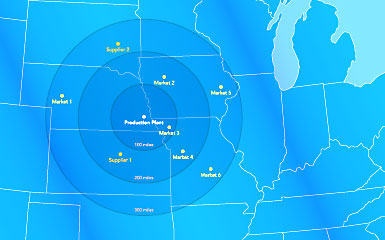
Proximity to markets and suppliers may be more important in your site selection decision than indicated by these factors' rankings by survey respondents.

Proximity to markets and suppliers may be more important in your site selection decision than indicated by these factors' rankings by survey respondents.

Although highway accessibility is consistently ranked at or near the top of the site selection factors, other factors may cause a company to opt for a site near a road less traveled.

Strategic partnerships and targeted incentive programs can help economic developers keep jobs in the U.S.
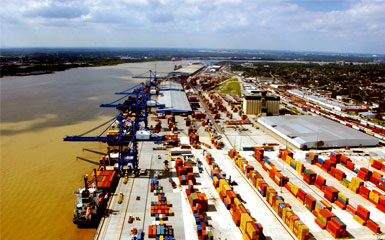

The ports on the coast of the Gulf of Mexico are poised to expand from logistics and distribution hubs to new economy centers.


Congestion at established hubs, volatile energy costs, the need for sustainability, and cost-cutting initiatives are among the trends affecting where companies are locating their warehouse and distribution operations.
Young knowledge workers have said that where they live is more important than where they work, making them a highly mobile labor force capable of influencing company location decisions.
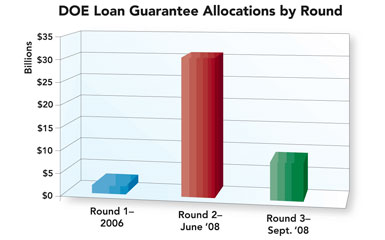
The federal government has assumed an expanded role in economic development in an attempt to stimulate the economy, and its actions will affect business investment and site selection decisions.

A trend toward home food preparation and a continuing interest in sustainability is keeping the industry simmering.
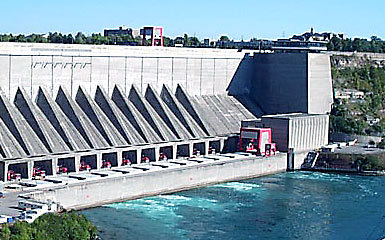

Data centers are booming in locations where power is cheap and hazards are few.
Biofuel investment and a focus on startups are part of Nebraska's strategy to continue its economic success.
Science and technology industries, along with government and defense projects, are keeping Maryland's economy stable.
Recession-related economic challenges have led Ohio officials to focus efforts on 21st century skills and education.

Investments in lithium-ion battery production lead the state's push toward alternative automotive business.
Volkswagen's $1 billion Chattanooga factory is just one investment that promises to drive the state through recession-related challenges.
Many businesses are postponing relocation plans, so Delaware is focusing efforts on retaining existing companies.
While still strongly dependent on tourism, Hawaii is turning to high-tech industries to diversify its economy.
New Mexico's decision-makers are proactively planning for aerospace and solar energy projects to create jobs.
Aerospace remains strong, and wind and solar projects have made Colorado an alternative energy hub.
Careful energy management and maintenance can save bulding managers and owners significant time and money.
The push for electronic medical records will result in an explosion in the deployment of healthcare data centers.

If we truly have hit an economic bottom, and there's nowhere to go but up, now might be the time to position yourself for your company's next move, including where to locate your distribution hubs.
Managing water and natural gas resources in food manufacturing and processing facilities is key to cost savings.

Particularly during a downturn, business enterprises can become more agile and competitive by rethinking the workplace model.
Many states are now quasi-privatizing the process to get old brownfields cleaned up and back on the tax rolls.
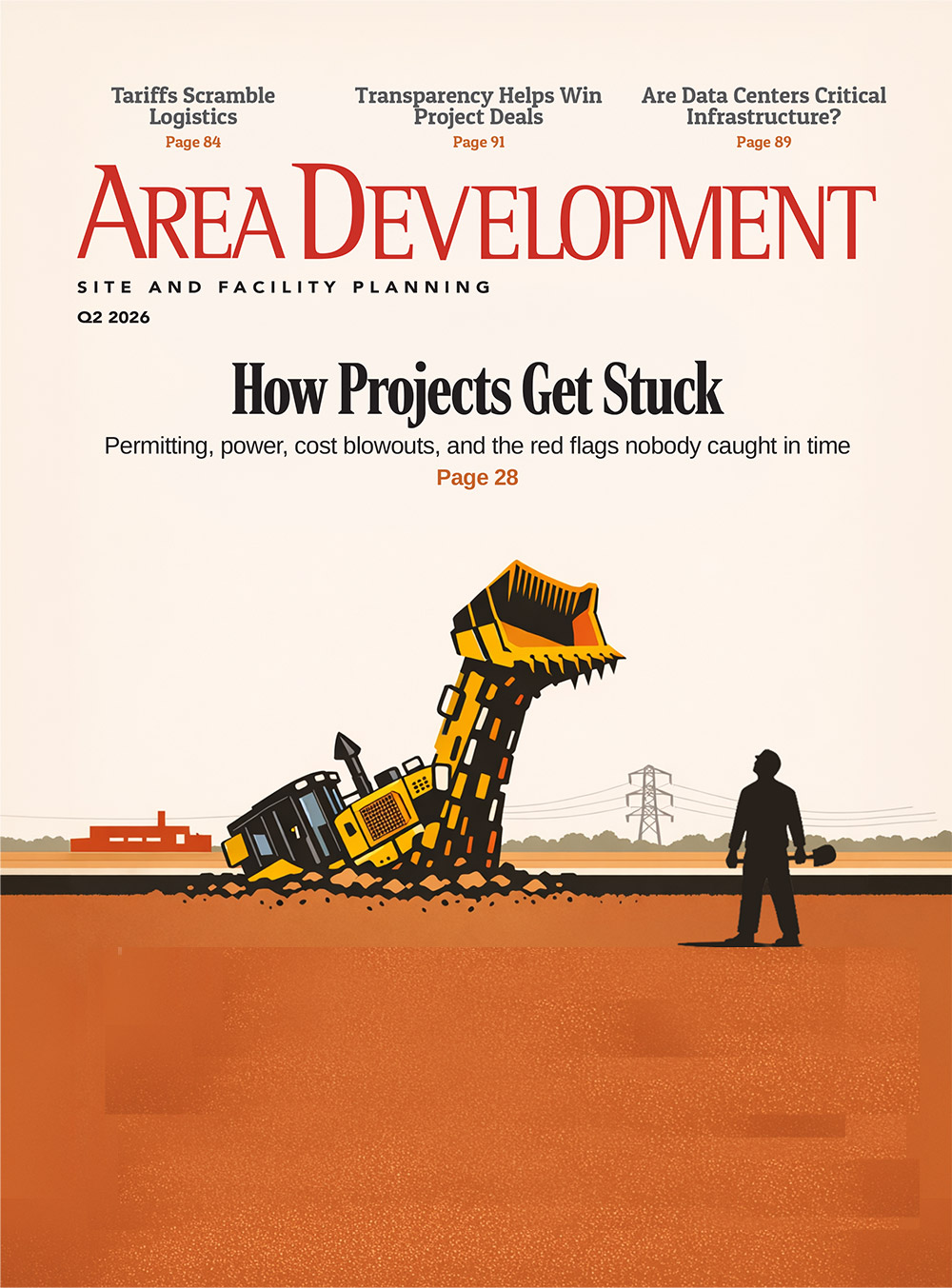
Industry experts from site selection, construction, law, and supply chain consulting weigh in on what's derailing projects in 2026 — and what it takes to keep deals alive.
Top States for Business
Annual Econdev Awards
Corporate Exec Survey Results
Leading Metro Locations