
Construction / Project Planning

Recent Features
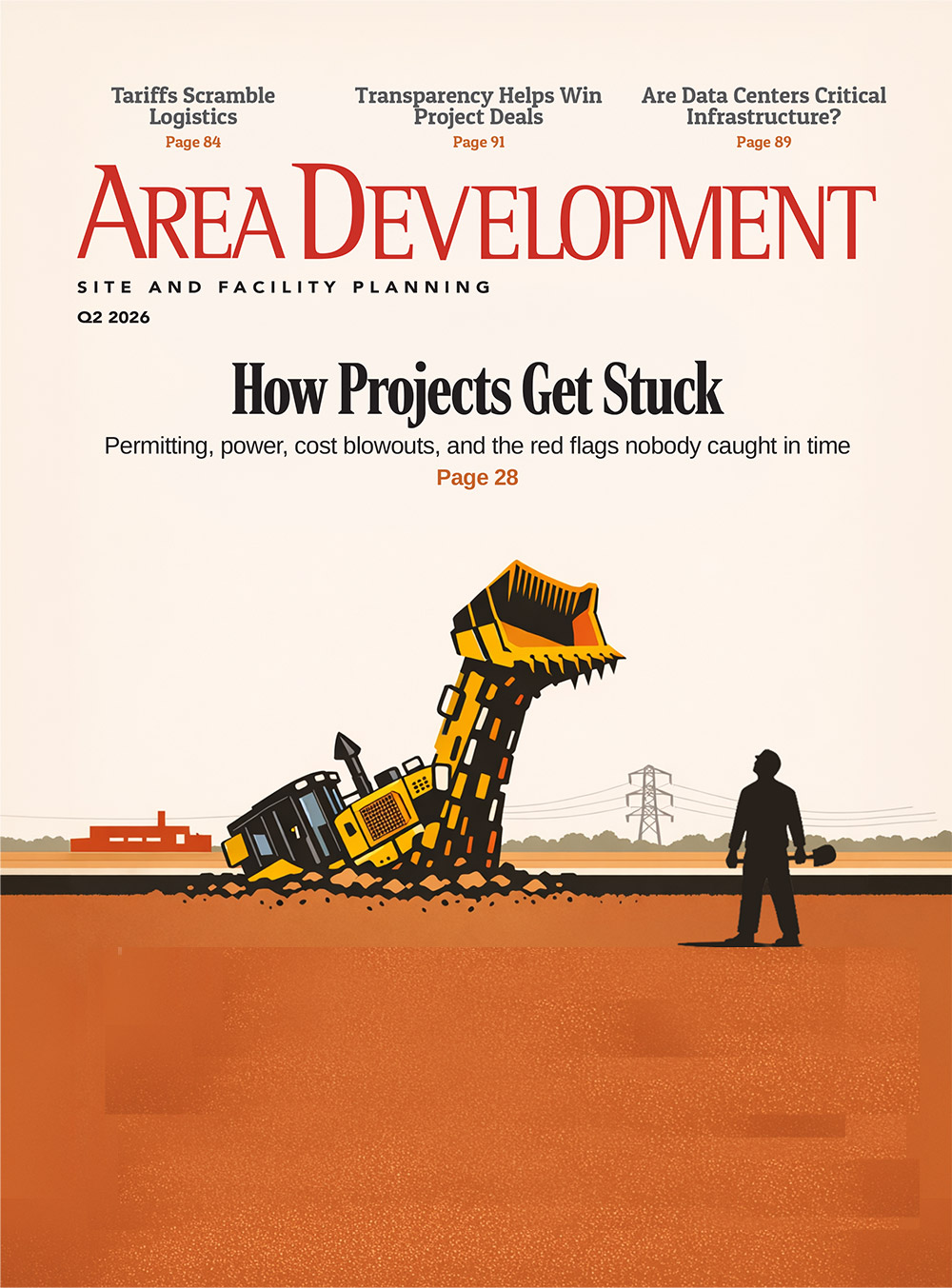
Site Constraints That Money Alone Can’t Solve
Engineering risks don't always show up in project budgets. The biggest threats to schedule are often the approvals, easements and utility commitments that money alone can't accelerate.
Why Great Sites Get Eliminated: The Critical Role of Information Presentation in Site Selection
Strong locations can fall out of contention when communities submit information that is difficult to interpret, compare or verify.

Project Counts Are Falling. Why That's Not Bad News for Economic Developers
Activity is down from its post-COVID peak, average investment is up, and the competition for major projects has gone global. Understanding what those trends mean for your community's strategy is more important than chasing the next announcement.

Where Construction Investment Goes, Economic Growth Follows
Understanding the construction industry’s multiplier effect — and the workforce infrastructure behind it — can sharpen site selection and economic development decisions.
The RFI Is No Longer the Starting Line
AI has moved the front end of site selection upstream by weeks — and the communities you evaluate are being scored before you contact them. Understanding what that pre-screening process surfaces changes how corporate real estate teams should think about their own location process.

What Economic Developers Can Learn From the World's Best Restaurant
Exceptional project experiences rarely happen by accident. The communities that stand out build systems that empower employees to create memorable moments when they matter most.

In Focus: The Cost Stack Is Inverted
Transportation represents 45 to 75 percent of operational expense for most industrial and distribution operations. Real estate by comparison, is only between 5 – 15%, a rounding error for some organizations. The implications for how location decisions should be structured — and where cost optimization effort should be focused — are significant and widely ignored.
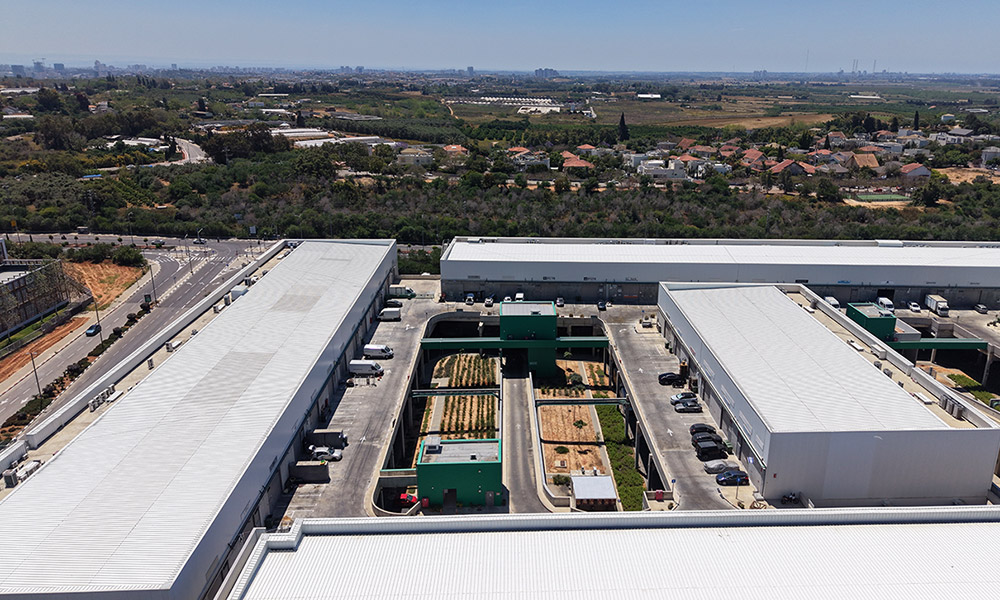
The 20-Year Test: Will This Site Still Work in 2045?
Why long-term resilience—across climate, supply chains, and technology—is now part of the site selection decision.

Incentives Don't Fix Execution Risk
Why tax breaks and grants still matter—but can't compensate for weak sites, limited power, or delivery uncertainty.

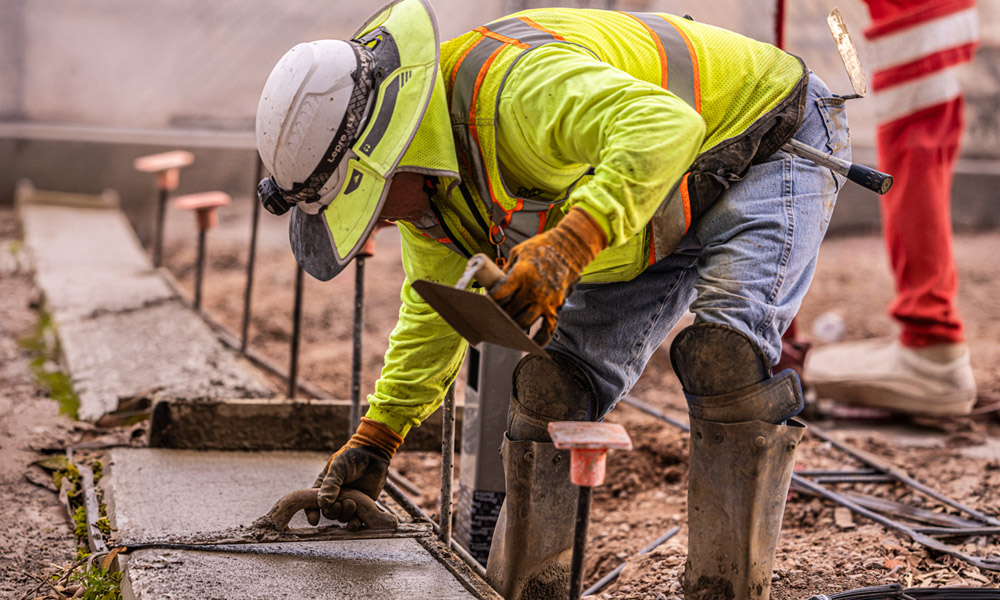
Why America's Largest Companies Are Investing in Skilled Trades
The biggest workforce challenge facing AI, advanced manufacturing and infrastructure projects isn't operating new facilities—it's finding enough skilled workers to build them.
If the Site Doesn't Work on Paper, It Won't Work in Reality
Why land constraints—not incentives or labor—are eliminating manufacturing sites before the process even begins.

The Aluminum Smelter That Could Reshape the U.S. Industrial Map
How Oklahoma landed the first new U.S. aluminum smelter in 45 years and why the investment structure matters most.
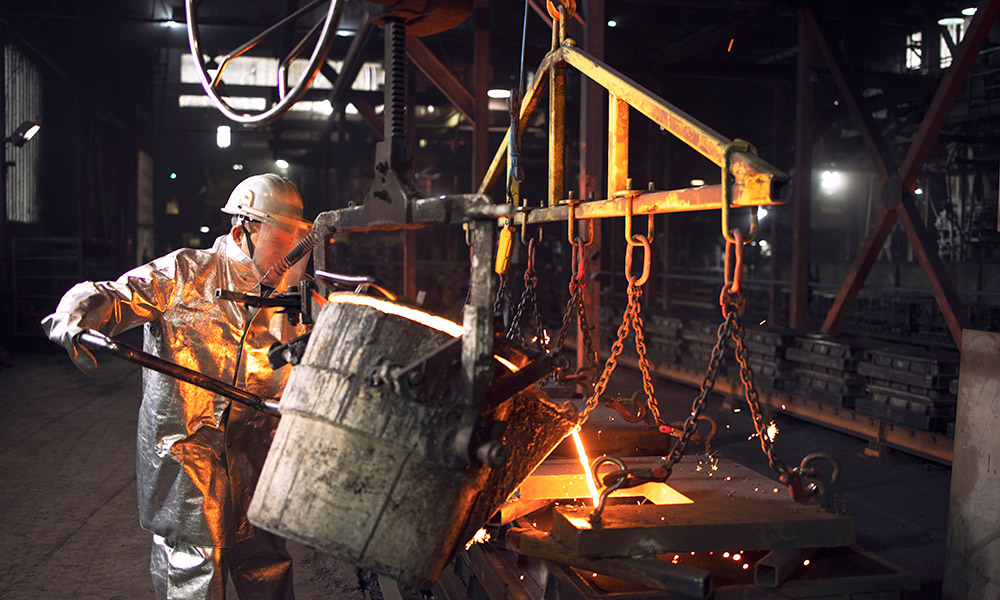
First Person: Tate Reeves, Governor of Mississippi
An examination of how Mississippi is structuring large industrial projects: maintaining excess power capacity, pre serving sites with utilities in place, and coordinating workforce development through a single entity to reduce timing gaps across infrastructure, permitting, and hiring.
Avoid These Red Flags, Deal Killers, and Blunders in Site Selection
Industry experts from site selection, construction, law, and supply chain consulting weigh in on what's derailing projects in 2026 — and what it takes to keep deals alive.
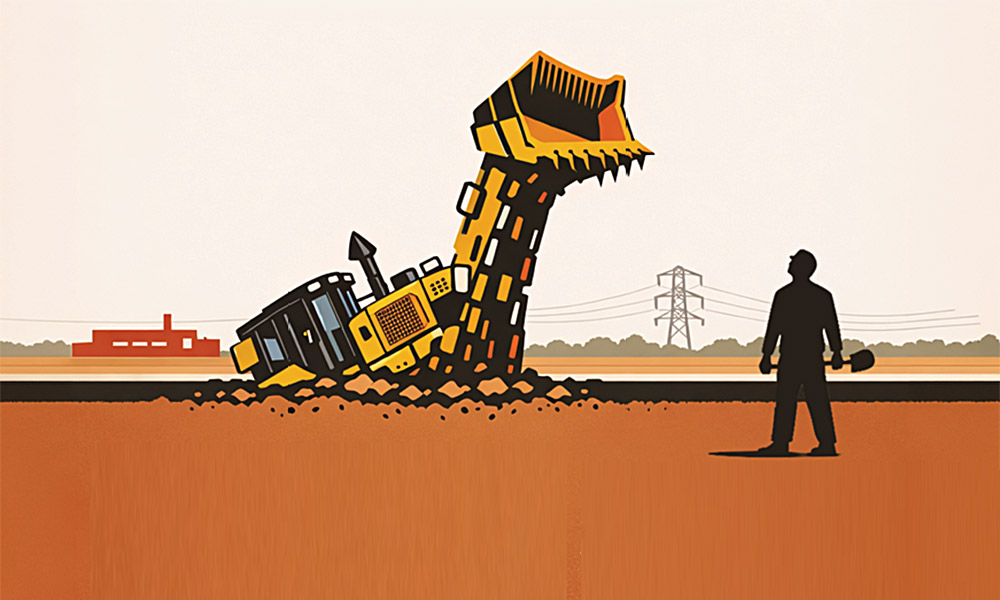
21st Annual Shovel Awards: The American Industrial Economy Remade in Real Time
The competition for transformative projects is intensifying. From $10 billion data centers to next-generation manufacturing, this year’s Shovel Awards show which states are winning—and how they’re building durable industrial ecosystems.

Buildings Are Becoming Part of the Competitive Stack
AI is changing how facilities are operated, maintained, and optimized—turning buildings from fixed assets into active participants in business performance.

What Korean Manufacturers Underestimate About Building in America
U.S. expansion decisions are increasingly won—or lost—before site selection begins. For Korean manufacturers, aligning capital strategy with infrastructure realities has become the defining challenge in executing successful investments.

Can AI Help This Supply Chain?
Companies are changing how they forecast demand, manage inventory, and make location decisions — and that transformation is happening against a backdrop of tariff turbulence, nearshoring pressure, and relentless port volatility. Here's how to read the signals.

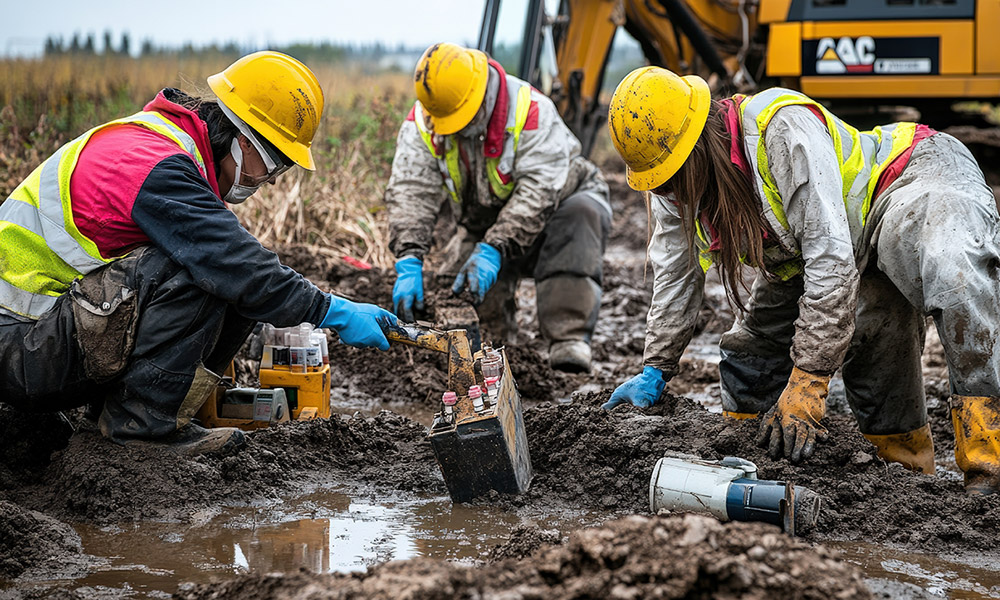
Where Early-Stage Life Sciences Companies Get Stuck Scaling Their Real Estate—and How to Move Forward
Biotech firms face delays in programming, permitting, and infrastructure as they scale from lab to production.

Transparency and Infrastructure Foresight as Competitive Advantages
Even well-positioned projects can falter when critical details emerge late.

What Does “Site Readiness” Really Mean?
A roundup of programs—and the consultants who know what they’re worth.

The Evolving Landscape of AI Infrastructure
AI is reshaping site strategy. This episode explores compressing “Time to First Token,” power-first location decisions, and the execution discipline executives need as data centers scale, faster than real estate cycles.
Editor's Note: Raising the Bar on Readiness
JLL, InfraPartners Bet Prefab Can Cut AI Data Center Timelines by Up to 22 Months
A new build model overlaps site work and fabrication to accelerate AI infrastructure delivery.

Contributed Content
Laying the Groundwork for Success: Kentucky’s Speed-to-Market Initiatives Are Fueling Future Economic Growth
Kentucky’s Product Development Initiative is translating preparation into performance.
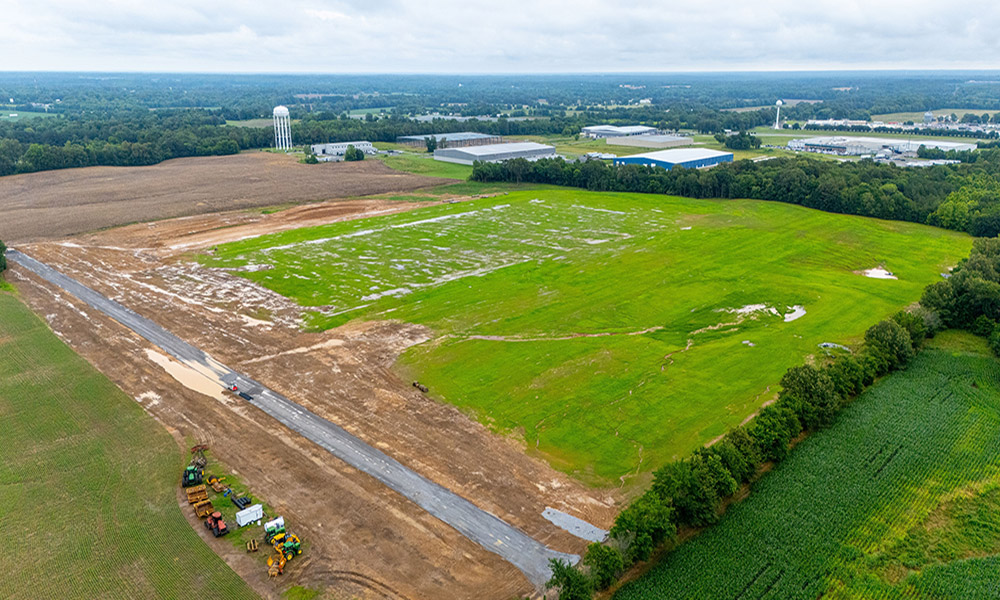
Forestry and Related Products: Why Location Mistakes Are So Hard to Undo
What corporate site selection teams must understand before committing long-term capital.
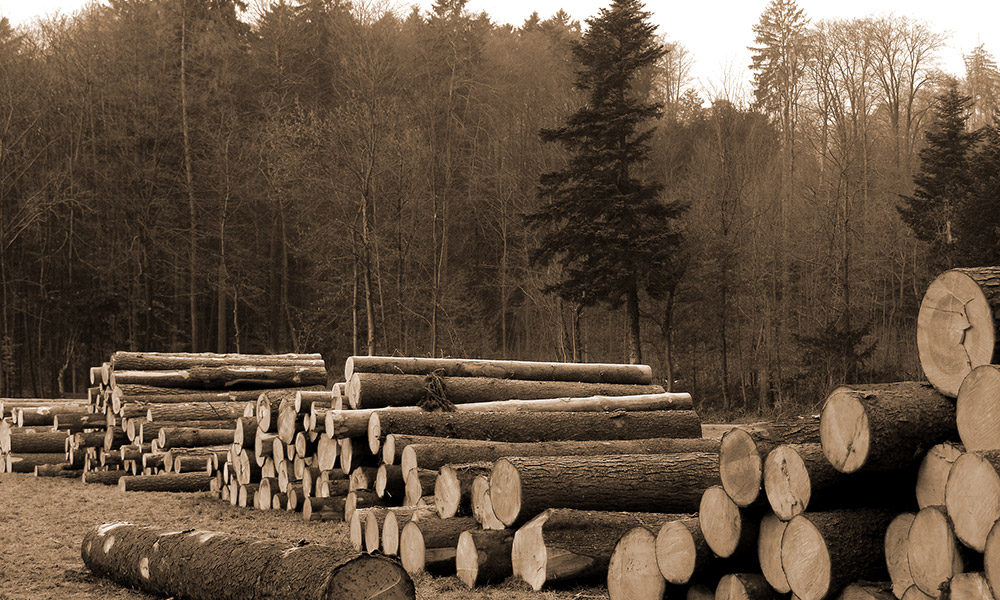
Phillip Morris International Starting Building Before Plans
How a factory went from an idea to operational in about two years.
Last Word: Don’t Lose by Winning
As site scarcity shifts corporate decisions from parcels to people, execution—not assets—is becoming the real differentiator.

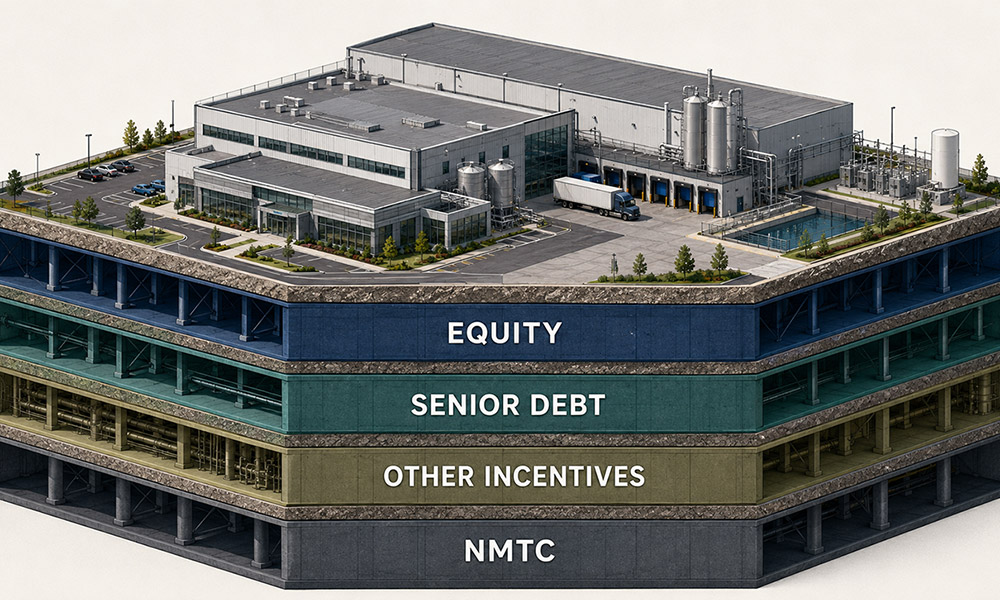
Capitalizing on the OBBBA Before the 2026 Cliff
Discover how the OBBBA creates a short-lived opportunity for modular developers to accelerate deductions, leverage restored bonus depreciation, and meet tight 2026 energy-incentive deadlines.

Economic Developer Role Shifting from Deal-Making to Systems Stewardship
New research shows how economic development leadership is shifting beyond deals and incentives.

Energy, Infrastructure, and Innovation: Building America's Future
From advanced nuclear to mass-timber logistics facilities and Atlanta’s next growth chapter, this podcast episode connects the dots on energy, workforce, and infrastructure decisions shaping competitive locations nationwide.
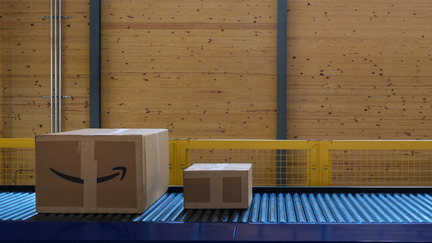
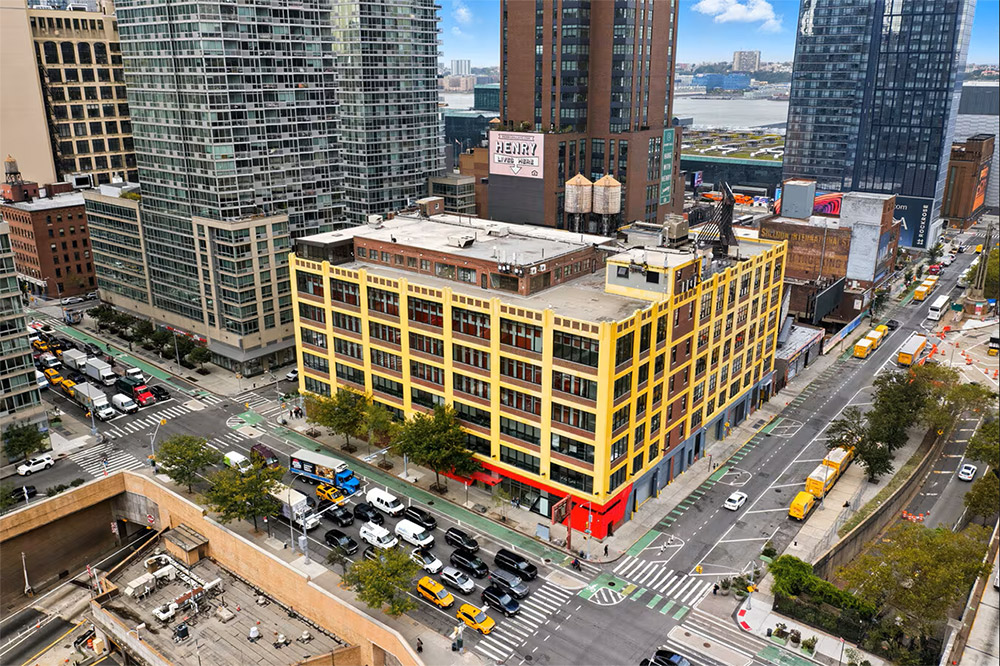
Manhattan’s Old Ramps, New Logistics
In an undersupplied NYC market, a historic multistory facility shows why what seemed obsolete is now indispensable for last-mile distribution.
Peek a Boo Data Centers
AI’s power hunger is pushing data centers underground, underwater—and soon into orbit—redefining cooling, reliability, and sustainable energy.
Data Centers in 2025: When Power Became the Gatekeeper
The era of easy expansion is over—success now depends on early alignment among utilities, governments, and capital.
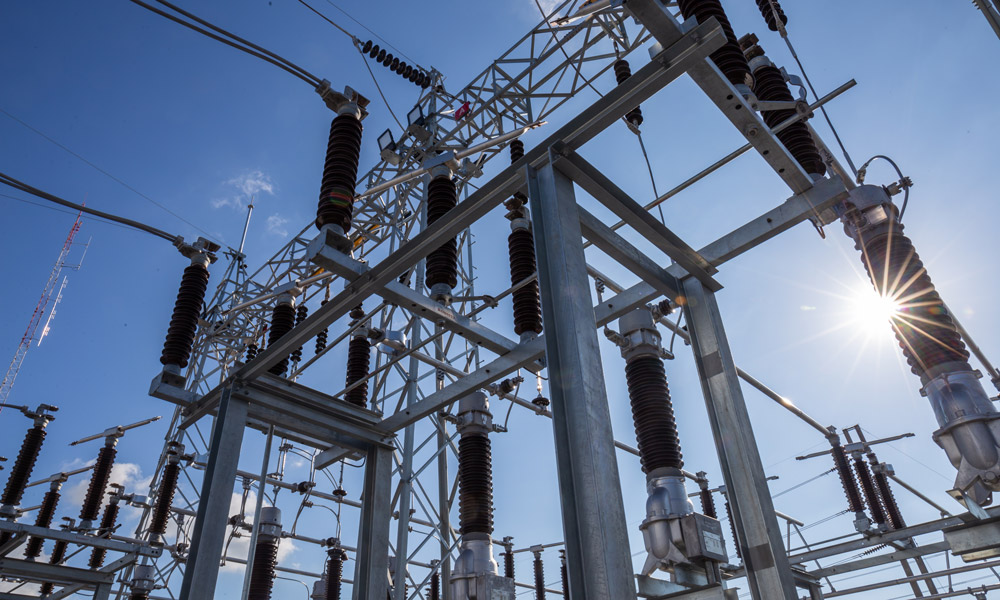
A Single Front Door for Corporate Investment in Fort Worth
Manufacturers and corporate real estate executives often talk about speed to market and clarity of process as deciding factors in site selection. Fort Worth is testing what happens when a city reorganizes itself around those principles.

The Cold Chain Sector Recalibration
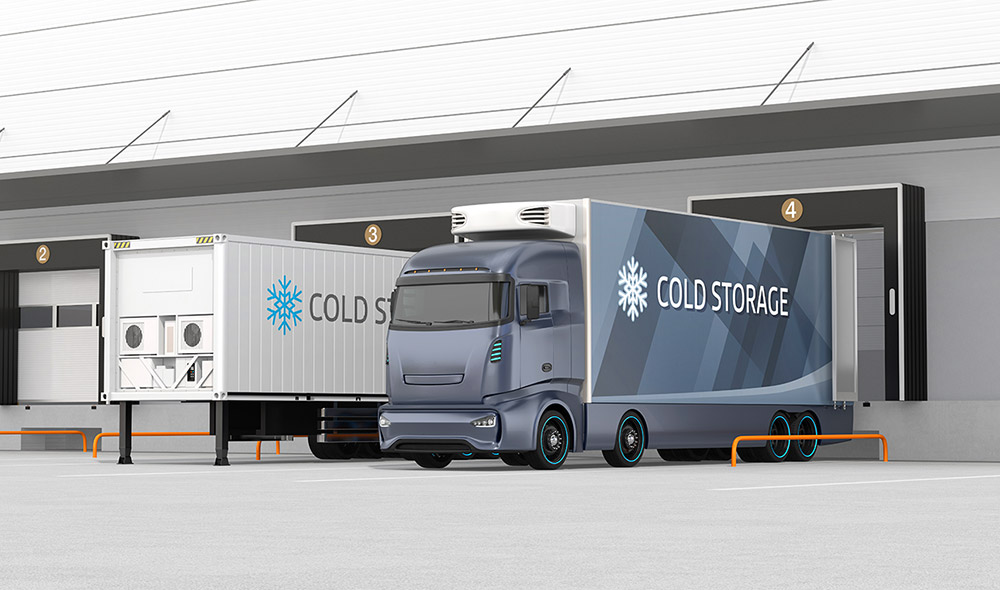
A surge of new supply, aging legacy facilities, and shifting operator strategies are creating a widening divide between modern, efficient assets and obsolete space across the nation’s cold storage footprint.