Workplace Trends



Recent Features
2026 Outlook: The Corporate HQ Is Getting Smaller — and a Lot More Demanding
With hybrid work now a constant, corporate real estate leaders are shifting from “wait-and-see” to execution. The result: less space, higher cost per square foot, and a growing premium on offices that deliver measurable value in collaboration, culture and talent outcomes.
Editor's Note: The Year Site Selection Grew Up
Energy availability takes center stage as companies compete for grid capacity and rethink growth strategies
The Office Is Back but Is the Portfolio Strategy Aligned?
Reestablishing the value of the office has driven trends in workplace investment and location strategy

What We’re Getting Wrong About Gen Z’s Future in the Skilled Trades
Employers must modernize their training programs if they want to attract and retain the next generation.

Lead with Facts, Land the Deal
Site selection starts with infrastructure, not charm — here’s how EDOs can prepare.

How Innovation and Investment Are Reshaping Life Sciences in 2025
Talent shortages, financing volatility, and supply chain shifts define the life sciences outlook.

The Legal Limits of DEI in Incentives Agreements, Hiring, and Contracting
States and cities have tied incentives to diversity, equity, and inclusion (DEI) goals — such as subcontracting targets or workforce composition — but a new executive order from the Trump administration and related lawsuits are raising the legal stakes. That raises new questions about what’s lawful and what’s not when it comes to DEI, affirmative action, and the use of contracting targets — and how that may impact your next location decision.

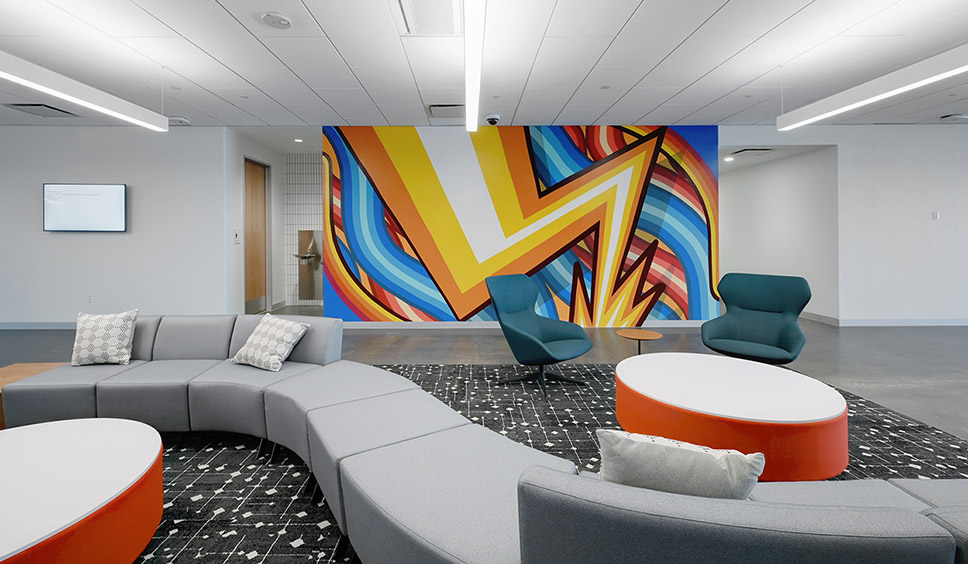
Why Art Belongs in Industrial Spaces
Once dismissed as decorative, workplace art is now being embraced as a powerful tool for improving employee well-being, productivity, and a company’s public image.
First Person: Meaghan Elwell, Division President for JLL’s Industrials
Meaghan Elwell serves as the President of the Industrials Division at JLL Work Dynamics, where she oversees global outsourcing relationships across various sectors, including Manufacturing, Aviation, Automotive, Logistics, Oil & Gas, and Utilities. With over 20 years at JLL, she has extensive experience in managing corporate relationships and large real estate portfolios.
Around the Horn: Incentives and Workforce Development with Amy Gerber and Kathy Mussio
Area Development's Andrew Greiner speaks with economic development incentives experts Amy Gerber of Cushman & Wakefield and Kathy Mussio of Atlas Insight. Together, they discuss the evolving landscape of tax incentives, the shift toward workforce.
How Automation Is Actually Closing the Labor Gap
Robotics and automation offer solutions to the critical labor shortage in the U.S., enhancing efficiency and worker safety and preparing the workforce for the future.

Run a Job Task Analysis
Use this analysis to address skills gaps and boost retention.

The Workforce Factor: How States Are Competing to Build Tomorrow's Talent
States with top programs share a few elements that make them standout.

Editor's Note: Raising a future American
As site selectors, we seek communities that nurture versatile talent pools. And as parents, we’re working to prepare our kids to be part of that future workforce. In the end, both parenting and site selection come down to building for the future.
Industries Look for Employees in Nontraditional Spaces Amid Labor Shortage
Employers turn to untapped talent pools to address workforce gaps.

Beyond Square Footage: Mission-Driven Differentiation Helps Buildings Stand Out in Battle for HQs
Companies prioritize values and mission when choosing modern headquarters locations.

What to Make of the Rising Trend of Salary Transparency in Job Descriptions
Salary transparency in job listings offers new insights into wages.
Which AI Tools Work for Job Recruiters?
Some AI tools make it easier for recruiters to find top candidates. Here’s the skinny:

Creative Recruiting Might Help Close the Manufacturing Skills Gap
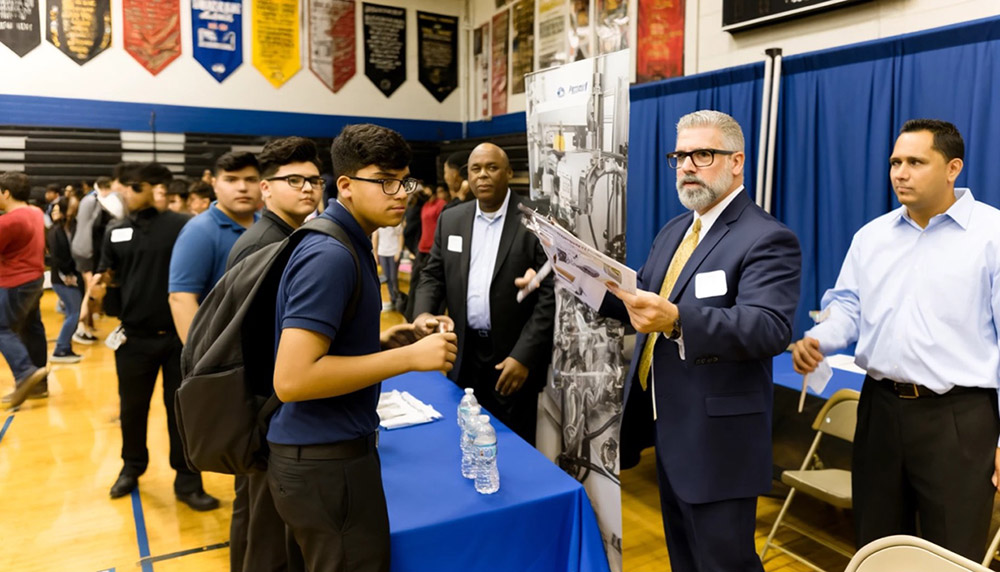
Faced with a dearth of skilled workers, some companies are looking to high schools and community centers to find manufacturing labor.
In Focus: Is This Community Approach the Blueprint for Sustainable Industrial Development?
Industrial designers are exploring the transformative potential of landscape architecture to harmonize industrial development with environmental sustainability and community well-being.

Hooray, it’s World Facility Management Day 2024!
Explore the impact of facility management with George Schmidt, who talks about the evolving roles of FM professionals, the integration of AI and sustainability practices, and the future trends that are shaping this critical industry.

Why Smaller May Be Better for Some Businesses
Although records have been set for massive industrial spaces, the market has been shifting to smaller buildings.

Making Hybrid More Human in 2024
From theory to action — CRE leaders are putting strategies in place to make the workspace a center of collaboration and innovation.

In Focus: Rethinking Industrial Site Selection: A Retail Perspective
The idea of putting the needs of the potential workforce first when making the location decision mirrors retail’s tradition of prioritizing customer satisfaction.

Impact of the Latest Minimum Wage Increases
The new year brings some significant changes that will impact employers who have entry-level workers, with 22 states raising their minimum wages effective January 1st.

Editor’s Note: The Worker Shortage - A New Reality
With a worker shortage that seems destined to persist, employers are turning to AI/automation and upskilling, while also realizing that comprehensive immigration reform is necessary to fill gaps in the labor force.
The Importance of Understanding Labor Issues in Making the Location Decision
Site selectors should assess a potential location’s workforce with an eye to identifying areas of concern that might make it open to unionization efforts.

Look Beyond the Now When Considering Workforce Priorities
Industrial site selectors must consider not only a prospective location’s current labor pool but also its recruiting reach and unanticipated future demands and costs of a particular market.

Insights on Staffing and the Location Decision
When selecting a new site, companies today confront an ever-changing landscape of factors to consider, from site and facility planning to workforce analytics and training. Christine Chandler, president of AdvantaStaff, and Lovora Brown, AdvantaStaff’s director of Operations, who bring a combined 50 years’ experience in the manufacturing and distribution industry, provide their perspective on workforce issues that are important to companies’ location decisions.
After the Ribbon Is Cut: Shifting the Talent Strategy to Retention & Upskilling
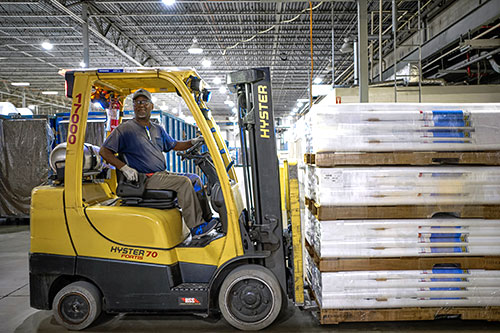
By upskilling its workforce, a company can improve its overall productivity, while positively impacting employee satisfaction and retention.
Technology’s Influence on Workforce Development
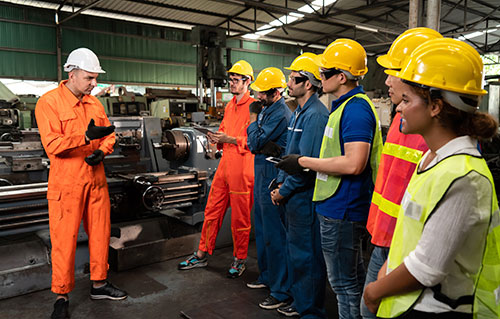
How can a company develop an analytics-focused talent strategy to meet the needs of AI, specialized skillsets, automation, and beyond?

How to Factor in Labor Needs While Selecting a Site for Expansion
With today’s low unemployment rates, companies must consider how they will fulfill their workforce needs early on in the site selection process.

Editor’s Note: Workforce Stats Paint a More Optimistic Picture, Although Challenges Remain
Industry is still being challenged by low unemployment and the e-commerce surge among other concerns but is continuing to spend on new facilities and “to think outside the box” when it comes to fulfilling workforce needs.
Think Outside the Box with Your Workforce Solutions
Today’s employees want to maintain their quality of life, including hybrid work, well-being support, and competitive pay; employers need to creatively meet their needs in order to keep them from jumping ship.

First Person: Labor Crunch in the Construction Industry
The construction industry continues to face a skilled labor shortage, with worker scarcity worsening since the beginning of the pandemic. With this in mind, Area Development’s staff editor Lisa Bastian asked Joseph Natarelli, Marcum’s National Construction Leader, to share his perspective on this issue.
Responding to the New Reality: Robots Vs. Humans
As companies weigh the benefits and challenges of increasing automation, local leaders must also evolve their incentives programs.