
Site Selection Factors / Strategy

Recent Features
In Focus: Ohio Builds for Aerospace Scale
A concentration of federal assets, manufacturing capacity and workforce investment is changing the calculus for aerospace site selection.
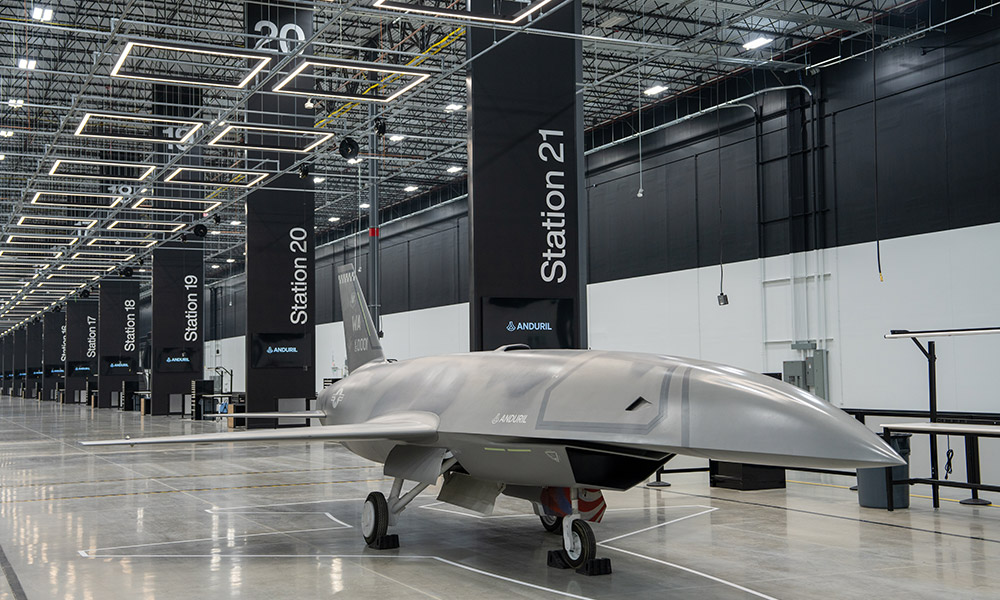
How Aerospace and Defense Site Selection Criteria Are Evolving
A historic defense manufacturing buildup is rewriting the rules of site selection, as labor analytics, power capacity and competitive intelligence push companies beyond the industry’s traditional markets.

Contributed Content
Ohio’s 15-Year Bet on Speed and Infrastructure
With surging demand, business-friendly legislation and billions in investment, Ohio is building the energy infrastructure that factories, data centers and advanced manufacturers need to grow.
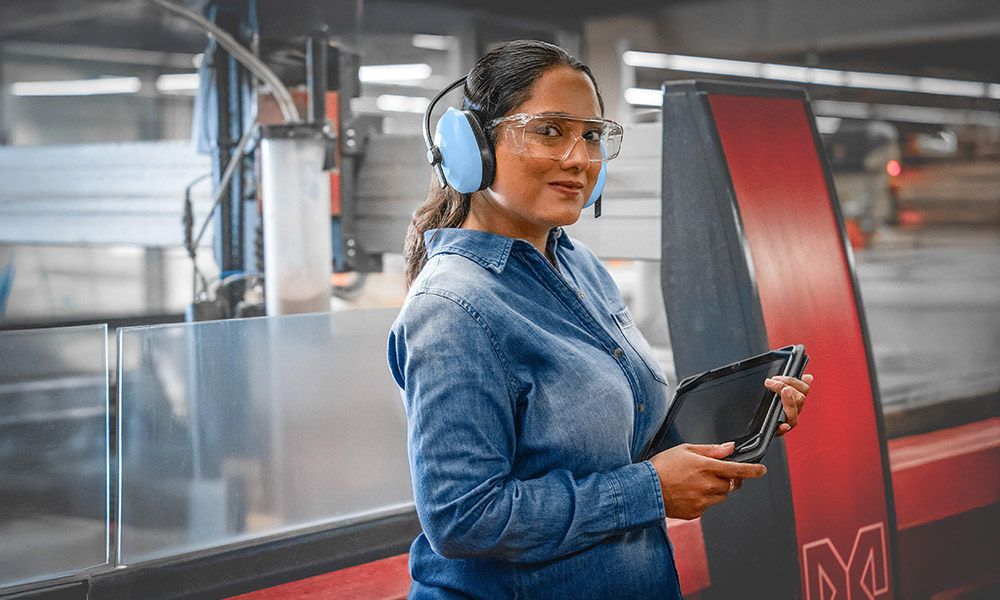
Top States for Doing Business in 2026: Where Competitive Advantage Becomes Project Certainty
The strongest states are doing more than assembling attractive business fundamentals. They are connecting talent, executable sites, utility capacity, government responsiveness and operating economics into a credible path from site search to operation.
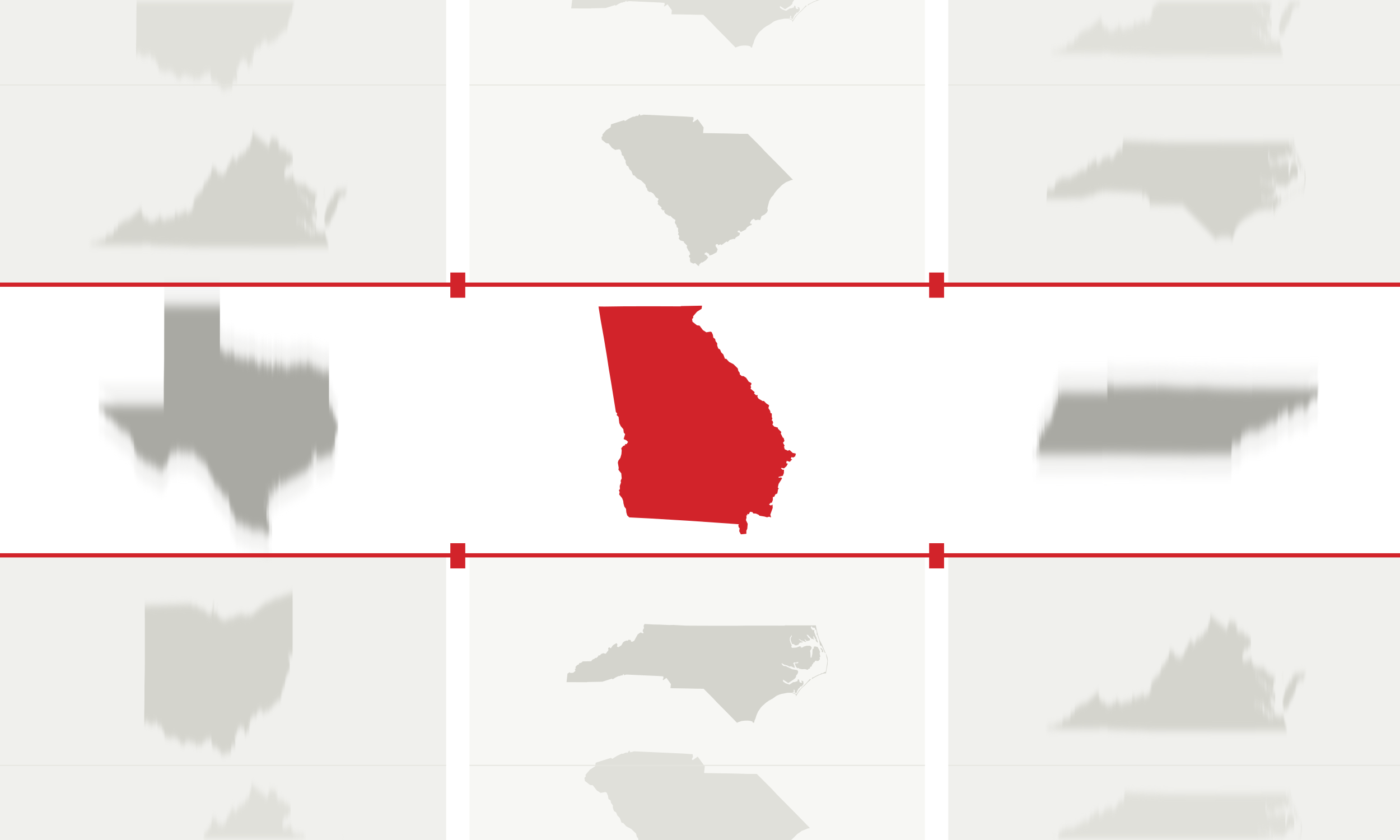
The Decision Was Already Made
By the time a site selector contacts a community or issues an RFP, the most consequential choices in a location process have already been made. Understanding what happened upstream — and when — changes how corporate real estate teams should structure their own decision-making.

Ready to Show: Five Things Every EDO Should Be Able to Answer Right Now
The communities winning projects aren’t necessarily those with the best assets. They’re the ones that know exactly what they can deliver — and can prove it quickly.

In Focus: The Cleared Personnel Challenge
In defense-related site selection, access to workers who already hold security clearances can narrow the location search before incentives or real estate enter the discussion.
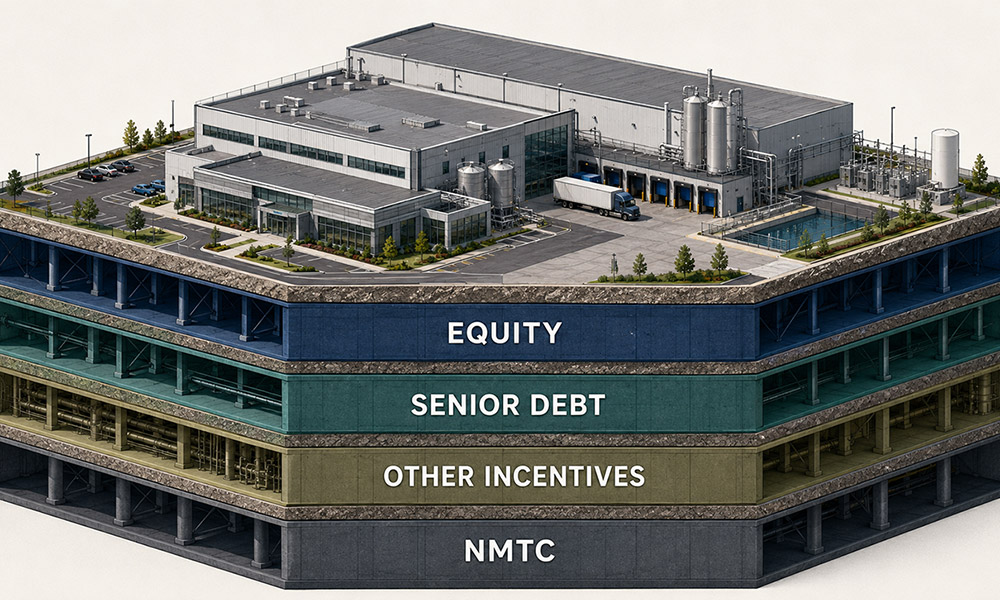
New Markets Tax Credits Are Now a Permanent Part of the Deal Stack
Permanent authorization has removed a major source of uncertainty from the federal financing program.
Space and Defense Are Becoming One Industrial Ecosystem
As launch, satellite and defense engineering increasingly draw on the same technology, talent and supply chains, communities built around one industry may already have what the other is looking for.

Site Constraints That Money Alone Can’t Solve
Engineering risks don't always show up in project budgets. The biggest threats to schedule are often the approvals, easements and utility commitments that money alone can't accelerate.
Industrial Location Decisions Follow the Freight
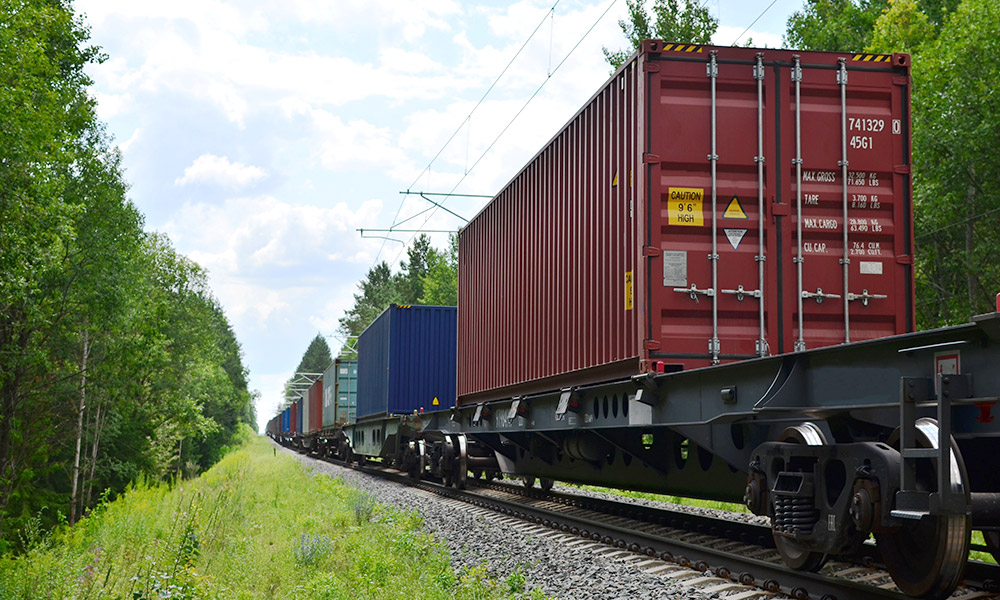
Transportation costs, shifting trade routes and supply chain risk are changing how companies evaluate industrial locations.
Alabama Thinks the Next Competitive Advantage Is Government Itself
Alabama has reorganized workforce development around a simple goal: make government easier for employers to navigate.

Last Word: Data Centers and the Infrastructure of the Intelligence Revolution
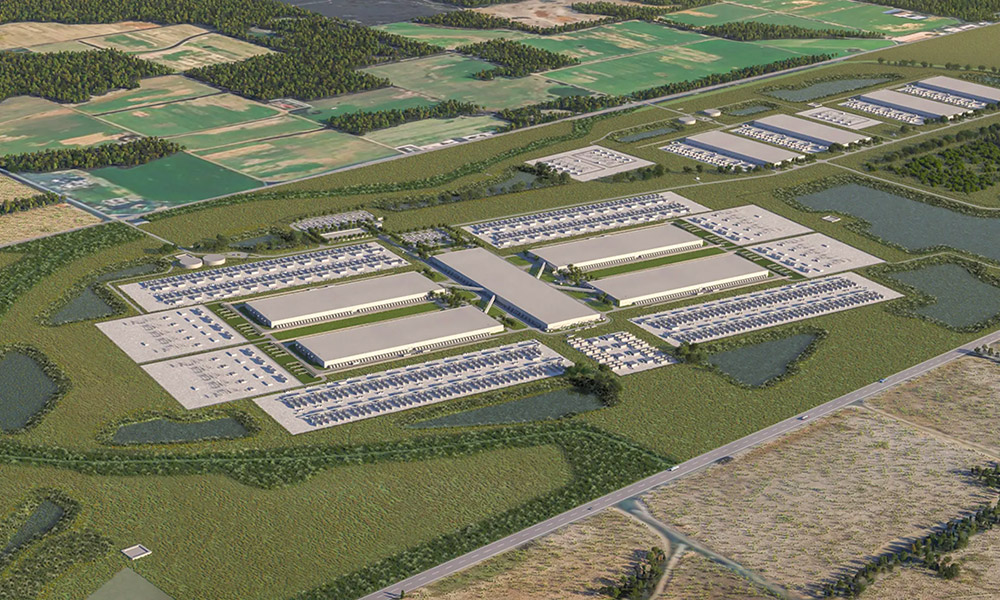
Meta’s Louisiana project illustrates both the legitimate concerns surrounding large-scale data centers and the potentially transformative rewards for communities prepared to accommodate them.
Why Great Sites Get Eliminated: The Critical Role of Information Presentation in Site Selection
Strong locations can fall out of contention when communities submit information that is difficult to interpret, compare or verify.

Twenty-Four Hours to Save Boeing
A tropical storm, a former phosphate mine and one unforgettable phone call helped shape one of the most consequential aerospace investments in South Carolina history.
Project Counts Are Falling. Why That's Not Bad News for Economic Developers
Activity is down from its post-COVID peak, average investment is up, and the competition for major projects has gone global. Understanding what those trends mean for your community's strategy is more important than chasing the next announcement.

Why Traditional Migration Data Is Misleading Corporate Real Estate Leaders
Headline migration statistics obscure the movements that matter most. Looking at specialized talent flows reveals a different picture of New York's competitive position—and offers a better framework for location strategy.

Where Construction Investment Goes, Economic Growth Follows
Understanding the construction industry’s multiplier effect — and the workforce infrastructure behind it — can sharpen site selection and economic development decisions.
Beyond the Launch Pad: Why Huntsville and Colorado Springs Are Winning Commercial Space Investment
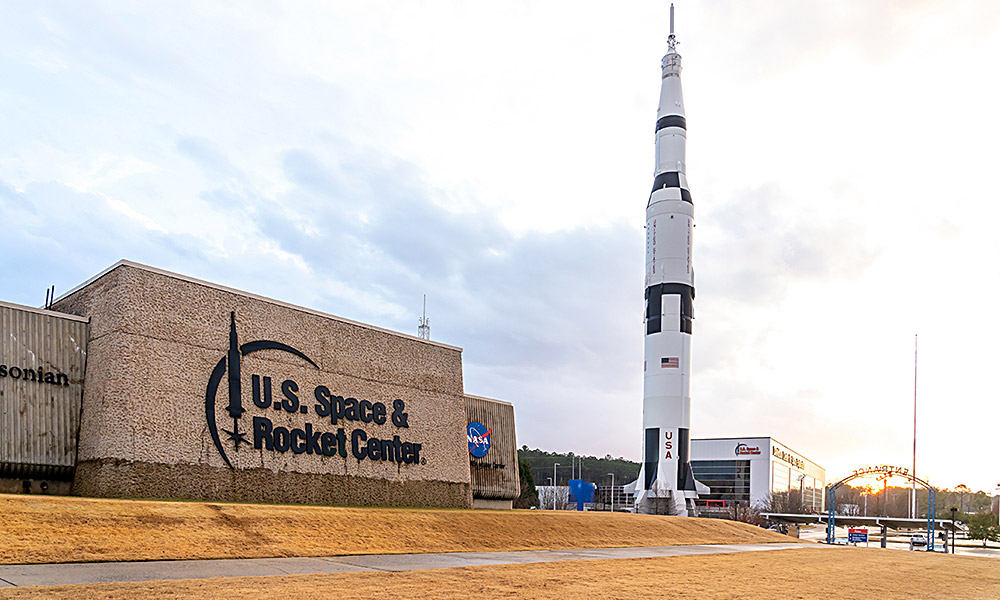
Legacy aerospace assets are becoming the foundation of tomorrow's commercial space economy
Companies Can Plan for Tariffs. They Can’t Plan for Uncertainty
International interest in the U.S. remains strong, but shifting trade rules are delaying commitments and giving prepared communities time to improve their position.

What Site Selectors Discuss After the Site Visit Ends
The factors that decide close location contests rarely appear in a scorecard. They happen in the debrief conversation after the site visit ends.

The RFI Is No Longer the Starting Line
AI has moved the front end of site selection upstream by weeks — and the communities you evaluate are being scored before you contact them. Understanding what that pre-screening process surfaces changes how corporate real estate teams should think about their own location process.

Why Relationships Still Win Projects in Site Selection
Economic development is often described as a data-driven process. RFIs are issued. Responses are scored. Sites are ranked. Incentives are compared. A winner emerges.

Reading the Signals Most Companies Miss During Site Selection
The competitive intelligence that shapes location decisions is often available to your consulting team but rarely makes it to the client. Understanding what's being held back, and why, changes how you manage the relationship.

What Economic Developers Can Learn From the World's Best Restaurant
Exceptional project experiences rarely happen by accident. The communities that stand out build systems that empower employees to create memorable moments when they matter most.

The Primary Problem
Now more than ever before with projects, local economic development teams are asking consultants to wait until after the election. That is a sentence that would have been unthinkable a decade ago. Here is what it means for how the job gets done.

What's Driving Site Decisions Right Now: Gold Shovel, Deal Killers, and the Korean Investment Wave
Four conversations from SelectUSA and the field reveal what’s driving investment now — from Mississippi’s execution model and workforce pipelines to project delays and a surge in Korean manufacturing interest across the Southeast.
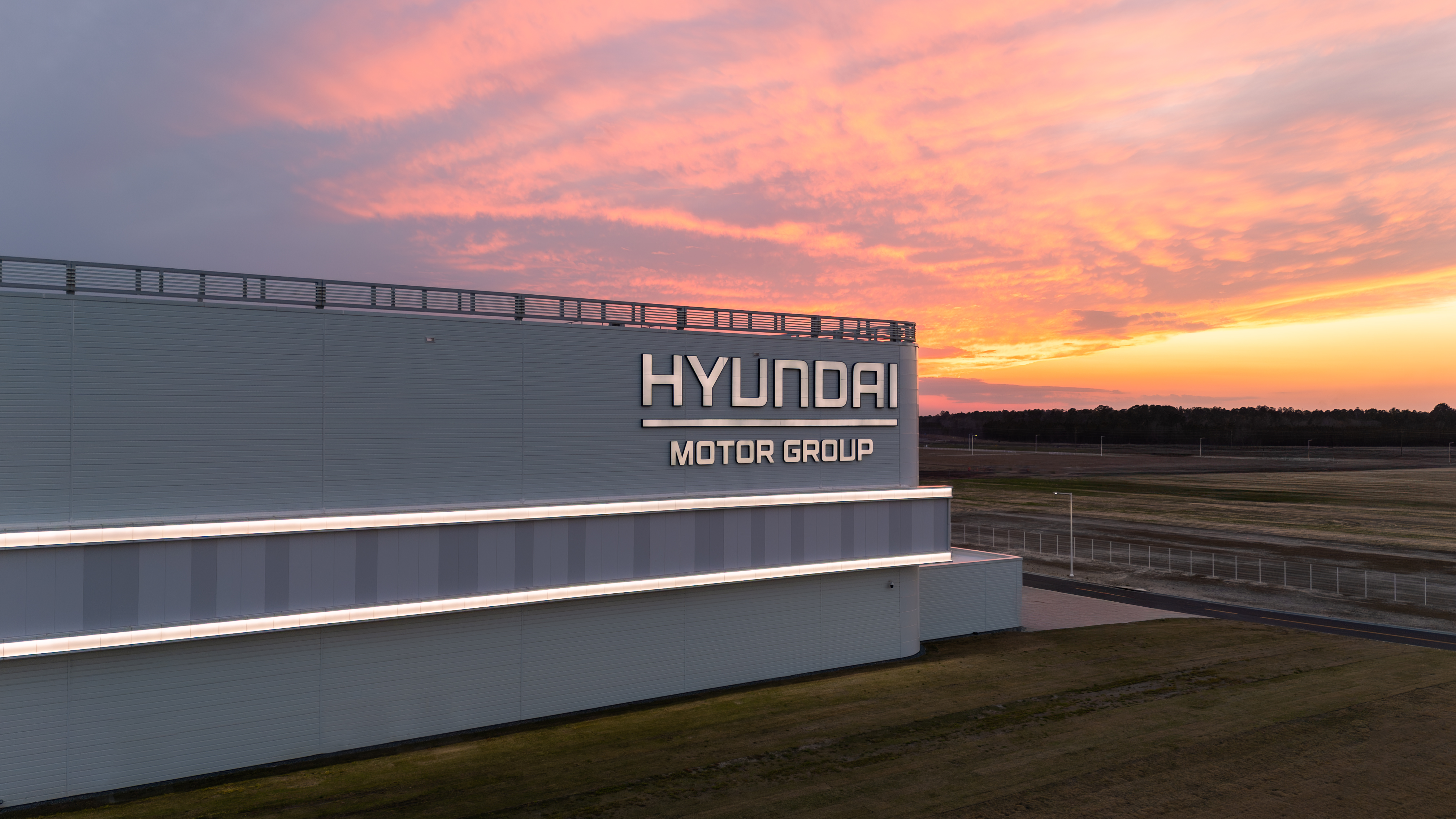
In Focus: The Cost Stack Is Inverted
Transportation represents 45 to 75 percent of operational expense for most industrial and distribution operations. Real estate by comparison, is only between 5 – 15%, a rounding error for some organizations. The implications for how location decisions should be structured — and where cost optimization effort should be focused — are significant and widely ignored.
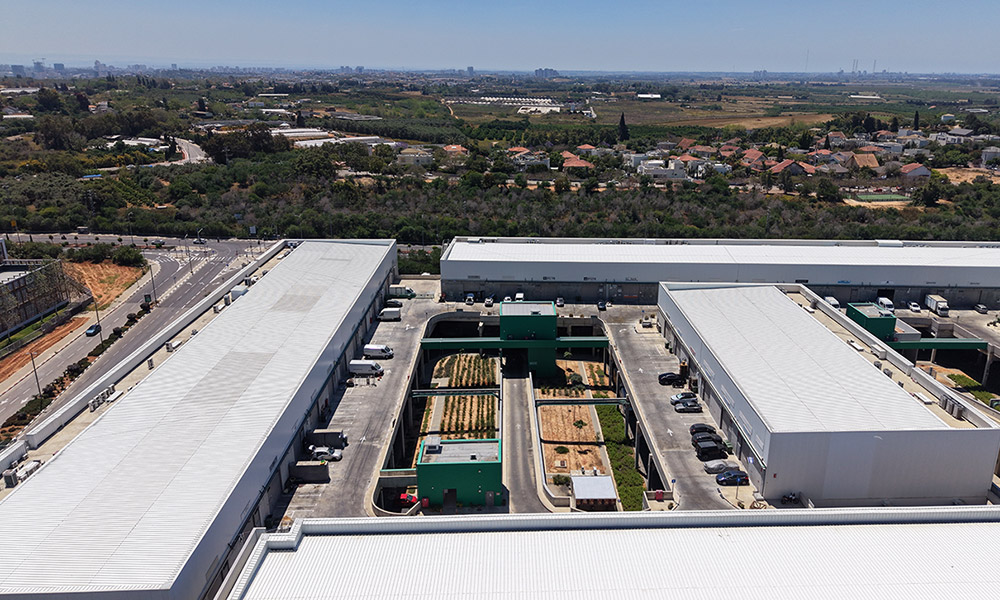
The Shifting Landscape of Location Strategy
Five surging forces reshaping where — and how — companies grow.

2026 Outlook: Five Logistics Trends Shaping 2027 Site Decisions
As supply chains evolve beyond pure efficiency, companies are rethinking where they build, store, and move products. The result is a new generation of logistics decisions centered on resilience, flexibility, and long-term performance.

The 20-Year Test: Will This Site Still Work in 2045?
Why long-term resilience—across climate, supply chains, and technology—is now part of the site selection decision.

Workforce Still Matters—But It's No Longer the First Filter
Why labor hasn't disappeared from site selection—but is now competing with power, land, and execution risk.
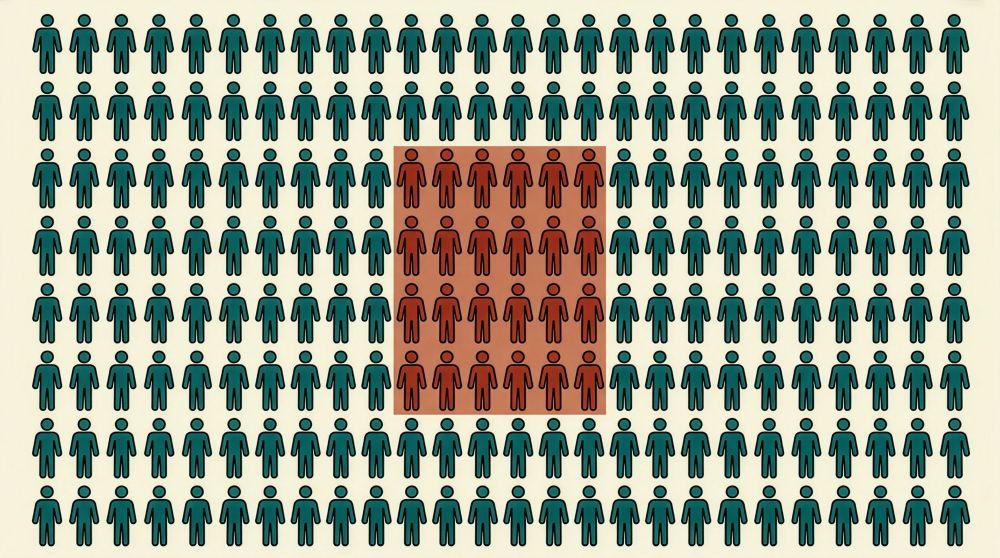
Incentives Don't Fix Execution Risk
Why tax breaks and grants still matter—but can't compensate for weak sites, limited power, or delivery uncertainty.

Power Is the New Gatekeeper in Manufacturing Site Selection
Why infrastructure readiness and utility capacity now determine whether a project moves forward—or stalls before it begins.

Why America's Largest Companies Are Investing in Skilled Trades
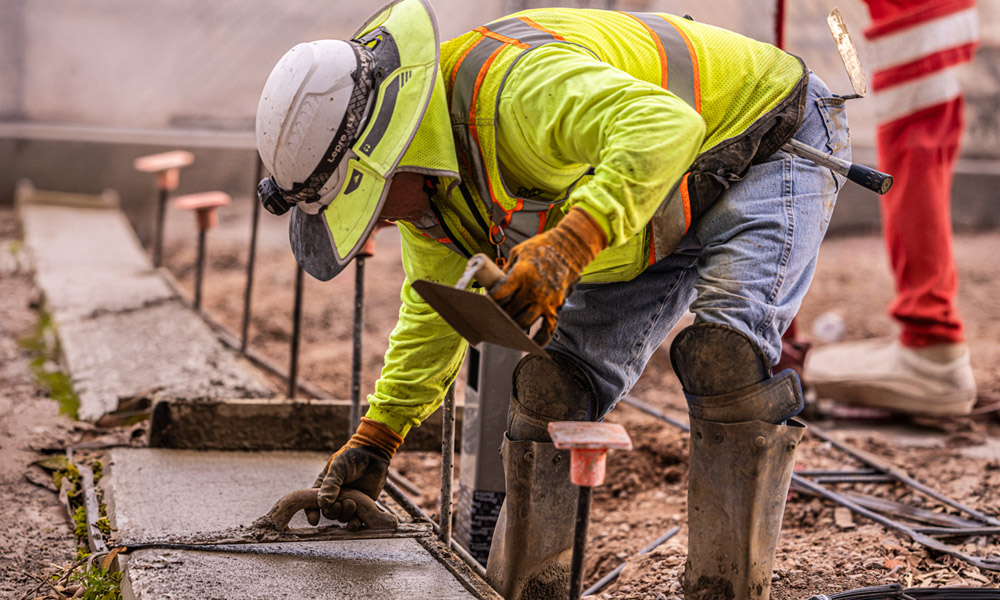
The biggest workforce challenge facing AI, advanced manufacturing and infrastructure projects isn't operating new facilities—it's finding enough skilled workers to build them.

Geopolitics Is Now a Site Selection Variable
Why trade policy, tariffs, and global instability are reshaping where manufacturing projects land—and whether they move forward at all.