
Portfolio Management / CRE


Recent Features
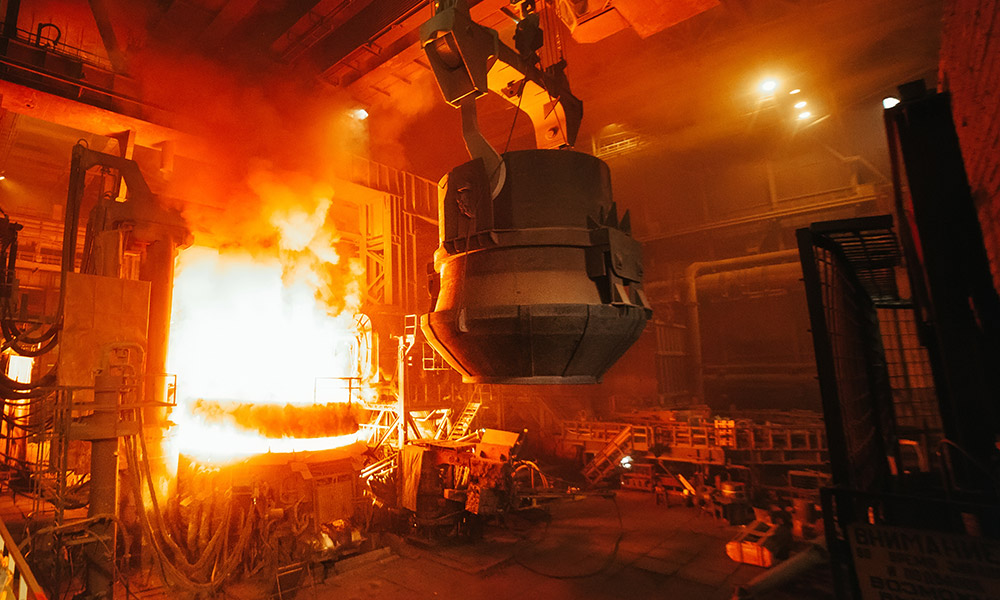
Site Constraints That Money Alone Can’t Solve
Engineering risks don't always show up in project budgets. The biggest threats to schedule are often the approvals, easements and utility commitments that money alone can't accelerate.
Why Traditional Migration Data Is Misleading Corporate Real Estate Leaders
Headline migration statistics obscure the movements that matter most. Looking at specialized talent flows reveals a different picture of New York's competitive position—and offers a better framework for location strategy.

Where Construction Investment Goes, Economic Growth Follows
Understanding the construction industry’s multiplier effect — and the workforce infrastructure behind it — can sharpen site selection and economic development decisions.
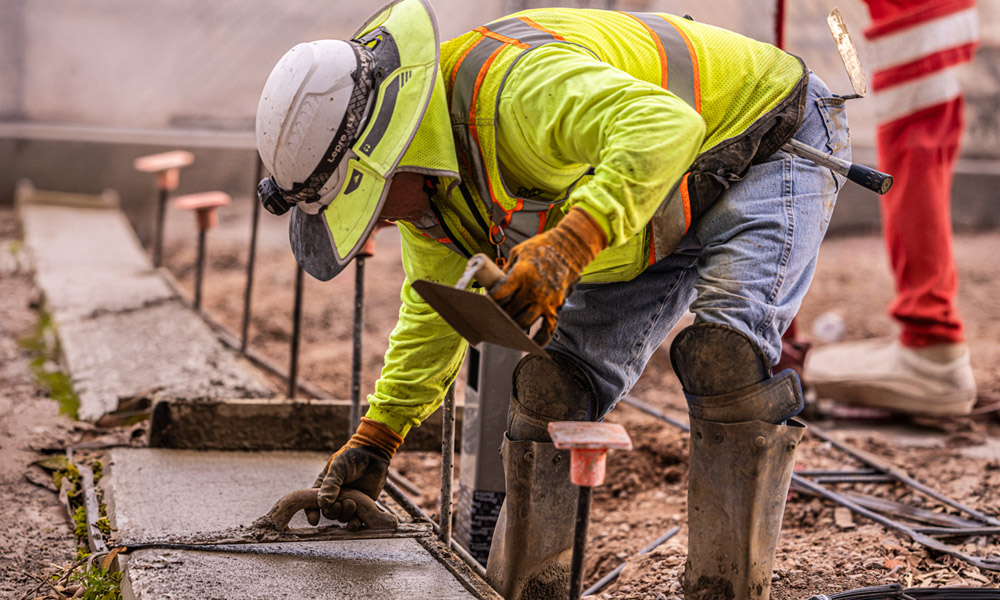
Beyond the Launch Pad: Why Huntsville and Colorado Springs Are Winning Commercial Space Investment
Legacy aerospace assets are becoming the foundation of tomorrow's commercial space economy

The RFI Is No Longer the Starting Line
AI has moved the front end of site selection upstream by weeks — and the communities you evaluate are being scored before you contact them. Understanding what that pre-screening process surfaces changes how corporate real estate teams should think about their own location process.

Reading the Signals Most Companies Miss During Site Selection
The competitive intelligence that shapes location decisions is often available to your consulting team but rarely makes it to the client. Understanding what's being held back, and why, changes how you manage the relationship.

Why Relationships Still Win Projects in Site Selection
Economic development is often described as a data-driven process. RFIs are issued. Responses are scored. Sites are ranked. Incentives are compared. A winner emerges.

What Economic Developers Can Learn From the World's Best Restaurant
Exceptional project experiences rarely happen by accident. The communities that stand out build systems that empower employees to create memorable moments when they matter most.

The Primary Problem
Now more than ever before with projects, local economic development teams are asking consultants to wait until after the election. That is a sentence that would have been unthinkable a decade ago. Here is what it means for how the job gets done.

The Shifting Landscape of Location Strategy
Five surging forces reshaping where — and how — companies grow.

Avoid These Red Flags, Deal Killers, and Blunders in Site Selection
Industry experts from site selection, construction, law, and supply chain consulting weigh in on what's derailing projects in 2026 — and what it takes to keep deals alive.
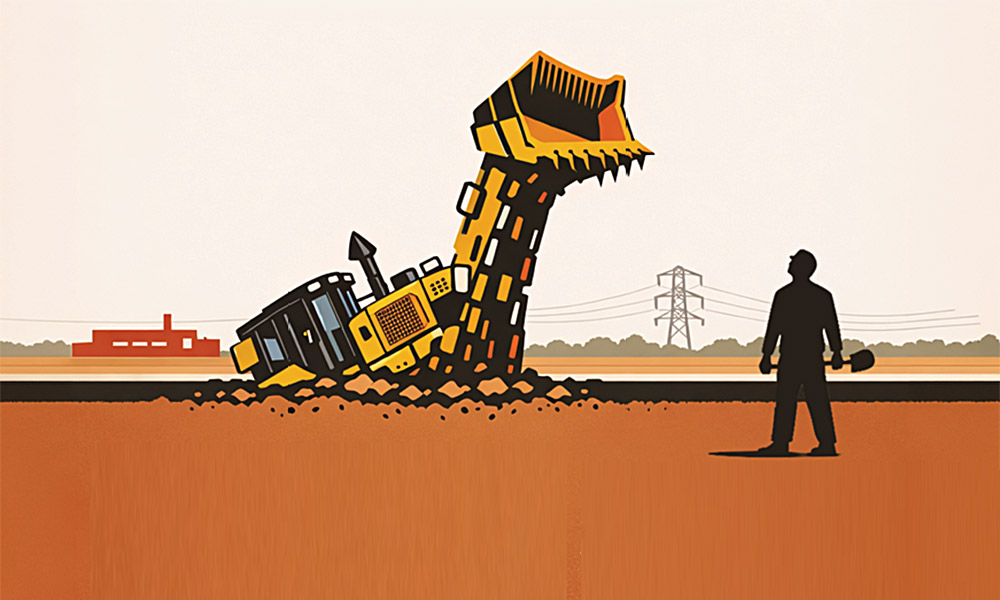
Buildings Are Becoming Part of the Competitive Stack
AI is changing how facilities are operated, maintained, and optimized—turning buildings from fixed assets into active participants in business performance.

How Tariffs Are Rewiring Logistics
Industrial real estate is entering a new phase as tariff policy, slowing e-commerce growth, and changing trade routes reshape where demand is strongest — and where vacancy is rising fastest.

The Missing Middle: Pre-Commercial Life Science Companies and the Incentives Gap Impacting Future Clusters
States chasing life sciences growth may be overlooking the companies that drive long-term innovation.

2026 Outlook: Biomanufacturing Isn’t Slowing — It’s Getting More Selective
What looks like a slowdown in biomanufacturing is better understood as a filter. Demand remains, but companies are moving more carefully — aligning new projects with production needs, regulatory realities, infrastructure capacity, and long-term.
2026 Outlook: The Warehouse Market Isn’t Growing — It’s Sorting Itself
With demand stabilizing, industrial occupiers are shifting from rapid expansion to disciplined execution. The result is fewer speculative projects, more build-to-suit activity, and a growing premium on facilities that deliver efficiency, automation capacity, and reliable access to labor and customers.
2026 Outlook: The Corporate HQ Is Getting Smaller — and a Lot More Demanding
With hybrid work now a constant, corporate real estate leaders are shifting from “wait-and-see” to execution. The result: less space, higher cost per square foot, and a growing premium on offices that deliver measurable value in collaboration, culture and talent outcomes.
What Does “Site Readiness” Really Mean?
A roundup of programs—and the consultants who know what they’re worth.

When Property Law Becomes a Location Constraint
How ownership restrictions are complicating industrial site selection.

Industries of the Future Aren’t Speculative Anymore
How federal capital, private investment, and place are quietly reshaping U.S. manufacturing.

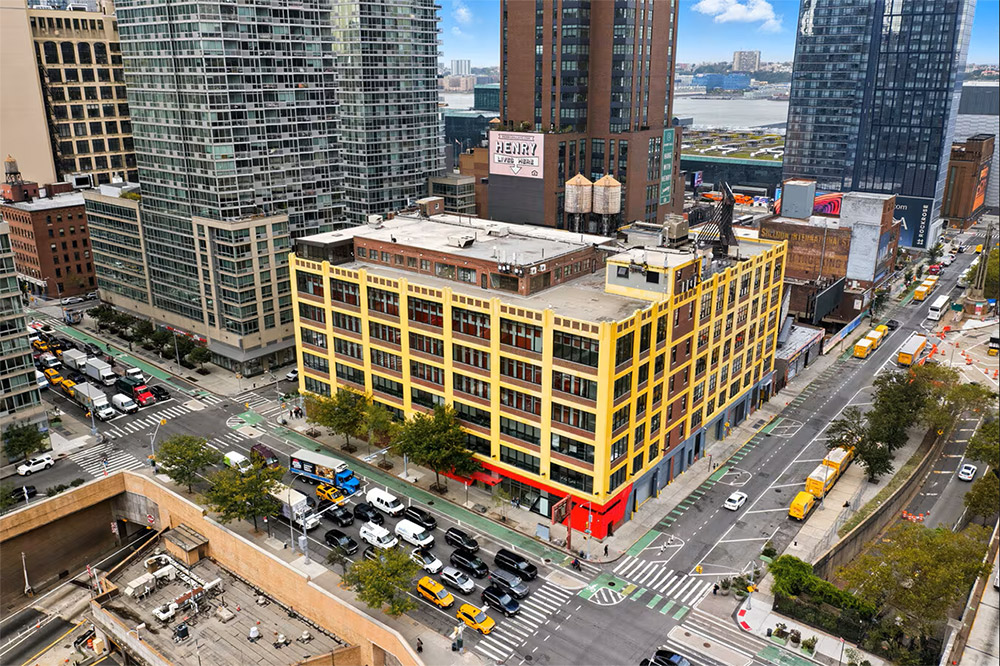
Manhattan’s Old Ramps, New Logistics
In an undersupplied NYC market, a historic multistory facility shows why what seemed obsolete is now indispensable for last-mile distribution.
Navigating Generational Differences in Location and Workplace Strategy
Workforce demographics are reshaping how and where companies design and locate their offices.

The Site Selection Corporate Checklist
Site selection doesn’t start with “where” — it starts with alignment, clarity and structure.

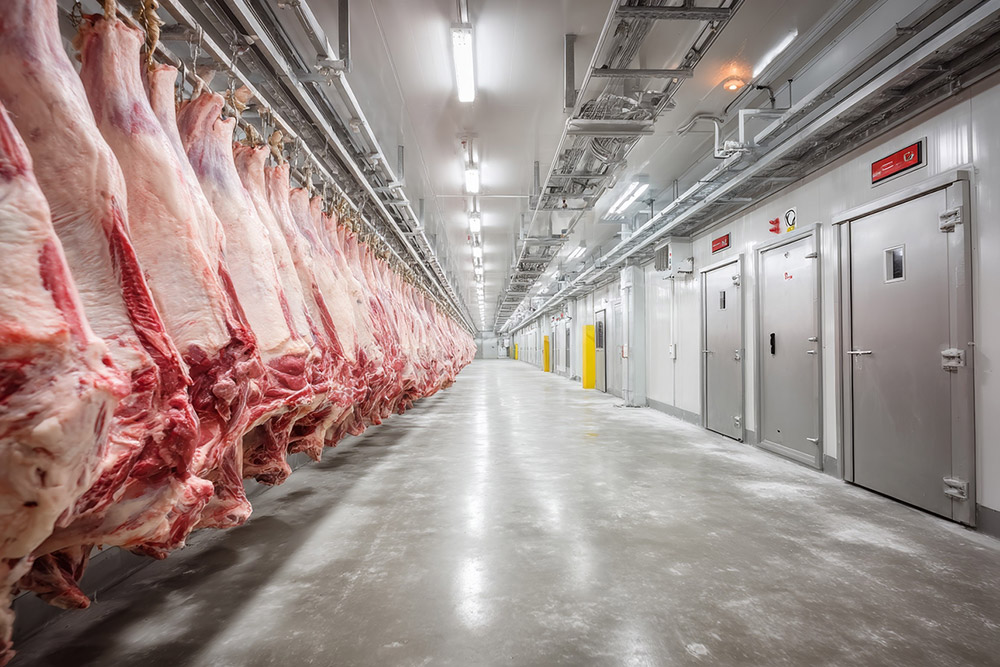
Investors Seek Shelter in Food-Focused Real Estate
Cold storage and grocery-anchored retail are proving to be safe havens as consumer behavior shifts and CRE volatility grows.
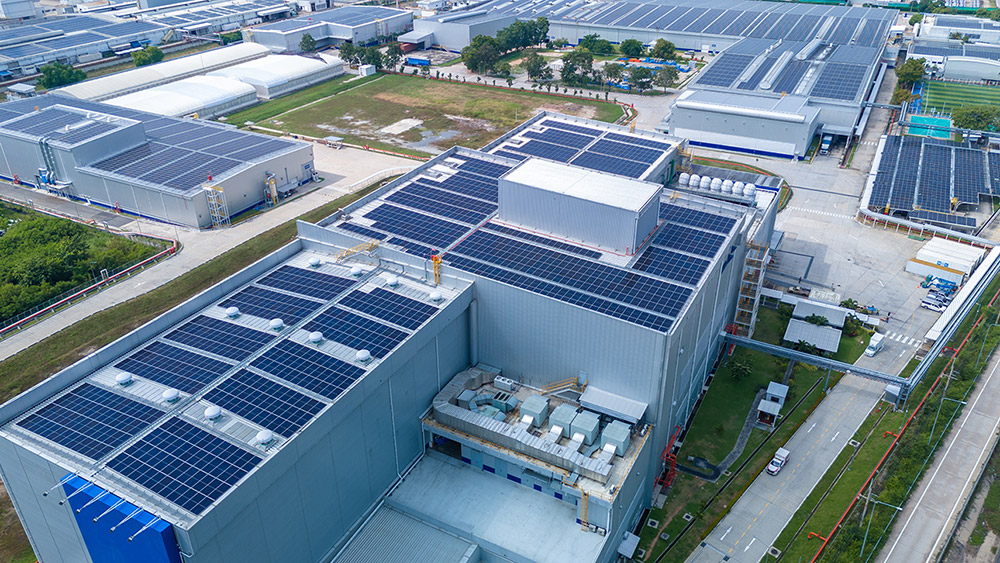
Supply Chain Whiplash Reshapes CRE
Power, ports, and unpredictability are pushing manufacturers to rethink their entire real estate approach.
A Zebra in the Room
A surprising encounter reveals why environmental due diligence isn’t just paperwork — it’s protection.

First Person: Meaghan Elwell, Division President for JLL’s Industrials
Meaghan Elwell serves as the President of the Industrials Division at JLL Work Dynamics, where she oversees global outsourcing relationships across various sectors, including Manufacturing, Aviation, Automotive, Logistics, Oil & Gas, and Utilities. With over 20 years at JLL, she has extensive experience in managing corporate relationships and large real estate portfolios.
Get Your Mega Site ‘Project Ready’
Preparing a mega site requires more than acreage and ambition—it means aligning zoning, utilities, and documentation to reduce investor risk, compress timelines, and compete for transformative manufacturing and industrial projects.

Less Is More for Energy Industry Offices
Oil and gas industry consolidation will likely lead to increased demands for higher-quality offices in top locations.

Large-Scale Projects Face Financing Challenges
Executives have been forced to find new ways to finance projects.

Blueprint for Success: Unveiling the Secrets of an Effective Design Decision-Making Process
Discover the key steps to making informed, timely decisions in construction projects, ensuring cost, schedule, and quality are managed effectively from start to finish.

Public-Private Partnerships Incentivize Industrial Development
Communities that embrace creative solutions and collaborative approaches are well-positioned to thrive and attract jobs and investment from the private sector.

Industrial Update: Did the Market Overshoot the Equilibrium?
Although the economic slowdown has some wondering about the health of the industrial real estate sector, the need for shorter shipping times will spur companies to continue to look for space around the country.
Strategies to Overcome Intensifying Industrial Real Estate Challenges
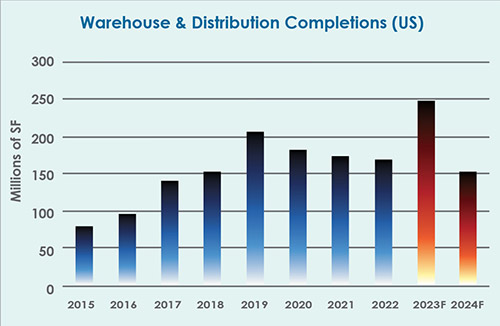
Companies facing constraints in the industrial real estate market should build extra time into their site searches and widen their geographic areas of search.
Using Robust Project Controls to Enhance Project Management
Utilizing big data and project controls such as BIM or Digital Twins (DT) will help to mitigate any challenges and bring a project to completion on time and within budget.
In Focus: “Golden Age” of Spec Development
The e-commerce revolution and its related supply chain challenges have created a surge in spec development of industrial and logistics space.