
U.S. Cleantech Industry Grows, Green Jobs Expand into New Markets
Manufacturers in the U.S. clean-energy industry, which is expected to grow rapidly, are looking for new markets, low costs, and top talent. Which locations can satisfy those needs?

Data and call center operators are savvy about information and communication technology, but manufacturers should also make it a priority.

While nearly every business sector has an eye on energy availability, it isn't the top consideration for location choices.

Government measures are ensuring that companies' reduce their carbon footprint, while still encouraging their growth and international competitiveness.
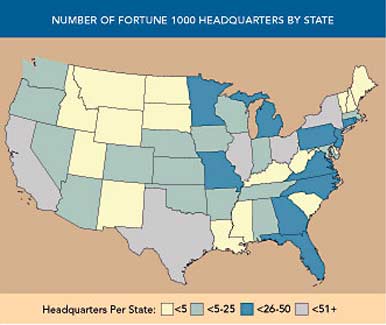
Choosing a new headquarters location can be a daunting and expensive process. But following certain protocol can ensure success.


Structured collaboration allows companies to streamline project management operations and maximize profits.
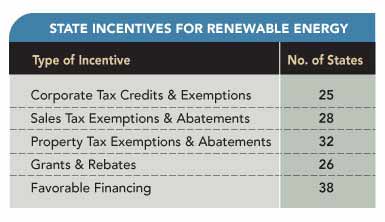

Federal and state incentives from the U.S. Department of Energy, American Recovery and Reinvestment Act, and Section 1603 cash grants are propelling wind energy projects forward.
Google Fiber created a feeding frenzy earlier this year as communities competed for network access. Robust network capabilities could prove an attractive lure to business.


Economic downturn and health reform uncertainties can't keep the biotech, medical devices, and life sciences sectors down.
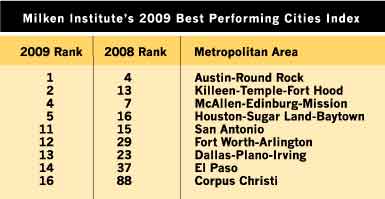

Texas has more jobs than before the recession and the lowest unemployment rate among the 10 largest states as it continues to diversify into high-growth, knowledge-based industries.


The South is staying financially fit with investments and innovations in logistics, automotives, energy, biotech and renewables.

By streamlining government bureaucracy, introducing incentives for new and existing business, taking "green" initiatives and adding large-scale infrastructure projects, California spurs economic development.

Airlines and the U.S. Military have tested and rolled out new aircraft design and biofuel technologies in the name increased efficiency and decreased dependence on fossil fuels.
The historic healthcare reform legislation signed into law on March 23, 2010 is expected to have an immediate negative financial impact on numerous large corporations.
There are five reasons your facility needs an energy efficiency system and high cost is no longer a hurdle thanks to technological advancements.

This issue of Area Development focuses on all aspects of energy, including the "The Promise of the U.S. Cleantech Industry." In our cover story this month, the authors compare growth of the cleantech industry to growth of the Internet, i.e., fast and furious.
A Johnson Controls study examines how Gen Y workers will be a catalyst for innovation and changes to today's business environment and to business itself.
To navigate the difficult economic environment of 2010, businesses need to rethink the way they use real estate.
Intermodal transportation is helping industrial companies pull out of the recession by speeding their inventory replenishments.

While the global recession has dampened business for many industries, logistics and warehousing has found growth in adaptation.

Industry experts from site selection, construction, law, and supply chain consulting weigh in on what's derailing projects in 2026 — and what it takes to keep deals alive.
Top States for Business
Annual Econdev Awards
Corporate Exec Survey Results
Leading Metro Locations