Doing Business 2010: Reforming through Difficult Times
9-16-2009
Doing Business 2010: Reforming through Difficult Times recorded 287 reforms between June 2008 and May 2009, up 20 percent from the previous year. Reformers around the world focused on making it easier to start and operate businesses, strengthening property rights, and improving commercial dispute resolution and bankruptcy procedures.
"Business regulation can affect how well small and midsize firms cope with the crisis and seize opportunities when recovery begins," said Penelope Brook, Acting Vice President for Financial and Private Sector Development for the World Bank Group. "The quality of business regulation helps determine how easy it is to reorganize troubled firms to help them survive difficult times, to rebuild when demand rebounds, and to get new businesses started."
Singapore, a consistent reformer, is the top-ranked economy on the ease of doing business for the fourth year in a row, with New Zealand as runner-up. But most of the action occurred in developing economies. Two-thirds of the reforms recorded in the report were in low- and lower-middle-income economies. For the first time a Sub-Saharan African economy, Rwanda, is the world's top reformer of business regulation, making it easier to start businesses, register property, protect investors, trade across borders, and access credit.
Reformers were particularly active in Eastern Europe and Central Asia and the Middle East and North Africa. This year, there were 4 new reformers among the top 10: Liberia, the United Arab Emirates, Tajikistan and Moldova. Others include Rwanda, Egypt, Belarus, the former Yugoslav Republic of Macedonia, the Kyrgyz Republic, and Colombia. Colombia and Egypt have been top global reformers in four of the past seven years.
Doing Business analyzes regulations that apply to an economy's businesses during their life cycles, including start-up and operations, trading across borders, paying taxes, and closing a business. Doing Business does not measure all aspects of the business environment that matter to firms and investors. For example, it does not measure security, macroeconomic stability, corruption, skill level, or the strength of financial systems.
Recent Project Announcements
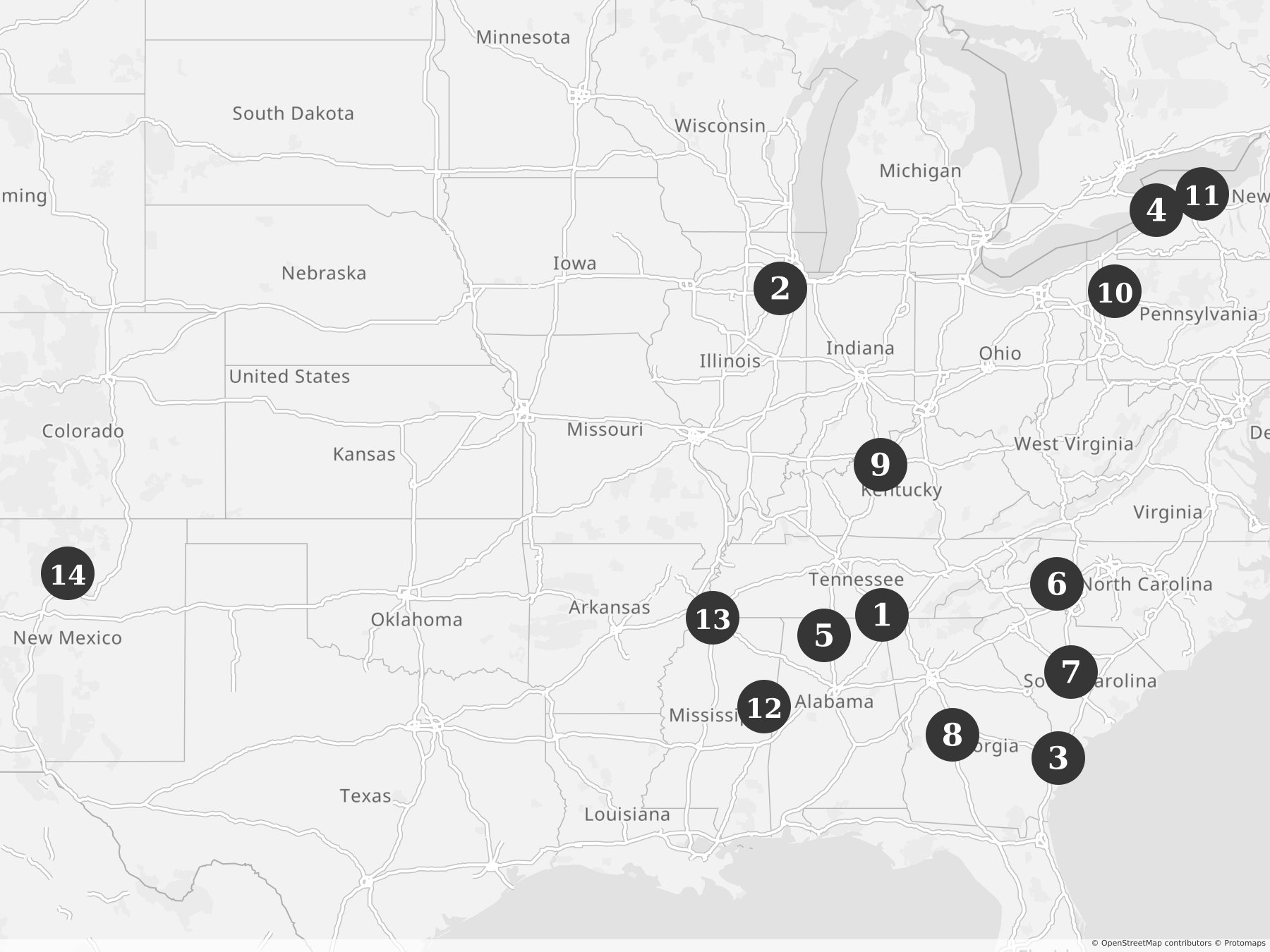
Valmont Industries Expands Jasper, Tennessee, Production Operations
10/25/2026
Hyundai Translead Expands Joliet, Illinois, Manufacturing Operations
10/25/2026
Mitsubishi Power America Expands Chatham County, Georgia, Operations
10/25/2026
Niagara Power Transformer Expands Buffalo, New York, Manufacturing Operations
10/25/2026
Nucor Expands Decatur, Alabama, Manufacturing Operations
10/24/2026
US Conec Plans Hickory, North Carolina, Manufacturing Operations
10/24/2026
Westinghouse Electric Company Expands Richland County, South Carolina, Advanced Nuclear Fuel Operations
10/24/2026
Blue Bird Corporation Expands Peach County, Georgia, Manufacturing Operations
10/24/2026
Silco Fire & Security Plans Bullitt County, Kentucky, Operations
10/24/2026
Conair Expands Franklin, Pennsylvania, Production Operations
10/23/2026
Phoenix Tailings Plans Rochester, New York, Rare Earth Mineral Separation Operations
10/22/2026
Barge Forest Products Expands Macon, Mississippi, Sawmill Operations
10/22/2026
ITT Goulds Pumps Plans Memphis, Tennessee, Manufacturing-Distribution Operations
10/22/2026
Discovery 2 Scale Plans Nambé Pueblo, New Mexico, Headquarters Operations
10/22/2026
Most Read
-
Top States for Doing Business in 2026: Where Competitive Advantage Becomes Project Certainty
Q3 2026
-
Why Great Sites Get Eliminated: The Critical Role of Information Presentation in Site Selection
Q3 2026
-
What Site Selectors Discuss After the Site Visit Ends
Q3 2026
-
2025’s Top States for Business: How the Winners Are Outpacing the Rest
Q3 2025
-
Space and Defense Are Becoming One Industrial Ecosystem
Q3 2026
-
Industrial Location Decisions Follow the Freight
Q3 2026
-
Economic Developer Role Shifting from Deal-Making to Systems Stewardship
Q1 2026