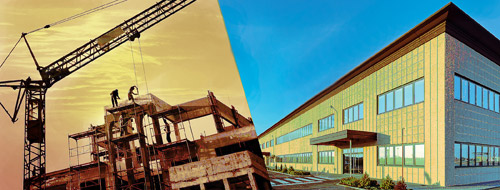
Due Diligence Concerns When Choosing Between an Existing Structure or Greenfield Construction
Acquiring an existing structure to house manufacturing operations can seem like a real time- and money-saver to companies. But is it really?
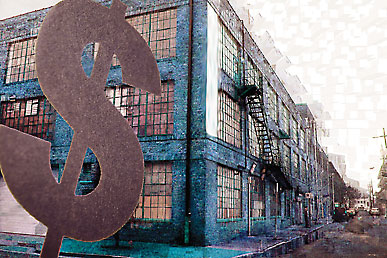
The benefits of investing in an enterprise zone may be substantial, but zone rules, commitments, and potential economic challenges must be clearly understood.
When evaluating efficiency, it’s important to look beyond a single piece of equipment, as the whole is greater than the sum of its parts.
In an increasingly competitive marketplace, companies need to be innovative and nimble in facing the last-mile, same-day delivery challenge head on.
A new generation of collaborative robots is increasing industrial efficiency and productivity while the increasing affordability of advanced robotics technology has the potential to quickly make smaller businesses more competitive. A key to unlocking that potential will be meeting the industry’s need for skilled labor to drive robotics-related research and commercialization.
Whether a utility project is driven by production capacity, energy efficiency, regulatory requirements, or environmental sustainability, its ultimate objective is to add value to the business.
Today’s manufacturers are staying ahead of the innovation curve by making their facilities even smarter than their products.
John Murphy, Sr. VP for International Policy at the U.S. Chamber of Commerce, recently explained to Area Development’s editor why trade agreements are important for the U.S. economy and discussed the negative consequences of a retreat on trade.
Advanced technologies and robotics are shaping the future of manufacturing making factories more efficient and productive than ever. However, because of the complexity of many of today’s processes, human workers are complemented — not replaced — by their robotic counterparts.
Whether you manage or own one building or 500, a proactive recovery plan can significantly limit business disruption and restore critical services as soon after a disaster as possible. There is no one-size-fits-all solution, but there are some best practices that can guide you in your planning...
Once a business has narrowed down its location choices, it must implement an environmental and safety strategy to address all stages of planning and compliance.
Environmental Site Assessments typically used to certify that a site is free of contamination from previous uses may leave companies vulnerable to unexpected additional costs for environmental remediation. Additional investigation and protection is merited at industrial sites.
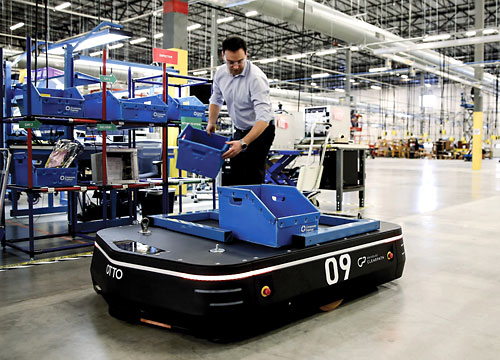
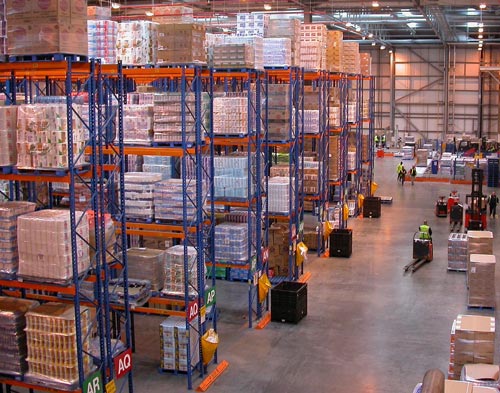
It doesn’t get as much media attention as self-driving cars and trucks, but automation has already arrived in the warehousing industry. And it soon could be much more commonplace.
Despite its many challenges, California — which ranks as the world’s sixth-largest economy — and its often overlooked Central Valley offer many opportunities for manufacturing and distribution investment.
Hornick advises and educates clients about 3D printing and the IP issues of this rapidly developing and potentially disruptive technology.
Receive quarterly issues of Area Development Magazine at no charge for qualified executives and consultants to industry.
Corporate Exec Survey Results
Leading Metro Locations
Top States for Business
Annual Econdev Awards