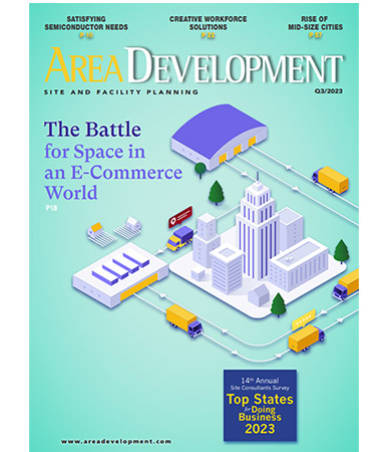

E-Commerce and the Struggle Against Space Challenges
In the age of online shopping, retail brand decision-makers must strike a balance between their immediate space requirements and long-term sustainability.
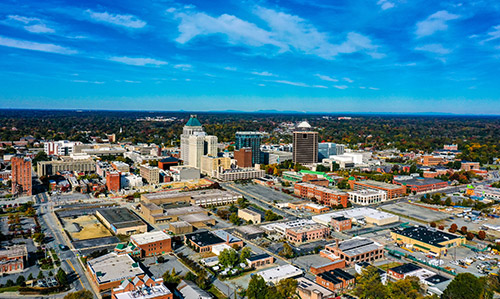
As company needs have evolved, many are gravitating to smaller urban areas that often provide them with a lower tax burden, affordable real estate, and development-ready sites.
Today’s employees want to maintain their quality of life, including hybrid work, well-being support, and competitive pay; employers need to creatively meet their needs in order to keep them from jumping ship.
Reducing emissions, developing sustainable solutions, and leveraging renewable energy are among the steps that manufacturers can take to change the trajectory of climate change.
Manufacturers should prioritize accuracy in their load schedule, as there’s a downside to both underestimating and overestimating load requirements.
The states considered the best locations for doing business according to an expert panel of location consultants are the highest performers in more than a dozen categories upon which companies make their site selection decisions.
Having a workforce with the right skills is an integral part of being a Top State for Doing Business — that’s why training programs are so important.
Industry is still being challenged by low unemployment and the e-commerce surge among other concerns but is continuing to spend on new facilities and “to think outside the box” when it comes to fulfilling workforce needs.
As the semiconductor industry announces plans to grow domestic production, it is facing a workforce shortage.
Labor unions and the offshore wind energy industry are working together to advance the transition to clean energy.
Here are three tips to help construction firms use joint ventures to meet demand without increasing risk.
Rare earth magnets are critical to keeping America’s economy strong and protecting our way of life. With this in mind, Area Development’s staff editor Lisa Bastian asked Tom Schneberger, CEO of USA Rare Earth, to share his perspective on this issue.
Its investments in infrastructure improvements and workforce development have helped Tennessee to continue to attract major new projects across industrial sectors.
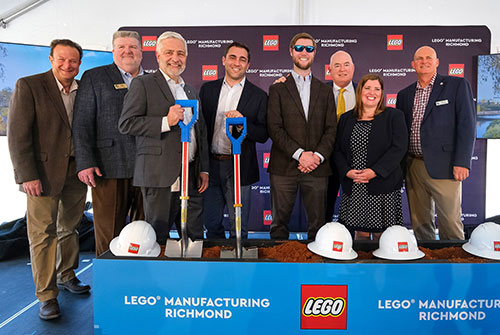
Greater Richmond, Virginia, has a long history of manufacturing success.
Proximity to existing automotive OEMs and suppliers already located in the southeastern U.S. is just one of the factors drawing new EV projects to the region.
Receive quarterly issues of Area Development Magazine at no charge for qualified executives and consultants to industry.
Corporate Exec Survey Results
Leading Metro Locations
Top States for Business
Annual Econdev Awards