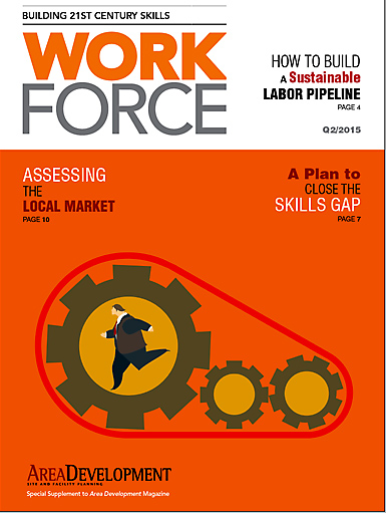
Building a Sustainable Labor Pipeline
More companies are thinking through the long-term goals of training a sustainable supply of labor, and maintaining a productive workforce as manufacturing technology continues to evolve.
Every labor market is unique. Evaluating a region’s labor suitability for a new or expanding operation should consider many factors beyond population size and unemployment rates. Understanding the interconnectivity of topics pertaining to competitive demand, pay practices, attrition, applicant flow/quality, geographic site positioning, union activity, benefit offerings, and training resources is important and will better inform a location commitment decision.
While U.S. manufacturing is experiencing a renaissance of sorts, employers are facing a new challenge — a shortage of qualified job applicants. The skills gap cannot be bridged overnight. We must align education, economic development, workforce, and business agendas to develop the talent necessary for success in a global economy.
National, regional, and corporate initiatives are helping to connect those leaving the military, who need careers, with U.S. employers, who need skilled workers.
Sustainable success in attracting and retaining corporate business investment requires excellence across a range of location factors, but chief among them is workforce.
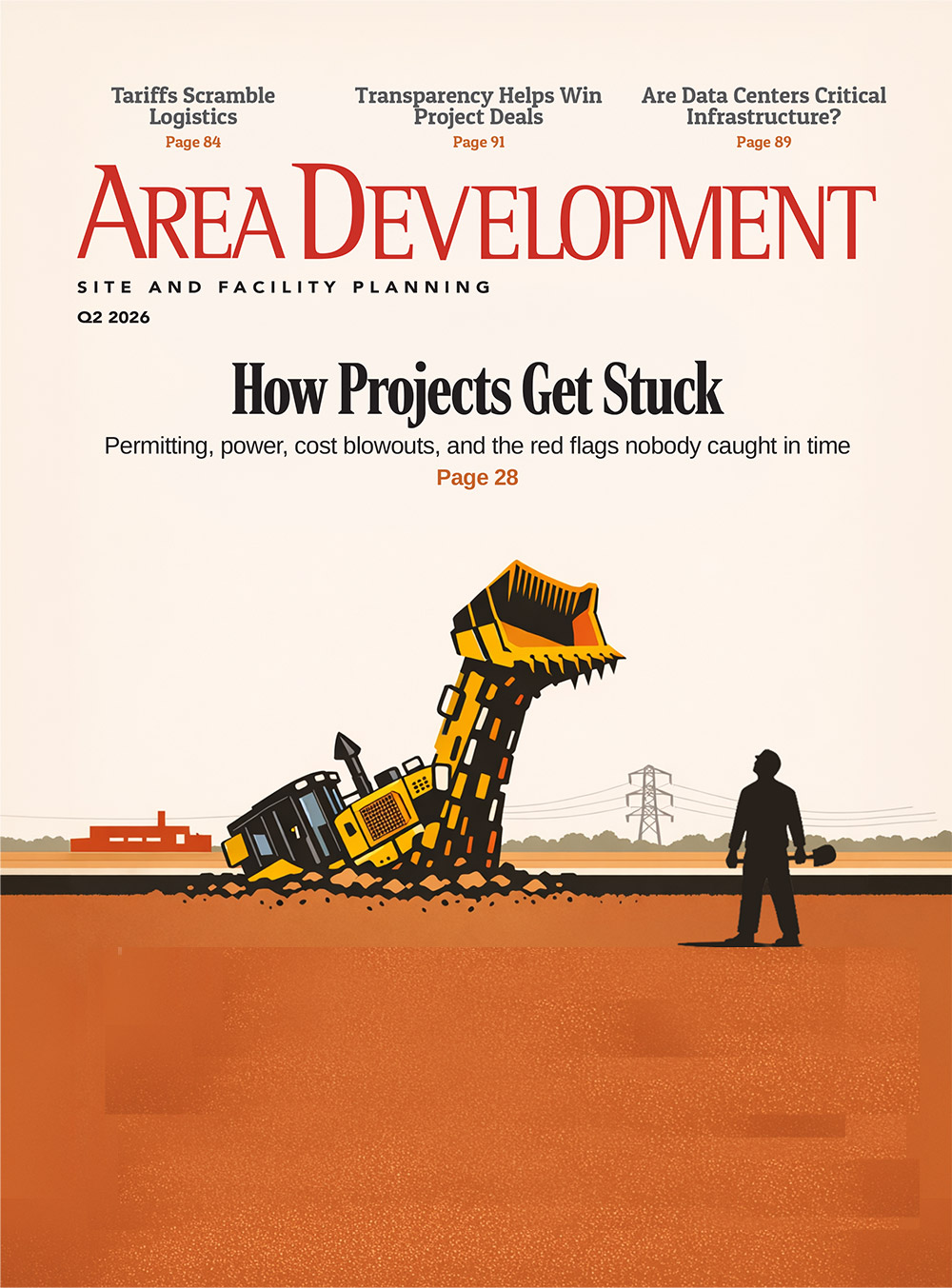
Receive quarterly issues of Area Development Magazine at no charge for qualified executives and consultants to industry.
Corporate Exec Survey Results
Leading Metro Locations
Top States for Business
Annual Econdev Awards