Electrification of Industrial Processes
Reducing the use of fossil fuels in industrial processes will help cut costs while reducing GHG emissions.
Q4 2023
Globally, industry (all of the companies involved in manufacturing and the production of physical goods) consumes more energy than any other sector: 149 million terajoules in 2017, according to a recent report from McKinsey. Relatively little of that energy consisted of electricity: about 20 percent. Most of the electricity consumed by industry is used to power equipment such as pumps, robotic arms, and conveyor belts, the report says. As the prices of renewable electricity and electric equipment continue to drop, industrial companies can capture cost-saving and GHG-emission-reduction opportunities by planning the electrification of their operations.
McKinsey projects that renewables could produce more than half of the world’s electricity by 2035, at lower prices than fossil-fuel generation. The resulting lowering of electricity prices — along with the falling cost of electric equipment and more stringent greenhouse-gas (GHG) emission regulation — is expected to boost consumption of electricity in sectors, such as passenger vehicles and space heating, where fossil fuels have long been the standard energy source.
The financial and environmental benefits for industrial companies of using electricity instead of fossil fuels in their processes are increasing. Generally, electrically driven equipment is only slightly more energy-efficient than the conventional option, but it has lower maintenance costs, and, in the case of the industrial boiler, the investment cost of the electrical equipment is lower, according to McKinsey. Also, using zero-carbon electricity, can significantly lower an industrial company’s greenhouse gas emissions.
The financial and environmental benefits for industrial companies of using electricity instead of fossil fuels in their processes are increasing. Of all the fuel that industrial companies use for energy, McKinsey estimates that almost 50 percent could be replaced with electricity, using current technologies. This includes all energy required to generate heat for industrial processes up to approximately 1,000 degrees Celsius. That could be accomplished by replacing a piece of equipment powered by conventional fuel — such as a furnace or boiler — with a piece of electric equipment.
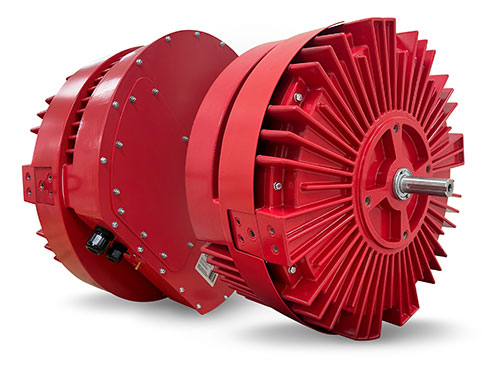
Makers of electric motors have been making significant advancements in energy efficiency. For example, Infinitum Electric, a startup based in Round Rock, Texas, makes electric motors that are half the size and weight of standard motors. Infinitum investors include Caterpillar and Rockwell Automation. Infinitum founder and chief executive Ben Schuler says one of the keys is using variable frequency drives, “which permit the motor to adjust speed to meet the actual power demand of an application and save energy.”
Schuler cited data from the U.S. Department of Energy, projecting that implementing advanced motor technology in the U.S. industrial and commercial sectors can save 127 terawatt-hours per year (TWh/yr.), resulting in cost savings of $14.7 billion and reductions of 90.2 MMT of CO2. “That’s equivalent to the annual electricity use of all households in California and North Carolina combined,” Schuler says.
To help industry adapt to electrification, Minneapolis-based manufacturer Thermo King has partnered with the University of Minnesota’s Technological Leadership Institute (TLI) to develop a program to “train engineering and adjacent employees on electrical engineering basics at a detailed design level” says Grant Ovsak, leader of Thermo King Americas’ Electrification Center of Excellence. The program’s ultimate goal is to enable development in converting fossil-fuel power-based systems to electrified power-based systems. “This is an important step in helping move the nation, and the world, to green power sources like hybrid or all-electric through education,” Ovsak says.
“The refrigerated transportation industry is going through the same transition as the automotive industry as we work to move toward more sustainable power sources,” Ovsak explains. He predicts that, as the Infrastructure Investment and Jobs Act and other transportation funding grows in impact, that will increase demand for transitioning away from fossil-fuel systems to hybrid and fully electric designs. TLI and Thermo King hope other industrial companies will benefit from training programs similar to theirs in order to accelerate the move away from fossil fuels.
-
Dan Emerson, Staff Editor, Area Development
Based in Minneapolis, Dan Emerson has been a freelance writer for business, trade, and consumer publications since 1994.
-
Advanced Manufacturing
Building the Nation's First AI-Ready Workforce

Data Centers
AEP Ohio Proposes Controversial Data Center Rate Hike Amid Power Demand Surge
-
Advanced Manufacturing
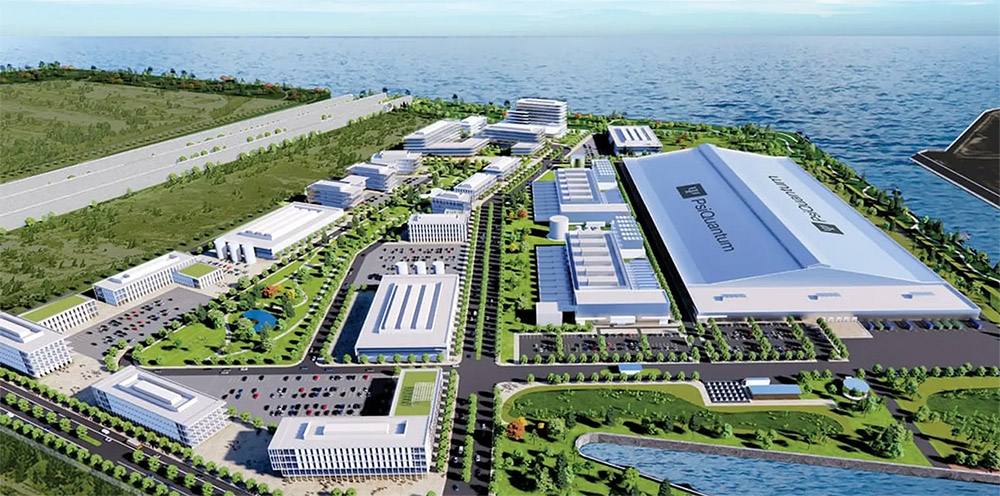
From Steel to Silicon: Chicago’s South Works Site to Host Largest U.S. Quantum Computing Hub
-
Skilled Labor / STEM
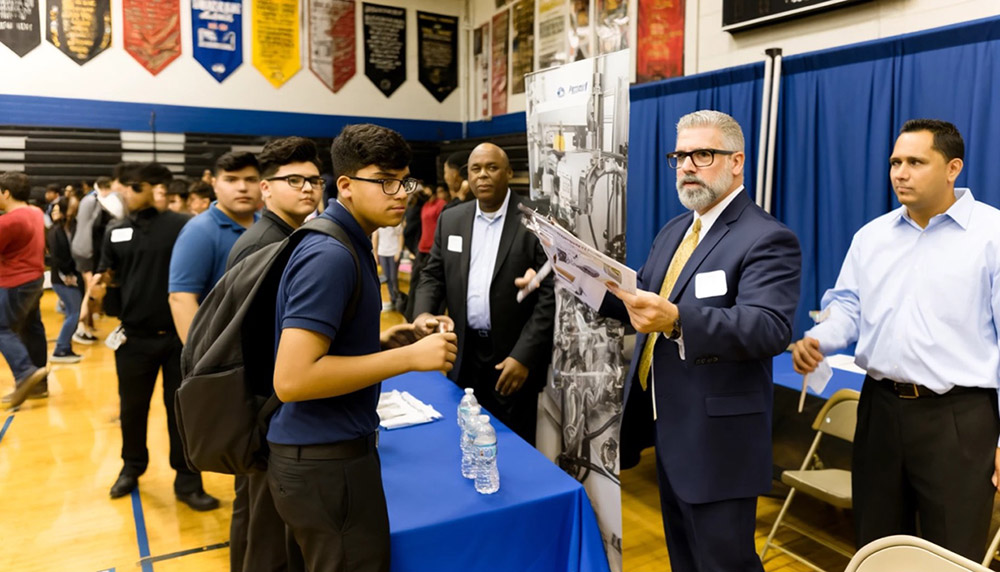
Creative Recruiting Might Help Close the Manufacturing Skills Gap
-

Recent Project Announcements
Spain-Based Vicente Torns Plans West Liberty, Ohio, Manufacturing Operations
09/07/2026
Brunk Industries Expands Armstrong County, Pennsylvania, Operations
09/07/2026
Greenheck Group Plans Owasso, Oklahoma, Manufacturing Operations
09/07/2026
Alterra Mountain Expands Denver, Colorado, Operations
09/07/2026
Clark Pacific Plans Coolidge, Arizona, Manufacturing Operations
09/04/2026
Burlington Stores Plans Philadelphia, Pennsylvania, Headquarters Operations
09/04/2026
Jarrell Contracting Expands Hazelwood, Missouri, Operations
09/04/2026
Eaton Plans North Little Rock, Arkansas, Manufacturing Operations
09/04/2026
Gulf Ship Expands Gulfport, Mississippi, Operations
09/04/2026
GE Appliances Expands Louisville, Kentucky, Manufacturing Operations
09/04/2026
South Korea-Based Sam Dong Expands Rogersville, Tennessee, Production Operations
09/04/2026
Israel-Based Capture Group Plans Sterling Heights, Michigan, Manufacturing Operations
09/04/2026
Westerman Expands-Plans Bremen-Hebron, Ohio, Operations
09/04/2026
RayzeBio Plans Whitestown, Indiana Radiopharmaceutical Manufacturing Operations
09/02/2026
Most Read
-
The RFI Is No Longer the Starting Line
Q3 2026
-
The Shifting Landscape of Location Strategy
Q2 2026
-
21st Annual Shovel Awards: The American Industrial Economy Remade in Real Time
Q2 2026
-
Why Some Utilities Are Now Looking at Flexible Loads
Q2 2026
-
Power Is the New Gatekeeper in Manufacturing Site Selection
Q2 2026
-
Avoid These Red Flags, Deal Killers, and Blunders in Site Selection
Q2 2026
-
Reading the Signals Most Companies Miss During Site Selection
Q3 2026