

Environmental Issues Not As Important To Site Selectors
With the downturn of the economy and uncertainty about the future, companies have gone into survival mode, focusing on cost savings instead of environmental concerns.

With the downturn of the economy and uncertainty about the future, companies have gone into survival mode, focusing on cost savings instead of environmental concerns.
Developments near public transportation hubs attract quality workers and provide opportunities for public-private partnerships.

The current economic slowdown presents an opportunity for companies to assess energy costs and reliability at their present location.
Rural communities are leveraging advanced information and communications technologies to compete with major metropolitan areas for new investment.

The role of the key groups involved in location selection - and how and when they fit into the decision - must be established early in the process.

Alternative Energy is part of today's - and tomorrow's - location decision.

Although the financial crisis has battered many bio firms, there are still signs of strength and new investments on the horizon to sustain this sector's vitality.
California has paid the price for its eco-friendly initiatives, but those investments could pay off for companies there as the government mandates green building, manufacturing, and more.

Already popular in offices and retail, natural lighting is now gaining recognition for its benefits in manufacturing settings.

Experts predict a rough 2009 for industrial companies, but several see signs that the turnaround may start in 2010.

The Lone Star State is still the top U.S. location for business, with an economy that's flourishing in spite of the global recession.
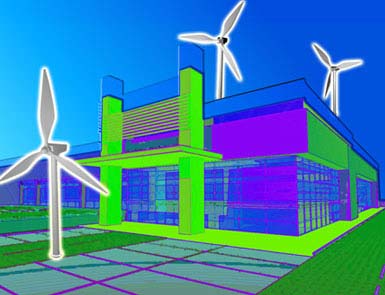
More companies and organizations are finding that wind power makes sense for their energy needs..
More second- and third-tier markets, both rural and suburban, are combining their economic development resources.
Much of Florida's economic development activity is centered around Orlando, andt exports continue to be important.
Proactive planning is at the heart of Mississippi's strategy to attract new business and retain key corporate partnerships.
Alternative energy investments are part of Illinois' long-term plans for economic recovery and new jobs.
West Virginia is making a concerted effort to reposition itself as a location destination for high-tech industries.
Industries such as defense, logistics, alternative energy, and high-tech give Virginia leverage against the recession.
The auto downturn notwithstanding, Michigan continues to attract investment from multiple sectors.
Louisiana has seen lower unemployment and higher job growth than the South and U.S. as a whole.
"Green" leases give tenants and landlords the opportunity to incorporate energy efficiency goals into rental agreements.

Investments in renewable resources are to be the stimulus the U.S. economy needs to get back on a growth track.
Rick Doornbos, President & CEO of Hemlock Semiconductor Group, shares his insights on high-tech manufacturing and site selection.

Managers who approach their employees carefully in the wake of economic job eliminations may avoid legal problems later.

As U.S. automakers actively restructure their companies, expect, and be ready for, an automotive rebound in the months ahead.
There are specific and strategic words and actions that managers can take to help reduce the pain of layoffs for everyone involved.

Receive quarterly issues of Area Development Magazine at no charge for qualified executives and consultants to industry.
Corporate Exec Survey Results
Leading Metro Locations
Top States for Business
Annual Econdev Awards