COVID-19 Spurs More Automated Manufacturing
The global pandemic has presented manufacturers with new labor challenges, which are being addressed by new technologies and automation.
Q3 2020

With COVID-19 and the need for social distancing, these shortages are escalating. Many factories have shuttered to protect workers and prevent COVID-19’s spread. Even before this global crisis, in 2018 Deloitte had already projected that manufacturers would face shortages of some 2.4 million workers through 2028.
New Technologies
New technologies and automaton can be a solution to this problem. Capgemini Research Institute reports that the market for smart manufacturing platforms reached $4.4 billion in 2019 and expects it to grow steadily over the next five years. Just recently, Thomas, which specializes in industrial sourcing platforms, found in its own survey that one in four U.S. manufacturers are considering expanding industrial automation as a result of COVID-19. An additional 20 percent of companies reported they already have systems in place.
One such company is Sleepnet in Hampton, N.H., which manufactures gel masks for obstructive sleep apnea and non-invasive ventilation. “Since COVID-19 hit, our team has seen a significant increase in demand of the exceptional envo® mask, a reusable N95 respirator mask used in trades, industrial environments, and many other NIOSH N95-rated applications, and now for all frontline workers,” says Tom Moulton, CEO and president of Sleepnet. Consequently, Sleepnet has increased capacity by working longer hours and upgrading existing machines by retrofitting automation components.
The market for smart manufacturing platforms reached $4.4 billion in 2019 and it is expected to grow steadily over the next five years. “We anticipate a 30 percent increase in production as well as more time to do secondary operations by developing work cells for more throughput with less labor,” Moulton says. “In the next phase of our work, we will increase the number of machines we use, which will double our capacity by the end of the year.”
Custom Machinery
Steven Douglas Corp. (SDC) has seen an uptick in automation requests, particularly among manufacturers in the medical and pharmaceutical industry and consumer products. SDC designs, engineers, and builds custom machinery for factory automation.
Ashley Belliveau, who handles SDC’s Business Development, points to two reason: the lack of quality labor in manufacturing facilities and an overall shift to implement social distancing, e.g., taking a fully manual line and converting it to a semi-automated line; spacing operators 6 feet apart with an automated conveyor and part-tracking system in between.
Today SDC finds that more customers are purchasing both full-automated and semi-automated machines to manufacture the same product. For example, a customer purchased a large, custom, fully automated machine to inspect and package a drill bit.
“We were able to use some of the automated processes from the fully automated machine and adapt them for two identical semi-automated work benches to perform the same processes,” she explains. “The semi-automated solutions offer the ability to run smaller batches of production in a variety of sizes without any machine change over.”
SDC also notices more manufacturers being comfortable with integrating industrial robots and complex machine vision and inspection systems. “Many manufacturers are investing in training their operators to monitor automated machines instead of training operators to manufacture products,” she explains.
-
Karen Thuermer, Staff Editor, Area Development
Karen Thuermer is an Alexandria, VA-based freelance writer who has been covering economic development issues for over 25 years.


Recent Project Announcements
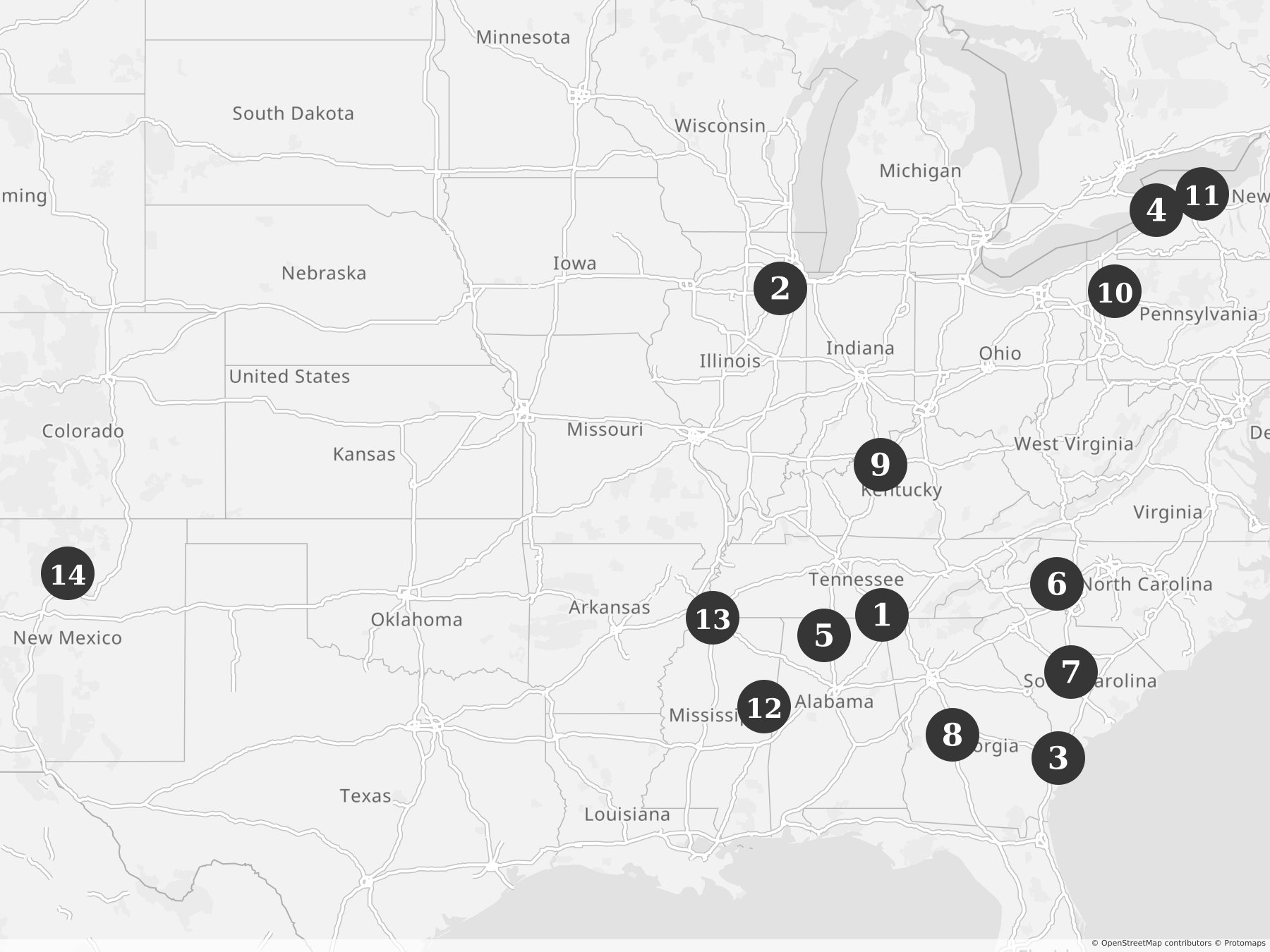
Valmont Industries Expands Jasper, Tennessee, Production Operations
10/25/2026
Hyundai Translead Expands Joliet, Illinois, Manufacturing Operations
10/25/2026
Mitsubishi Power America Expands Chatham County, Georgia, Operations
10/25/2026
Niagara Power Transformer Expands Buffalo, New York, Manufacturing Operations
10/25/2026
Nucor Expands Decatur, Alabama, Manufacturing Operations
10/24/2026
US Conec Plans Hickory, North Carolina, Manufacturing Operations
10/24/2026
Westinghouse Electric Company Expands Richland County, South Carolina, Advanced Nuclear Fuel Operations
10/24/2026
Blue Bird Corporation Expands Peach County, Georgia, Manufacturing Operations
10/24/2026
Silco Fire & Security Plans Bullitt County, Kentucky, Operations
10/24/2026
Conair Expands Franklin, Pennsylvania, Production Operations
10/23/2026
Phoenix Tailings Plans Rochester, New York, Rare Earth Mineral Separation Operations
10/22/2026
Barge Forest Products Expands Macon, Mississippi, Sawmill Operations
10/22/2026
ITT Goulds Pumps Plans Memphis, Tennessee, Manufacturing-Distribution Operations
10/22/2026
Discovery 2 Scale Plans Nambé Pueblo, New Mexico, Headquarters Operations
10/22/2026
Most Read
-
Top States for Doing Business in 2026: Where Competitive Advantage Becomes Project Certainty
Q3 2026
-
Why Great Sites Get Eliminated: The Critical Role of Information Presentation in Site Selection
Q3 2026
-
What Site Selectors Discuss After the Site Visit Ends
Q3 2026
-
2025’s Top States for Business: How the Winners Are Outpacing the Rest
Q3 2025
-
Space and Defense Are Becoming One Industrial Ecosystem
Q3 2026
-
Industrial Location Decisions Follow the Freight
Q3 2026
-
Economic Developer Role Shifting from Deal-Making to Systems Stewardship
Q1 2026