
Brownfields Offer Redevelopment Opportunities
Found in both urban and rural areas and often with infrastructure in place, brownfield sites can be revitalized and reused with the proper remediation plan in place.
Q4 2023
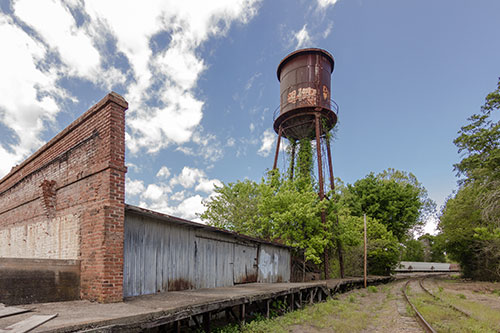
The level of contamination may vary depending on its previous use. “Old housing development, a commercial dry cleaner, railroad lines, kerosene soaked pilons on docks/piers, industrial manufacturing, etc., and more specifically, the level and presence of hazardous substances, solid or liquid wastes need to be remediated,” says Michaela Martin, a director at Site Selection Group.
Despite contamination issues, brownfield sites present opportunities for revitalizing blighted properties and promoting sustainable development, particularly in urban areas, as opposed to developing green spaces.
John Tregidgo, LSRP, senior project manager, and Doug Neumann, director of Environmental Sciences, at Dresdner Robin, a land-use consultancy firm, point to projects in which their consultancy has been involved. One is Berry Lane Park in Jersey City, NJ. Comprised of former rail and industrial operations, the site was redeveloped into a vibrant 17-acre park.
“Brownfields redevelopment can be a real asset as they are located in both urban and rural areas, typically found with existing infrastructure in place from roads and railways to utilities, sometimes found with significant utility capacity levels, and often close to population centers, meaning access to workforce,” Martin says.
Another example is the Bellwether District, a 1,300-acre site on the edge of downtown Philadelphia. The $4 billion project under development by Hilco Redevelopment Partners (HRP), was once the site of the nation’s biggest and most productive oil refineries. Now The District will house commercial, e-commerce, life sciences, and logistics activities. HRP says it will be a model of sustainable development and design and employ upwards of 19,000 workers.
Time and cost are the big challenges to developing brownfield sites; however. The District is expected to take 10 to 15 years to fully build out.
A Remediation Plan Is Needed
For brownfield redevelopment to be successful, both public and private entities must be committed to the project. Early collaboration between the state, municipality, community, and developer are needed to develop a strategic plan that integrates each party’s interests, explain Tregidgo and Neumann.
Brownfields redevelopment can be a real asset as they are…often close to population centers, meaning access to workforce. Michaela Martin, Site Selection Group Before a site can change hands legally, a remediation plan for the site must be made along with ongoing monitoring of the contaminated area(s) that the owner must usually continue to handle unless a new buyer agrees to take the task on as part of the deal, explains Michelle Comerford, a project director and leader of the Supply Chain Practice at Biggins Lacy Shapiro & Co.
“Some brownfields may require years of clean up, while others may not require lengthy environmental cleanup at all, but both scenarios require sign off from local/state authorities before any redevelopment may occur,” Martin says. “Many states have established Brownfield Redevelopment funds that typically require a public entity to apply for brownfield grants that can help offset costs,” she notes.
Additionally, many locations offer a strong and growing set of tools that can support the repositioning of these sites, allowing developers and end-users to mitigate costs, reduce development timelines, and capitalize on the legacy strengths of these locations, emphasizes Shannon R. Selby, vice president of Real Estate at the Detroit Regional Partnership.
Flint, Michigan’s 350-acre massive General Motors’ Buick City is a prime example. “Its fall from a bustling manufacturing hub and civic pride to a run-down brownfield has been well chronicled, but it’s on an upward trajectory with public- and private-sector investment that’s positioning it for an exciting new chapter after its recent groundbreaking,” says Selby.
The $300 million project called Flint Commerce Center is expected to provide up to 10 buildings, 3.5 million square feet of Class A industrial space, and 3,000 new jobs. “There aren’t many available industrial properties of this magnitude,” Selby adds.
-
Karen Thuermer, Staff Editor, Area Development
Karen Thuermer is an Alexandria, VA-based freelance writer who has been covering economic development issues for over 25 years.



Recent Project Announcements
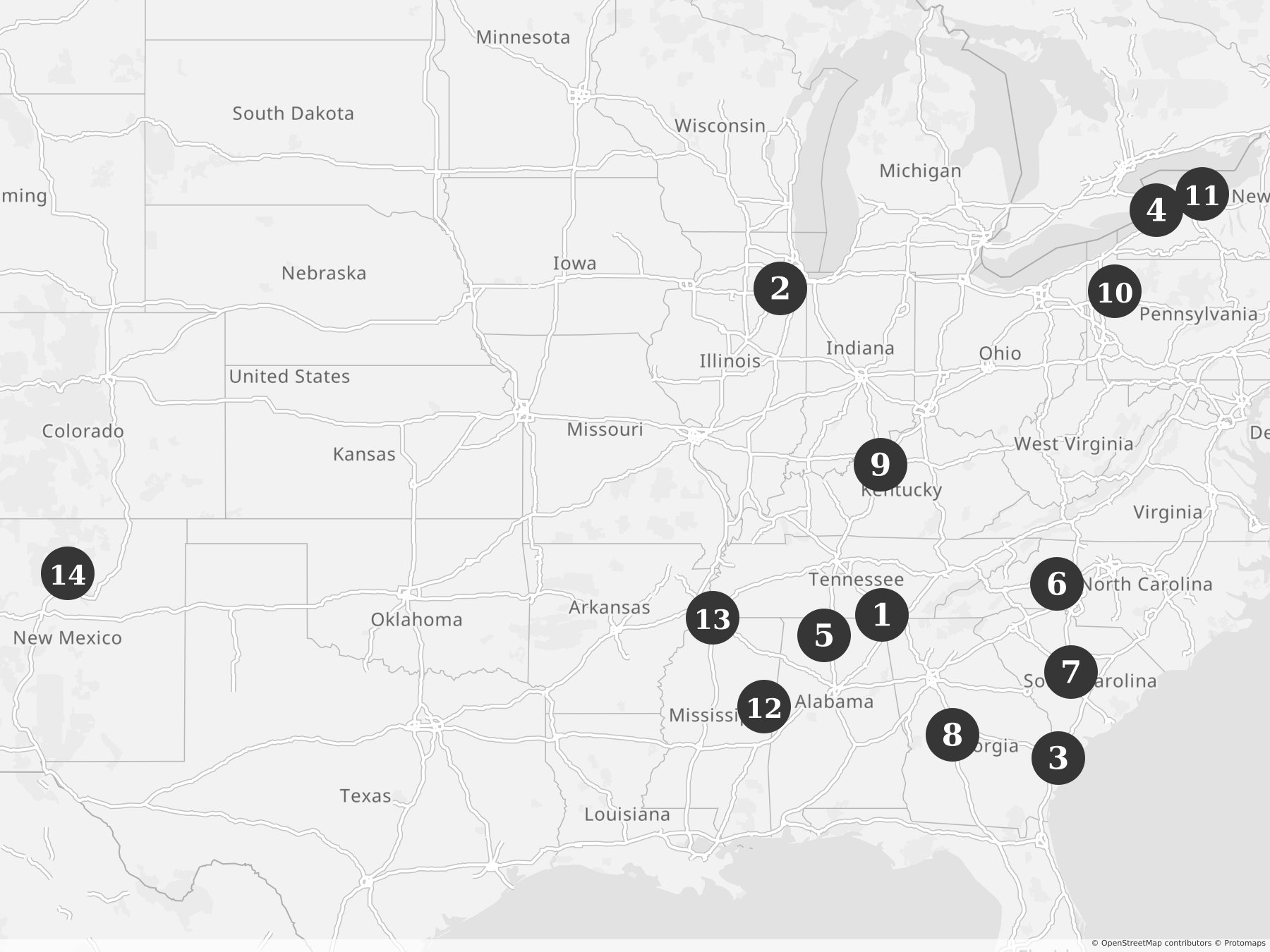
Valmont Industries Expands Jasper, Tennessee, Production Operations
10/25/2026
Hyundai Translead Expands Joliet, Illinois, Manufacturing Operations
10/25/2026
Mitsubishi Power America Expands Chatham County, Georgia, Operations
10/25/2026
Niagara Power Transformer Expands Buffalo, New York, Manufacturing Operations
10/25/2026
Nucor Expands Decatur, Alabama, Manufacturing Operations
10/24/2026
US Conec Plans Hickory, North Carolina, Manufacturing Operations
10/24/2026
Westinghouse Electric Company Expands Richland County, South Carolina, Advanced Nuclear Fuel Operations
10/24/2026
Blue Bird Corporation Expands Peach County, Georgia, Manufacturing Operations
10/24/2026
Silco Fire & Security Plans Bullitt County, Kentucky, Operations
10/24/2026
Conair Expands Franklin, Pennsylvania, Production Operations
10/23/2026
Phoenix Tailings Plans Rochester, New York, Rare Earth Mineral Separation Operations
10/22/2026
Barge Forest Products Expands Macon, Mississippi, Sawmill Operations
10/22/2026
ITT Goulds Pumps Plans Memphis, Tennessee, Manufacturing-Distribution Operations
10/22/2026
Discovery 2 Scale Plans Nambé Pueblo, New Mexico, Headquarters Operations
10/22/2026
Most Read
-
Top States for Doing Business in 2026: Where Competitive Advantage Becomes Project Certainty
Q3 2026
-
Why Great Sites Get Eliminated: The Critical Role of Information Presentation in Site Selection
Q3 2026
-
What Site Selectors Discuss After the Site Visit Ends
Q3 2026
-
2025’s Top States for Business: How the Winners Are Outpacing the Rest
Q3 2025
-
Space and Defense Are Becoming One Industrial Ecosystem
Q3 2026
-
Industrial Location Decisions Follow the Freight
Q3 2026
-
Economic Developer Role Shifting from Deal-Making to Systems Stewardship
Q1 2026