
Driving Into An Electric Vehicle Future
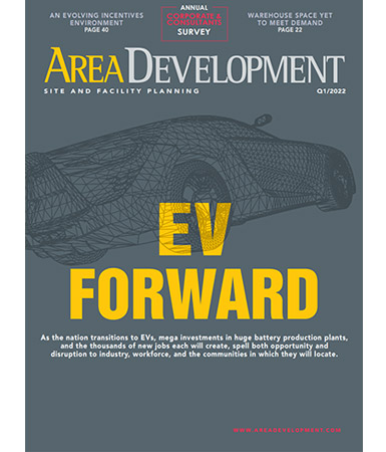
The transition to EVs will bring mega investments and thousands of jobs to some communities while disrupting makers of ICE vehicles, the communities in which they’re located, as well as their employees.

With huge growth expected in the EV/battery production market, manufacturers must start their project planning early, taking into account labor, energy, and supply chain needs.
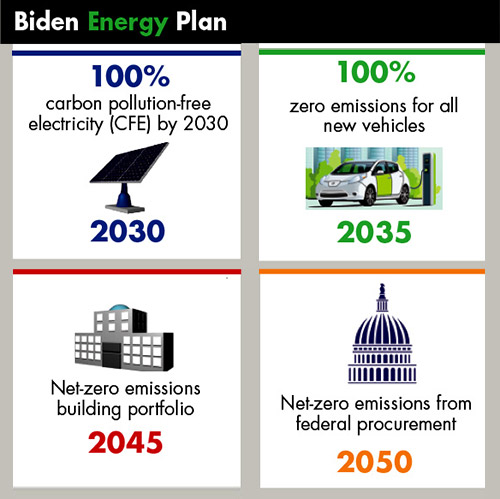
With the federal government’s commitment to sustainable energy, businesses must act now to not only meet the new guidelines but also to satisfy customers and investors alike.
Supply chain disruptions spawn creative, and possibly lasting, project solutions.
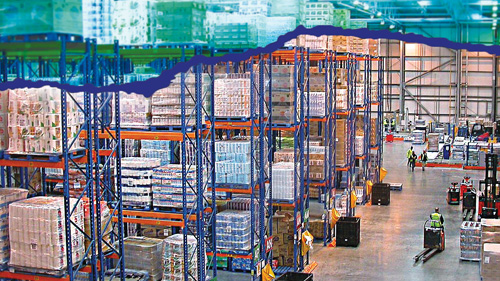
A lack of warehouse space in growth markets — driven by the surge in e-commerce — is being exacerbated by a scarcity of building materials and their skyrocketing costs.
As workforce location preferences have evolved over decades, one thing has remained constant: individuals want to work and live in locations that foster their physical as well as mental and emotional health.
A dedicated project controls process will take into account all phases of a project, from planning and scheduling to budgeting and execution, helping to successfully deal with any difficulties encountered along the way.
Remote work is creating challenges for incentive agreements and compliance.
A careful evaluation of a site’s labor force is needed to guard against unwelcome surprises.
A tight labor market, supply chain challenges, and rising costs have resulted in some surprising changes in corporate respondents’ location priorities.
Supply chain considerations, the shortage of skilled workers, and a lack of industrial space are top of mind for their clients, according to consultants responding to our annual survey.
Companies have met the challenges over the last two difficult years but will now need to adjust their plans and priorities over the course of 2022 in order to succeed.
The risk of extreme weather events is increasingly being factored into companies’ location decisions, as are sustainability initiatives to reduce carbon emissions that contribute to global warming.
With COVID-19 changing the reality of the world’s population, it has undoubtedly affected the way businesses operate. Area Development recently discussed the use of robotics and other automation technologies in response to these changes with Carolina Weidler, leader of Hendy’s Science and Technology Practice Group.
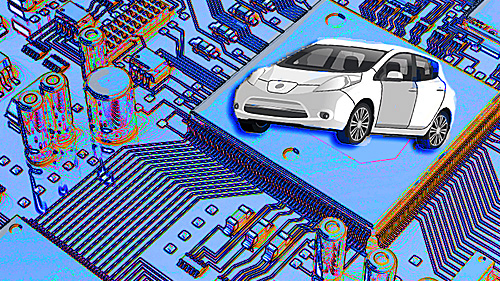
In response to supply chain challenges and in order to expand production of AVs and EVs, U.S. automakers are looking to design the highly coveted chips in-house.
Investing in facilities now will yield financial and physical benefits in the short and long term.
Emerging robotics and AI technologies can help meet critical goals of connectivity, equity, and sustainability.
Receive quarterly issues of Area Development Magazine at no charge for qualified executives and consultants to industry.
Corporate Exec Survey Results
Leading Metro Locations
Top States for Business
Annual Econdev Awards