A “Now, Next, Later” Approach for Dealing with Pandemic Challenges
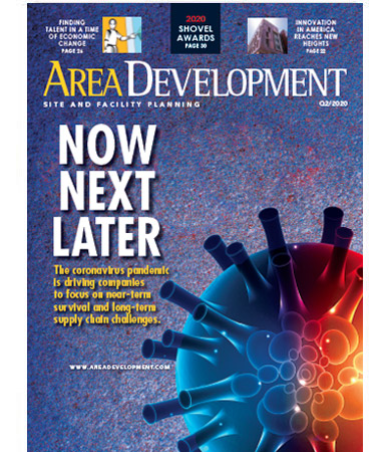
The coronavirus pandemic is driving companies to focus on near-term survival and long-term supply chain changes.
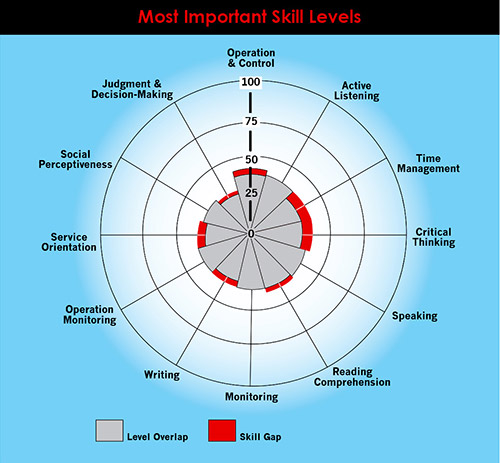
Businesses and communities will find that the solution to their post-COVID workforce problems is the same: skills.
If necessity is the mother of invention, the COVID-19 crisis is driving cooperative innovation by companies, government entities, and healthcare organizations.
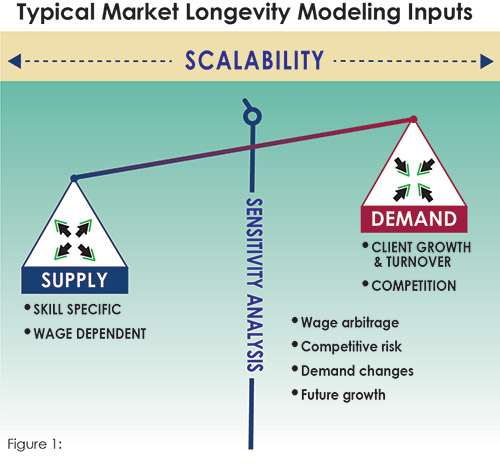
Despite today’s unprecedented labor market uncertainty, predictive people analytics can still be used to understand exposure to the economic ramifications of the current crisis.
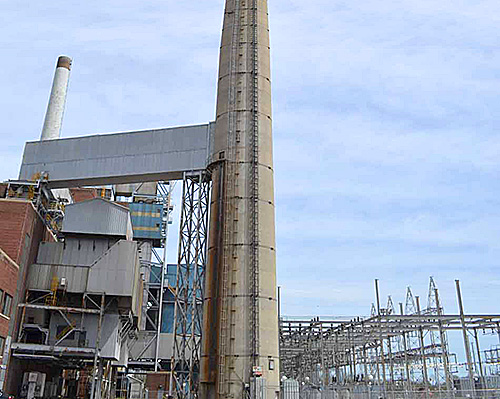
Industrial real estate firms are joining environmental investors to redevelop former coal plant sites in an effort to breathe new life into the communities where they are located.
As millions of idled workers start to return to the workforce, the need for workforce development programs will be greater than ever before.
Although compliance may not be top of mind for business during the pandemic, renegotiation may be possible, and incentives could be more important now than ever before.
By gaining real data in the pre-capital planning stage, a business can achieve a solid basis for making critical operational and locational decisions.
By the end of the first quarter, the U.S. economy contracted by 4.8 percent — the steepest contraction since Q4/2008 during the Great Recession, according to the Bureau of Economic Analysis. How should businesses respond to this crisis?
The value and impact of FDI will remain an important part of the economic recovery from the coronavirus pandemic.
Although the COVID crisis has forced companies to lay off or furlough employees, they need to consider talent acquisition strategies now.
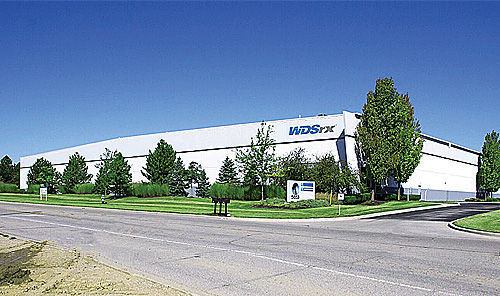
Locations in the middle part of the country provide an alternative to coastal seaports while providing quick intermodal connections to the nation’s interior.
Whether your business’ facility has been completely shut down or minimally occupied, concerns about systems and security must be addressed to ensure a smooth reopening.
Economic developers are playing an important role in helping businesses to navigate the COVID-19 crisis, and their use of incentives to solidify relationships should not be shunned.
A highly robust telecom infrastructure combined with an educational system that can remotely deliver high-quality instruction and training are among the longer list of corporate “must-haves” in the post-COVID 19 era.
State and local governments should forego tax revenue in 2020, allowing businesses to retain cash and restart their businesses.
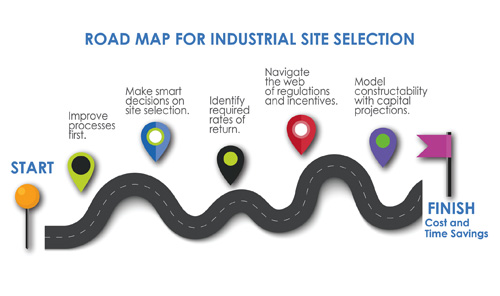
Populating your site selection team with the experts critical to your particular project will lead to a successful location decision.
Companies must proactively incorporate redundancy, safety, and communication into their operations.
The COVID 19 crisis will bring about changes in location strategies and how the process is conducted, as well as in which projects will go forward.
The current pandemic will present a “new normal” that may include a continuation of allowing employees to work from home and the creation of new behaviors for those that come into the office.
Companies that have reduced their workforces as a result of the COVID 19 crisis may need help getting back up to speed when things return to “normal.”
What I learned during the Covid-19 pandemic: Be careful what you wish for!
In the face of current risks, business will focus on supply chain resiliency, accelerating automation, and increased investments in telecommunications and renewable energy.
The current pandemic crisis has brought supply chain risks to the forefront; consequently, foreign companies may want to localize production to the U.S. if they wish to serve the American market.
Temporary shifts to remote working may become permanent and more reshoring of critical manufacturing jobs may also be in the offing as companies look to become more resilient to crises.
The global pandemic is causing companies to rethink their office occupancy requirements and supply chain configurations.
The public and private sectors must work together to continue to move business and community forward.
Implementing 5G will bring real-time optimization to manufacturing and distribution facilities.
Receive quarterly issues of Area Development Magazine at no charge for qualified executives and consultants to industry.
Corporate Exec Survey Results
Leading Metro Locations
Top States for Business
Annual Econdev Awards