
COVID-19 Response
Recent Features
What in the World? FDI Trends to Watch in 2023
Morgan Crapps, Principal at ParkerPoe Consulting, spoke at Area Development’s Women in Economic Development Forum about the trends and factors that shaped foreign direct investment in the United States in 2022, and what we’re tracking for 2023.
First Person: Manufacturers: Disrupt or Be Disrupted
Area Development’s staff editor, Lisa Bastian, recently posed some question to American Crane’s CEO & President, Karen Norheim, about how overcoming pandemic challenges has strengthened the company for what lies ahead, as well as opportunities for women in manufacturing.
Editor's Note: Strong Government/Business Partnerships Mitigate Location Risks
Economic development programs are evolving to help companies mitigate risks and boost their return on investment, while businesses are also placing increasing emphasis on environmental, social, and governance (ESG) issues.
Shifting Dynamics in a Post-Pandemic World
Your business may benefit from economic developers’ new targeted approaches that support new norms in the workplace, promote inclusive economic recovery, and place ESG at the center of their value proposition.

U.S. Supply Chains Face Critical Stage
The pandemic accelerated the reexamination of U.S. supply chains, and a new report sets out a path for addressing vulnerabilities.

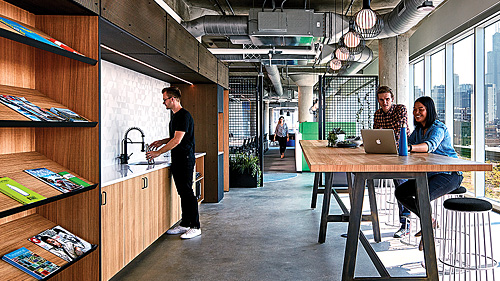
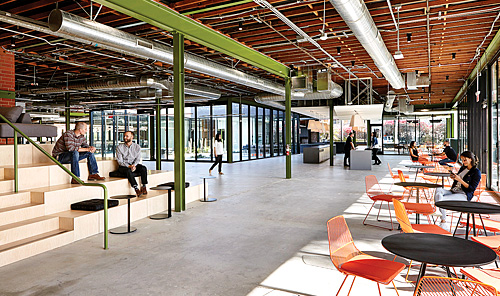
A Revitalized Vision for the Corporate Campus
As COVID-19 starts to subside, the tech industry is reimagining the corporate campus, as well as workspaces, and that is bound to also affect companies in other industries.
Auto Industry Is Betting on Sustainability
The automotive industry and its suppliers are realizing that they must invest in sustainability initiatives because of their importance to customers and shareholders alike.
Adapting to a New Workplace Ecosystem
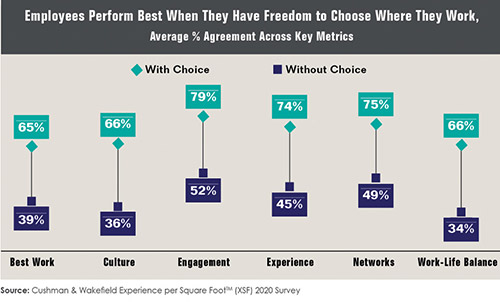
The office is evolving and becoming more agile — it has to.
Immigration Tips for International Business Travelers During the Pandemic
As international business travelers resume their travel to the U.S. for site visits and face-to-face meetings, there are specific guidelines to keep in mind to facilitate the entry process.

First Person: Engaging the Workforce with Empathetic Leadership
Area Development’s staff editor Mark Crawford recently asked Ericsson’s Dan Kerber, vice president of digital services business operations for North America — who helps companies improve their financial and operational metrics through improved resource management processes — about his thoughts on leadership, especially the need for “soft skills” during the COVID-19 pandemic.
Editor's Note: The Pandemic as a Catalyst for Change
The results of our 35th annual Corporate Survey and 17th annual Consultants Survey reflect changes brought about by the COVID-19 pandemic, including a temporary and/or permanent transition to remote work and an increase in the importance of quality of life.
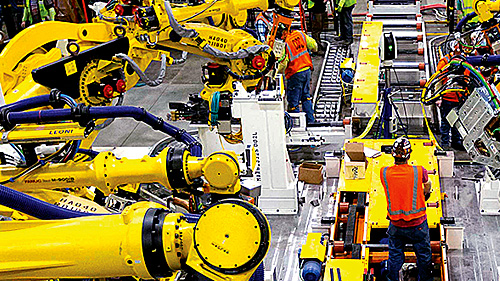
3D Manufacturing and COVID-19
The global pandemic may be taking the U.S. back to the days of regional manufacturing, simplifying supply chains and making us more self-sufficient.
Pandemic Fuels Data Center Growth
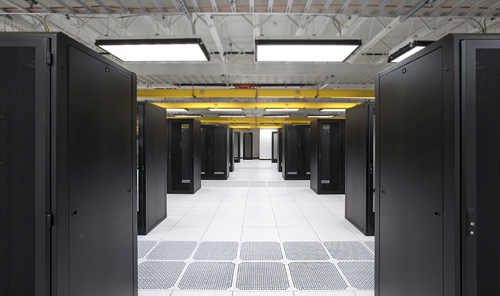
With employees working remotely, school being held virtually, and everyone being entertained via the Internet during the COVID-19 crisis, growth of these mission-critical facilities accelerated and will continue to do so.
First Person: A Manufacturer’s Response to Pandemic-Related Challenges
Area Development’s editor recently asked PPG’s Tim Knavish — who is responsible for the architectural coatings business in USCA, EMEA, and Asia Pacific regions, the global automotive refinish business, the Latin America region, and the digital and information technology functions — about his company’s response to COVID and important operating concerns.
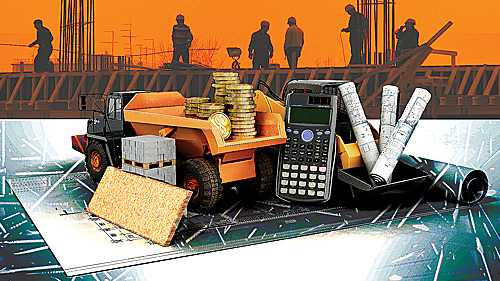
In Focus: Construction Tech Adoption Speeds Up
Despite the bleaker impacts of COVID-19, the pandemic has created the opportunity for construction technology adoption to dramatically accelerate.

Contributed Content
COVID-19 Highlights Distribution and Logistics Sector’s Importance
Industry helps the nation battle the pandemic while positioning Kentucky for future growth.
Challenges of Moving Manufacturing Out of China
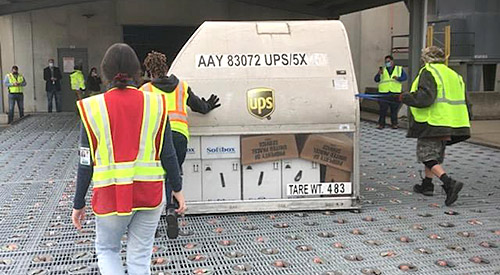
When moving manufacturing out of China, there’s a lot to consider, e.g., employment contracts, retrieval of tooling and molds, IP protection, and taxes and fees.

Strategies for Accelerating Project Execution
Pandemic-related project delays have prompted manufacturers to investigate alternative project-delivery approaches to make up for lost time.

Sustaining Industrial Labor Needs During and After the Pandemic
Finding and retaining a skilled workforce continues to be a critical need, and those unemployed during the pandemic may need training and help with other issues to step into those open roles.
The Future of the Workforce Is a “Better Normal”
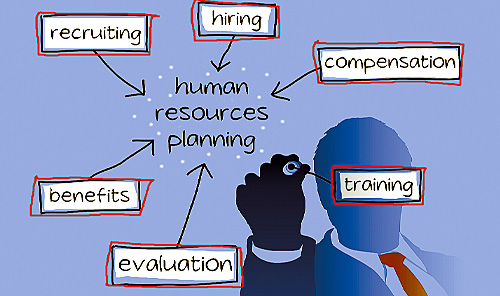
Redefining the workforce in a post-pandemic world will likely be driven by the ideals of our largest generation — millennials.

Recruiting and Retaining Today’s Manufacturing Workforce
Area Development recently asked Kylene Zenk — director of the Manufacturing Practice at UKG (Ultimate Kronos Group), a leading global provider of HR services and workforce management solutions — for her input on recruiting and retaining a skilled workforce in the age of COVID-19.
Five Key Factors at Play When Satisfying Workforce Requirements
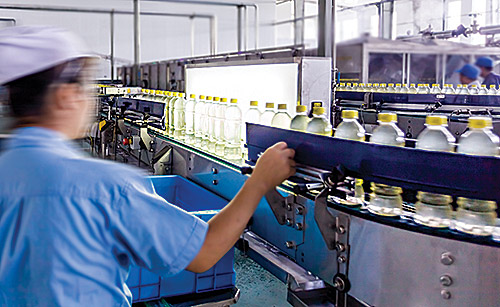
The global pandemic has magnified the significance of workforce training options and incentives in the site selection process.
Leveraging the Workplace in Recruitment Strategies
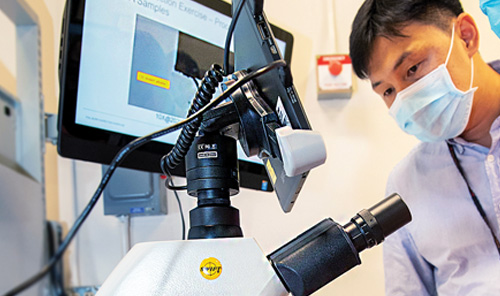
Companies whose goals and priorities are reflected in their workspaces, supporting the well-being of their employees, are more likely to attract and retain top talent.

Editor's Note: Is There a “Better Normal” Ahead?
The global pandemic has brought into focus the rise of e-commerce, including in the food and beverage industry, and the importance of the life sciences sector, while also redefining workforce.
Another Look at Rural Economies
Some communities are doing well, some are turning things around, some still have an uphill battle ahead of them. And this points to perhaps the biggest problem with our approach to rural economies: we lump all rural places into the singular “rural America” bucket.

Trends in Office and Industrial Parks
Allowing employees to continue to work remotely and possible moves to the less densely populated suburbs are among the factors that will affect corporate real estate in 2021.
First Person: Understanding and Investing in Current and Future Talent
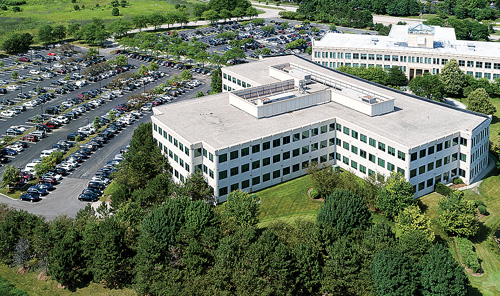
Michelin’s Director of Business Intelligence and Analytics Rick Williams recently answered questions posted to him by Area Development’s editor about fulfilling a company’s workforce needs in these unprecedented times.
Supply Chain Execs Respond as Pandemic Creates E-Commerce Surge
Supply chain executives at XPO Logistics discuss the surge in e-commerce, which is going to play out for a long time to come.
Expanded Incentives Support the Growth in Remote Work
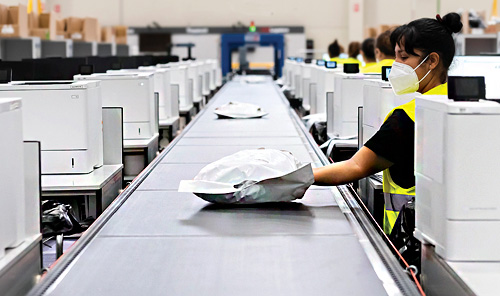
Local economies are benefitting from adding new jobs — whether those jobs are performed on-site or remotely — and they are incentivizing them, too.

Boom in E-Commerce Creating Workforce Opportunities
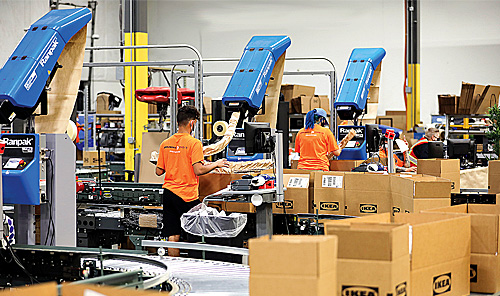
The COVID-19 pandemic has accelerated the rise in e-commerce and created opportunities for fulfillment jobs, along with a need for increased automation and training.
How to Navigate the Reshoring of Pharmaceutical Manufacturing
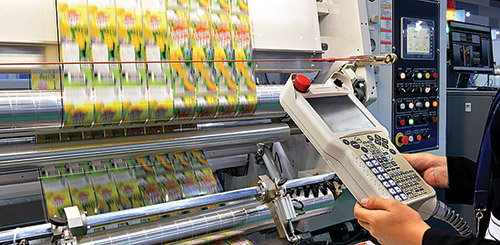
With global vulnerabilities in the supply chain and the ever-changing landscape of the “new normal,” pharma industry leaders need to have a clear map for the road ahead.

Workforce: A Primary Ingredient in the Evolution of the Food Industry
The global pandemic has accelerated changes occurring in the food and beverage industry, with a heightened focus on worker and consumer safety and automation technologies.
Redevelopment of Space for Booming Life Sciences Firms
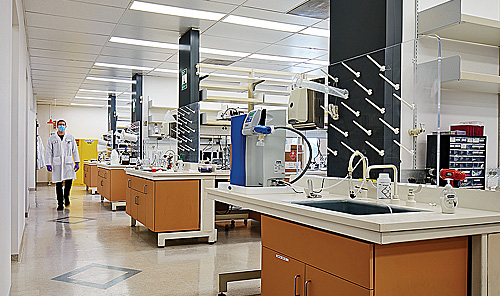
As life sciences firms look to ramp up production, many are considering redevelopment of sites formerly put to other uses.
Finding the Sweet Spot in Food Plant Location Decisions
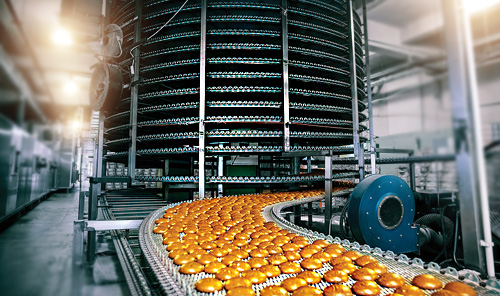
As new food plant construction continues in 2020, companies must take into account the factors most critical to their bottom line in order to maintain profitability for the life of the facility.
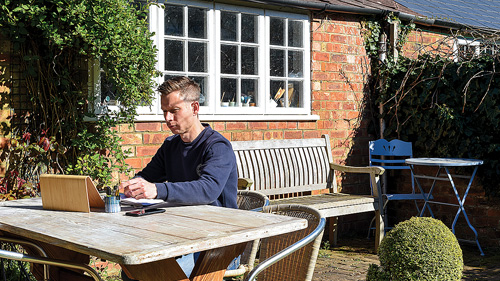
In Focus: The Evolving Role of Outdoor Spaces
Outdoor collaboration zones can provide workers with a sense of safety and return to “normal” in a post-COVID-19 world.
Restarting Delayed Capital Projects
A collaborative approach to re-evaluation of delayed capital projects is in everyone’s best interest.