
Editor’s Note: Workforce Stats Paint a More Optimistic Picture, Although Challenges Remain
Industry is still being challenged by low unemployment and the e-commerce surge among other concerns but is continuing to spend on new facilities and “to think outside the box” when it comes to fulfilling workforce needs.
Q3 2023
So, while the Fed is still worrying about rising prices throwing the economy into a downturn, the positive statistics cited above paint a different picture. Companies are still expanding, and individuals are still employed and spending, with much of that spending still online post-pandemic, with the U.S. topping $1 trillion in e-commerce sales for the first time last year. This does, however, present a challenge for the businesses engaged in e-commerce as they compete for prime real estate on which to place distribution facilities, especially those covering the last mile. According to Matt Powers of JLL, in order to stay competitive, industry leaders must think ahead of challenges in space constraints, supply chain management, and more.
With low unemployment, industry leaders must also “think outside the box” when trying to satisfy their workforce needs. JLL’s Dianne Jones points to the shift in how people work brought about by the pandemic, encompassing employees’ desire for flexibility and a better work/life balance. Office workers want to keep their hybrid schedules that allowed for working at home at least some of the time. But even industrial workers who must be on site are demanding more flexible schedules or shifts. All companies should also have clear metrics in place for advancement, says Jones.
Thinking outside the box often involves finding workers whose skills can be transferrable to those a company requires if provided with the correct training. It’s for this reason — outstanding workforce development programs — among other factors, such as available real estate, cooperative state and local governments, and speed of permitting that growing firms continue to locate in the Southeast region of the U.S. Our 14th annual Top States for Doing Business survey of location consultants confirms this fact. Read more about the factors that landed the states on top in this issue.
Recent Project Announcements
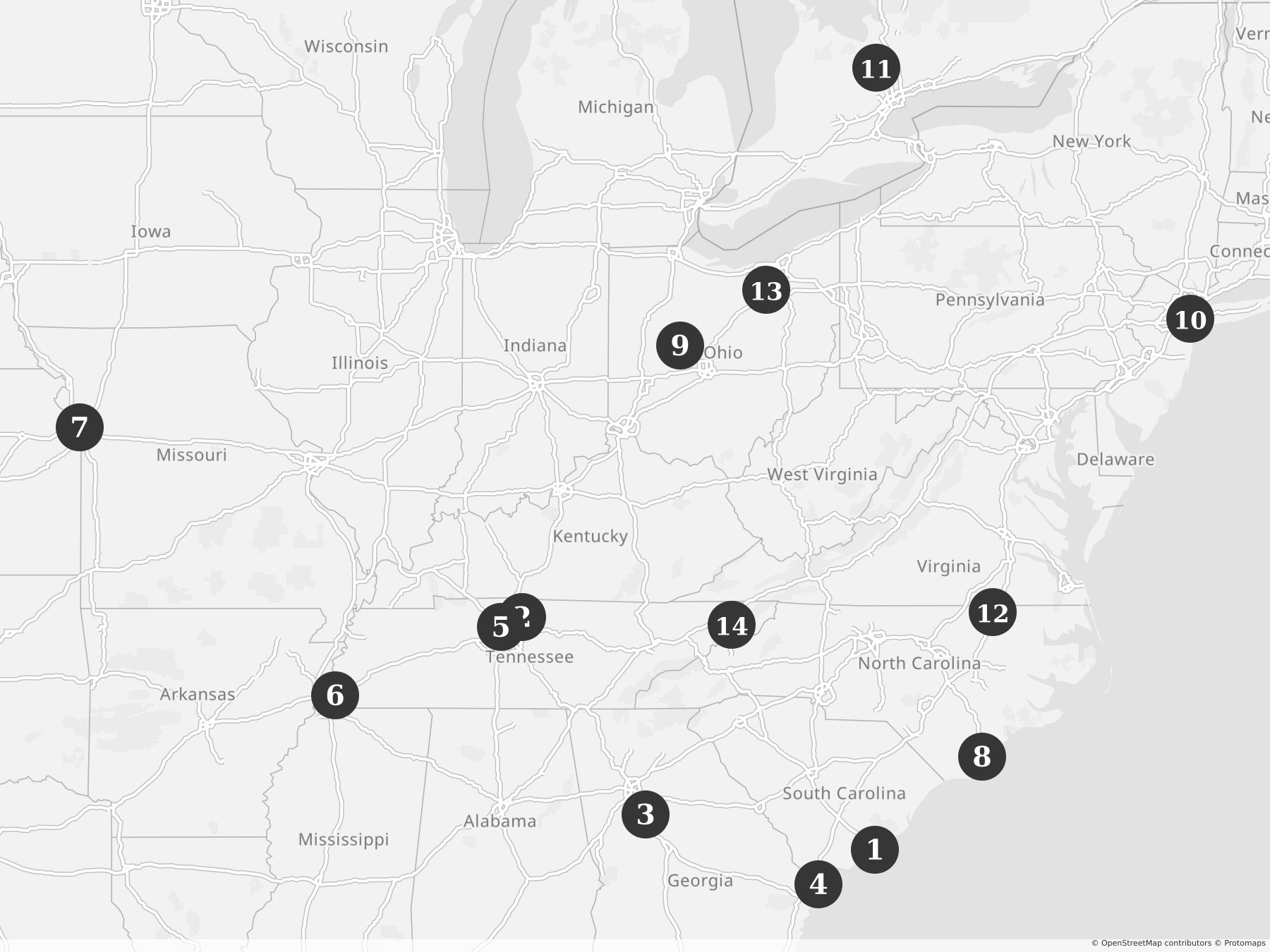
Red Lab Logistics Expands Charleston County, South Carolina, Operations
11/12/2026
Taiwan-Based Acumen Plans Sumner County, Tennessee, Production Operations
11/12/2026
SupplyHouse Plans Locust Grove, Georgia, Logistics Operations
11/12/2026
Italy-Based ERRECINQUE USA Plans Bluffton, South Carolina, Distribution Operations
11/12/2026
RockForce Plans Nashville, Tennessee, Operations
11/12/2026
Peak+ Expands Shelby County, Tennessee, Production Operations
11/12/2026
France-Based OPmobility Plans Riverside, Missouri, Manufacturing Operations
11/11/2026
Corning Incorporated Expands Wilmington, North Carolina, Production Operations
11/11/2026
Honda Plans Union County, Ohio, Manufacturing Operations
11/11/2026
Oppenheimer Holdings Expands New York City Headquarters Operations
11/11/2026
Honda Canada Upgrades Alliston, Ontario, Manufacturing Operations
11/11/2026
Halifax Linen Service Expands Roanoke Rapids. North Carolina, Operations
11/10/2026
Spray Products Corporation Expands Medina, Ohio, Operations
11/08/2026
BWXT Expands Jonesborough, Tennessee, Manufacturing Operations
11/08/2026
Most Read
-
Top States for Doing Business in 2026: Where Competitive Advantage Becomes Project Certainty
Q3 2026
-
Why Great Sites Get Eliminated: The Critical Role of Information Presentation in Site Selection
Q3 2026
-
2025’s Top States for Business: How the Winners Are Outpacing the Rest
Q3 2025
-
New Markets Tax Credits Are Now a Permanent Part of the Deal Stack
Q3 2026
-
Economic Developer Role Shifting from Deal-Making to Systems Stewardship
Q1 2026
-
Industrial Location Decisions Follow the Freight
Q3 2026
-
Reshoring Gains Ground in Defense and Advanced Manufacturing
Q3 2026