U.S. Trade Corridors of the Future

Proposed Infrastructure Investments Along Key Transportation and Supply Chain Routes

Proposed Infrastructure Investments Along Key Transportation and Supply Chain Routes

Investment in infrastructure and intermodal facilities is necessary if the United States is to keep pace with the demands of increasing global trade.


Attention to evolving infrastructure factors, like strong data connectivity, is growing in importance during the location decision-making process.

Through collaboration and the use of IT, companies are greening their supply chains and making a contribution to both environmental and business goals.
Organized labor - in industries that are a vital part of the U.S. supply chain - is worried that the three FTAs currently on the table won't deliver on their promises to create jobs and increase U.S. competitiveness.
1. Use environmental analysis as a catalyst for innovation 2.Focus on a list of suppliers prioritized by environmental impact 3. Manage environmental impacts where they occur-ideally before they occur or get worse...
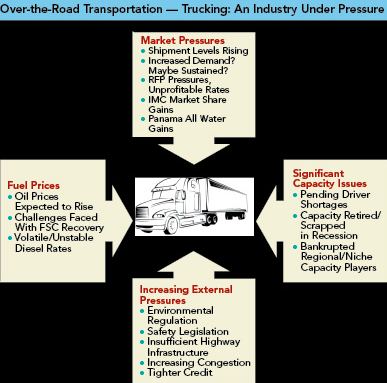

Volatility in logistics variables is creating a paradigm shift and making location decisions much more challenging.


Selecting a new site for a company's facility involves a considerable amount of time and money, but a thorough, expert site investigation is well worth the investment.

The owner, architect, and contractor must work to understand each other's strengths and needs in order to get a facility up and running in the shortest time possible.

As the economy rebounds, access to readily available facility condition information provides a company with a strategic advantage.

While unionized workers typically earn more than their non-union counterparts, some may argue that good labor-management relationships are more important to a company's bottom line.

The Conference Board tells us that its Consumer Confidence Index slipped from 61.7 in May to 58.5 in June. Americans seem worried about the U.S. economic outlook as well as their own future earnings - so they're keeping a close watch on how they spend their money.

Access to comprehensive and accurate facility condition data is critical in making informed facility capital planning decisions.

Harry Moser has founded a movement aimed at convincing OEMs to bring their in-house and outsourced manufacturing back to the United States. The editor of Area Development recently questioned him about this endeavor.

While the Mountain region has greatly benefited economically from its mining, oil, and natural gas production, these states also recognize that they are exposed to energy volatility. Industrial diversification has helped fortify their respective economies.

Like many other states, those located in America's Pacific region are focusing on energy issues to help them stay competitive, productive, and economically stable.
While few states escaped the ravages of the economic downturn, the Plains region fared better than most.

The Midwest region will have to find new ways to capitalize on resources, while creating fresh alternatives in raising revenues and growing jobs..some states are doing just that.
The Southwest States are holding their own in this roller-coaster economy. "Traditional" industries as well as emerging technologies are all part of the mix of solutions they're using to take care of their businesses and citizens now - and plan for the future.
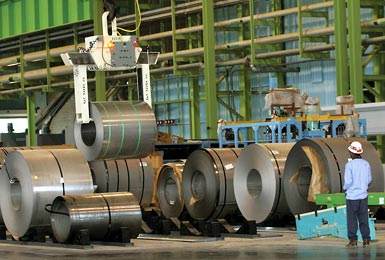

ThyssenKrupp in Alabama and Mitsubishi Electric Power in Tennessee lead a charge of FDI super projects that are helping to buoy cautious optimism and steady but slow economic gains in the southern states.
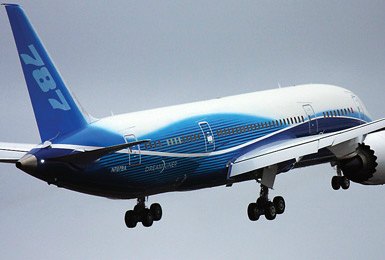
Dr. Jeff Humphreys, director of economic forecasting at the University of Georgia, Terry College of Business, has seen growth activity in temp agencies, healthcare, federal government, defense, transportation and logistics, and professional and technical services.
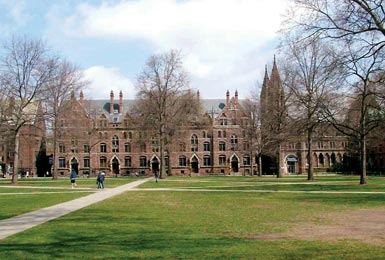

A link that unites the New England States is a highly educated work force. The region is known for its extensive base of universities and colleges that has spawned a world-class research and development community.
Business expansion is picking up across the Mid-Atlantic region as the economy rebounds, and the region's states are busy positioning themselves for even more growth in the future.

The U.S. Department of Commerce has set specific 25-year goals to eliminate this trade deficit and double aquaculture employment. This expansion will provide increased business opportunities for aquaculture equipment and drug manufacturers.
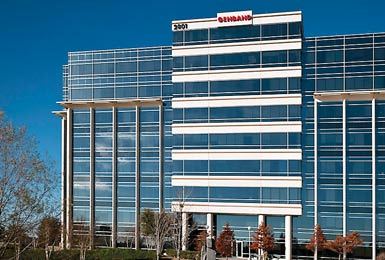
Last June, the U.S. Census Bureau identified Frisco, Texas as the number-one fastest-growing community in America among cities of 100,000 or more. In 2009 Forbes.com named the city as one of the top 10 places to relocate. Why have people and companies flocked to Frisco?
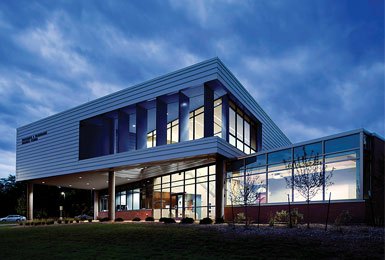

The Bioscience & Technology Business Center (BTBC). It's one of the Midwest's most promising new business incubators, and it has corporate leaders nationwide adding Lawrence, Kan., to their short list of potential business sites.

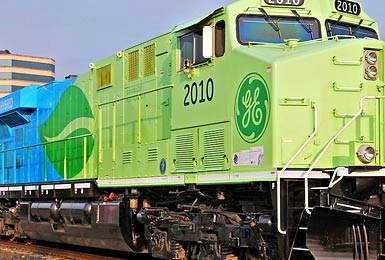
While industry observers predict rail freight activity could double by the middle of the century the United States is building an innovative rail network that can compete globally
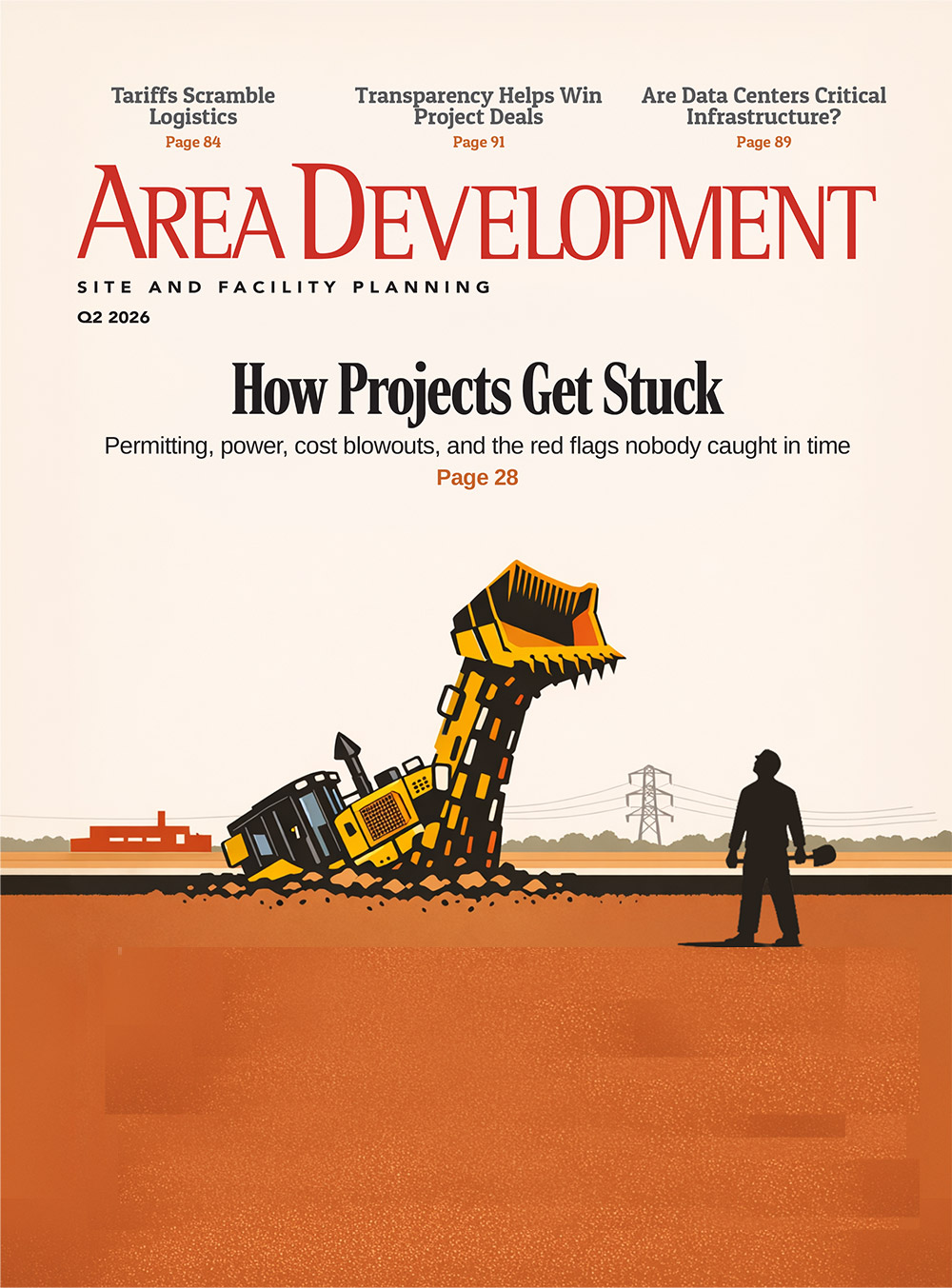
Industry experts from site selection, construction, law, and supply chain consulting weigh in on what's derailing projects in 2026 — and what it takes to keep deals alive.
Top States for Business
Annual Econdev Awards
Corporate Exec Survey Results
Leading Metro Locations