
Land Is the First Filter
Before workforce data is pulled, before incentive packages are compared, before a single site visit is scheduled—land gets evaluated. And increasingly, it eliminates options.
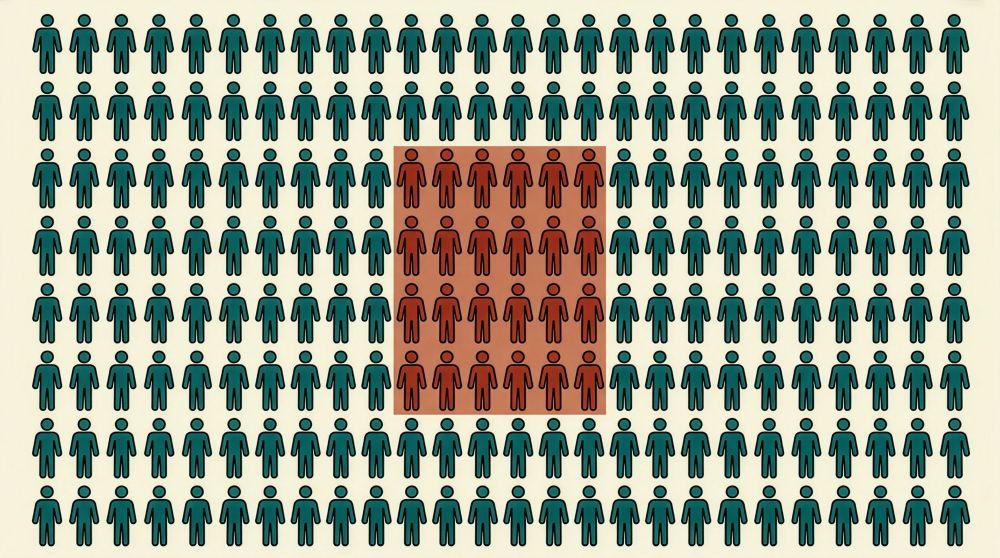
Sites of 1,000 acres or more that are contiguous, shovel-ready, and correctly configured are genuinely rare. For a company evaluating five or six locations, that scarcity can mean that two or three fall out before any serious analysis begins. The question is not just whether land exists—it is whether the right land, at the right scale, in the right condition, is actually available.
Manufacturing Starts with a Process, Not a Parcel
Companies do not begin a site search with an acre count. They begin with a master plan—a spatial layout that reflects their operational logic. Process flow determines where raw materials enter, where finished goods exit, where utilities connect, where expansion adds capacity. That plan must fit on the site.
The configuration requirements are specific: rail access with appropriate grade, setbacks from property lines and neighboring uses, retention systems and drainage, shipping and marshaling areas, easements, environmental buffers, and reserved land for future phases. When a site cannot accommodate that configuration without fundamental redesign, it is not just an engineering inconvenience—it is a project risk that compounds through construction and into operations.
Fragmented or irregularly shaped parcels make this worse. Land assembly introduces coordination risk, title complexity, and cost. Odd geometry drives up earthwork. These are not theoretical concerns; they are budget and schedule items that appear early in construction and rarely resolve cheaply.
The question is not just whether land exists — it is whether the right land, at the right scale, in the right condition, is actually available.
What's Hidden Below the Surface
A site that passes a desktop review can still fail on the ground. Environmental and geotechnical conditions are among the most consequential risks in site development, and they are often not visible until studies begin.Soil instability or contamination can require expensive remediation or redesigned foundations. Jurisdictional wetlands and streams may trigger federal permitting processes that add months—sometimes years—to a timeline. Protected habitats can limit grading and construction zones. Sinkholes and poor soil bearing capacity are discovered late and cost significantly more to address once construction is underway.
For manufacturers with aggressive production schedules, these are not acceptable surprises. Early geotechnical and environmental studies—before site commitment—are not optional expenses. They are risk management.
Regulatory Constraints on Industrial Land
Zoning as industrial does not mean permitted as built. Even on land designated for manufacturing, local regulations may constrain building height, limit noise or emissions levels, restrict operating hours, or impose buffers that reduce usable acreage. Environmental reviews add another layer, and if the project is large enough, public hearings follow.
1,000
Public hearings are where hidden opposition becomes visible. Residents may raise traffic, environmental, or community impact concerns that were not apparent during earlier evaluation. Those concerns, if unresolved, translate into extended permitting timelines, redesign requirements, or project delay at a stage when delay is most expensive.
The Shift from Supply to Certainty
The land conversation in site selection has shifted. The old question was 'Is there enough land available?' The new question is 'Can this site be delivered, at this scale, in this configuration, within the required timeline?'
Those are different questions with different answers. A region can have abundant industrial land and still fail the second test if that land is fragmented, environmentally constrained, or entangled in regulatory complexity.
Sites that can answer the delivery question clearly—with completed environmental studies, confirmed utility capacity, and a realistic permitting path—are worth significantly more than sites that are available but unverified. For manufacturers, the standard has shifted accordingly: if a site doesn't work on paper, at real scale and under real conditions, it will not work in reality.