A Demotion in Sequence, Not in Importance
Workforce availability was once the organizing principle of manufacturing site selection. Companies built their location strategies around labor markets: where were the workers, what were they being paid, and could the regional training infrastructure support the operation over time?
That framework has not been discarded—but it has been repositioned. In the current environment, sites are often eliminated before workforce is evaluated at all. If a location cannot deliver power, cannot accommodate the required land configuration, or cannot demonstrate a credible permitting path, the labor market is irrelevant. Workforce now enters the analysis after those constraints have been cleared.
Availability Is Not the Same as Accessibility
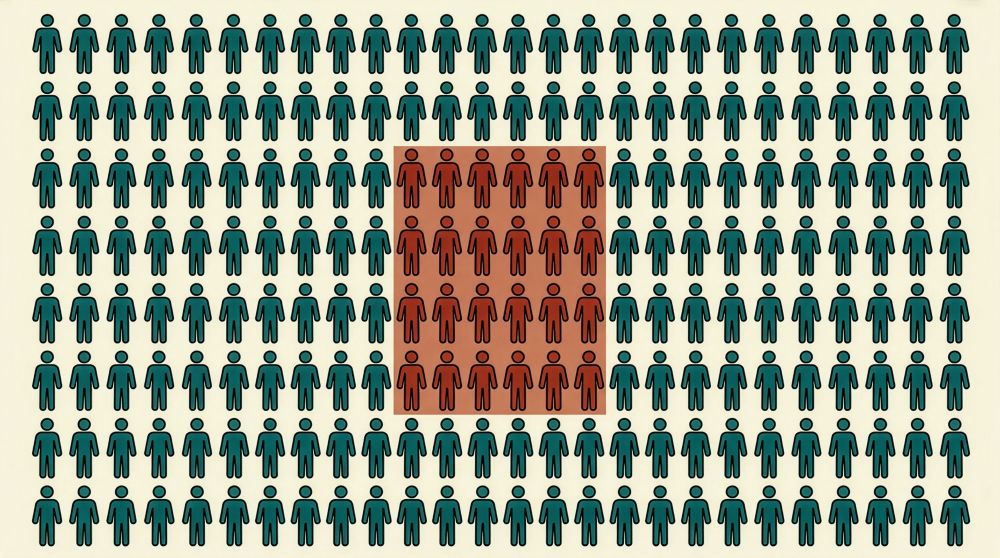
Labor market data can be misleading. Regional employment figures and occupational concentration statistics describe what exists—they do not describe what is available. A region with a strong industrial workforce may have most of that workforce already employed. The relevant question is not how many people have the right skills, but how many of those people are available to a new employer at the wages and conditions being offered.
Competition for talent is often more intense in regions with established industrial bases than in greenfield markets. The manufacturing hub that looks attractive in aggregate may, in practice, require recruiting against multiple established employers who have deeper ties to the local workforce.
Demographics Create Structural Constraints
Workforce planning for a new facility cannot stop at current availability. A plant built today will need to hire, train, and retain workers for 20 or 30 years. Demographic trends that look manageable in the near term can become significant constraints over that horizon.
An aging workforce is the most common structural issue. Regions that have supported manufacturing for decades often have experienced workers who will retire within a project's early operational years. Without a pipeline of younger workers entering the skilled trades and technical roles that manufacturing requires, those retirements create gaps that are difficult and expensive to fill.
Population trends compound the problem. Regions experiencing net outmigration—typically younger workers following economic opportunity elsewhere—face a structural labor challenge that training programs and incentives can address at the margins but cannot resolve at the root.
Training Programs Are Necessary but Not Sufficient
State and regional workforce development programs—partnerships with community colleges, vocational training pipelines, incumbent worker programs—are valuable and worth evaluating carefully. They can close specific skill gaps, accelerate ramp-up timelines, and reduce the cost of building a qualified workforce.
But they require time. A training program that is announced alongside a plant commitment and begins enrolling students in the same year a facility opens will produce its first graduates after the facility needs them. Companies must evaluate whether existing programs are already aligned with their requirements—not just whether programs can be built.
Labor as a Risk Layer
The most accurate way to position workforce in today's site selection process is as a risk layer in a multi-variable assessment. The question is not 'Is the labor market good?' but 'Does the labor market carry manageable risk across the life of the investment?'
That assessment requires looking at current availability, competitive dynamics, demographic trajectory, training infrastructure, and wage trends. It requires modeling what happens in a tight labor market scenario, in a demographic contraction scenario, and in a scenario where a major employer enters or exits the region.
Strong labor markets remain a genuine competitive advantage for the sites that have them. But they earn that recognition by surviving scrutiny, not by being assumed.
Still Essential—Just Not First
Workforce has not lost its significance in site selection. The advanced manufacturing projects driving major investment decisions today—semiconductor fabs, battery plants, EV assembly facilities—are technically demanding in ways that cannot be addressed by training alone. They require an existing foundation of engineering, technical, and skilled trades talent.
That foundation still matters. The shift is in when and how it is evaluated. Power, land, and infrastructure come first. Workforce comes after. For sites that survive the initial filters, a strong labor market becomes a meaningful differentiator. For those that do not, it never gets the chance to be one.