Corporate Executive Survey Analysis: Importance of Available Buildings Drops Due to Glut of Inventory
Winter 2012
When asked, "When do you expect to open new facilities?" the 2011 survey results show no significant change. Almost half (40+ percent) of the responses in 2011 were the same as in 2010, stating that they have no plans to open any new facilities. It appears the majority of companies are still looking for the sign that the economy is really getting better.
The site selection factors of highway accessibility and labor costs continue to hold the top-two rankings in importance. Proximity to major markets gained the most in importance, moving up eight spots to ninth place in the rankings. Availability of skilled labor moved up five spots to be tied for the number-two spot.
These factors all point to the increasing importance of the domestic market. This movement also reinforces the thought that "re-shoring" of manufacturing may be building momentum. Non-U.S. companies are positioning for the U.S. consumer market comeback, and considering distribution, assembly, and even manufacturing investments in the United States.
The two least important factors from the 2011 survey concern port and rail access, which were also the least important in 2010. Proximity to a technical college/training was rated as the third-least-important site selection consideration. I believe that economic development professionals have done a great job at being responsive and providing good training in the majority of areas. This, coupled with high unemployment, has led to the perception that job training and adequate numbers of applicants will be available in most places.
The severity of the recession has created a significant increase in available buildings in the market. This being the case, it is not surprising that the importance of available buildings dropped out of the top 10 to 15th place. Just having a vacant building today is not nearly as advantageous as it was just two years ago.
The reduction in profits over the last few years has also driven the importance of tax exemptions down five spots to eighth position. Not to be confused with state and local incentives (still fifth in importance), tax exemptions are not as valuable when you don't have profits and don't pay taxes.
It is unclear when the turnaround will arrive. When it does, companies are concerned about getting their trucks on the road and where they will find the best technical work force at a reasonable cost. Locations still have time to get ready for the opportunities that are coming.
Recent Project Announcements
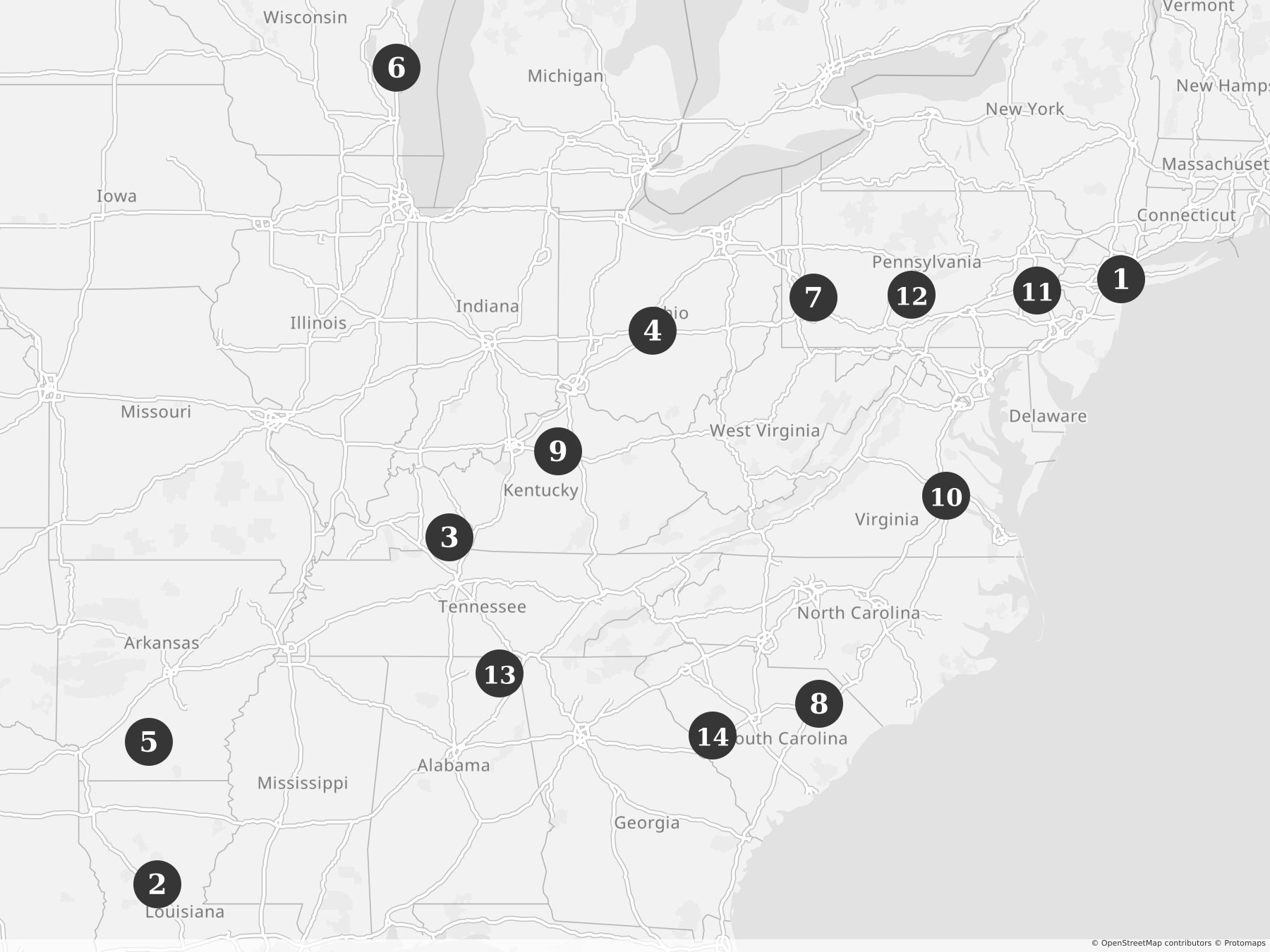
Grow Therapy Expands New York City Operations
11/05/2026
Robinson Carbon Plans Alenandria, Louisiana, Biochar Operations
11/05/2026
ClearFlow Metalworks Plans Logan County, Kentucky, Aluminum Manufacturing Operations
11/03/2026
Forgent Power Solutions Plans Columbus, Ohio, Operations
11/03/2026
Lockheed Martin Expands Camden, Arkansas, Production Operations
11/03/2026
Sartori Company Expands Plymouth, Wisconsin, Production Operations
11/02/2026
Tronix3D Expands Pittsburgh, Pennsylvania, Manufacturing Operations
11/02/2026
South Korea-Based Hwasung Group Plans Florence, South Carolina, Manufacturing Operations
11/02/2026
Japan-Based Nissin International Transport Plans Franklin County, Kentucky, Distribution Operations
11/01/2026
Dominion Packaging Expands Henrico, Virginia, Operations
11/01/2026
Glenmark Pharmaceuticals Plans Allentown, Pennsylvania, Distribution Operations
10/31/2026
Superior Huntingdon Composites Expands Huntingdon, Pennsylvania, Fiberglass Production Operations
10/31/2026
Helix Electric Plans Hollywood, Alabama, Manufacturing Operations
10/31/2026
Amick Farms Plans Edgefield County, South Carolina, Operations
10/31/2026
Most Read
-
Top States for Doing Business in 2026: Where Competitive Advantage Becomes Project Certainty
Q3 2026
-
Why Great Sites Get Eliminated: The Critical Role of Information Presentation in Site Selection
Q3 2026
-
2025’s Top States for Business: How the Winners Are Outpacing the Rest
Q3 2025
-
Space and Defense Are Becoming One Industrial Ecosystem
Q3 2026
-
Economic Developer Role Shifting from Deal-Making to Systems Stewardship
Q1 2026
-
New Markets Tax Credits Are Now a Permanent Part of the Deal Stack
Q3 2026
-
Industrial Location Decisions Follow the Freight
Q3 2026