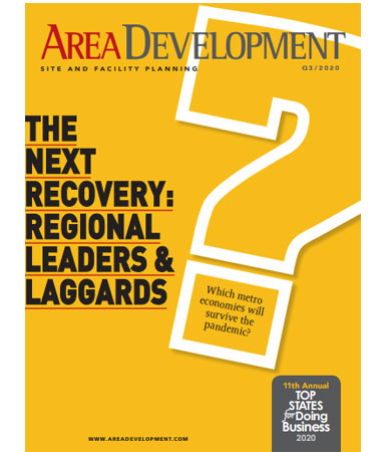

The Next Recovery: Regional Leaders & Laggards
While companies still need a skilled, highly educated workforce, the COVID-19 pandemic and increased reliance on remote working are prompting them to rethink their location decisions.

As companies look to make decisions on ramping up operations post–COVID-19, they can look to data that provide insight on specific locations’ pandemic-related risks.
The pandemic’s effect on workforce, supply chain, and government support will affect your company’s location decisions, increasing risks while also presenting new opportunities.
For companies that want to stay ahead of the pack, now is the time to rethink how they train and empower their employees.
As costs and risks of lengthy supply chains become even more apparent in the wake of the COVID-19 pandemic, more U.S. companies may consider reshoring their operations to the Americas.
The coronavirus pandemic has affected foreign direct investment from Europe, but some positive signs are seen going forward.
In light of the COVID-19 pandemic, companies need to determine if they are at risk of breach of incentives contracts and communicate with the incentive-granting authorities.
Whether it’s workplace layout, remote working, diversity training, or bringing in foreign workers, these are just some of the issues companies will need to navigate in this “new normal” of work.
In light of the global pandemic and subsequent rise in e-commerce, companies are re-examining their supply chains, inventories, and necessary warehouse/distribution space.
The administration’s freeze and restrictions on visas for foreign workers may only exacerbate the economic crisis brought on by COVID-19.
Safety concerns must be balanced with the benefits of a vibrant workplace culture.
With technology infiltrating almost all aspects of our lives, more and more data needs to be processed and stored.
The landscape of industrial last-mile facilities and distribution centers is expanding and diversifying.
Investing in the nation’s infrastructure can provide an immediate economic boost and create jobs, but its greatest value lies in supporting economic competitiveness over the long term.
Several modest changes to indemnification provisions will limit a company’s potential unforeseen future exposure.
A location that can accommodate both a company’s logistics and talent supply chains will enhance its prospects for long-term viability and growth.
Advanced Project Planning (APP) has evolved to address many of the challenges related to the fast pace of design and construction that is increasingly common.
Receive quarterly issues of Area Development Magazine at no charge for qualified executives and consultants to industry.
Corporate Exec Survey Results
Leading Metro Locations
Top States for Business
Annual Econdev Awards