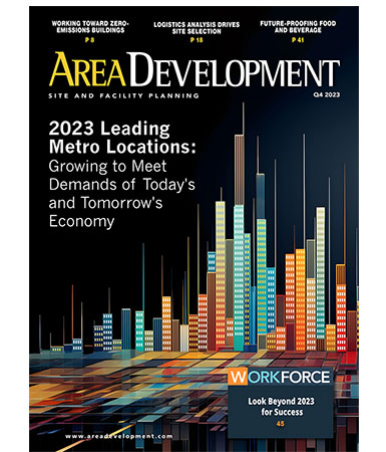

2023's Leading Metro Locations: Hotspots of Economic Growth
The leading metro areas are those poised for long-term growth and are often hubs of high-tech industry, where workers may benefit from an affordable cost of living.

It seems that face-to-face meetings with community leaders and anecdotal research about a prospective location are back in style again as companies make location decisions.
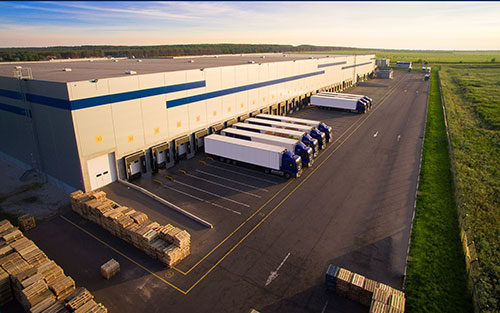
Finding the optimal site for a logistics facility often involves trade-offs between transportation, labor, and real estate costs, which may be lowered by incentives offered, as well as the need for speed to market.
A data-driven approach, enabled by AI and other technology, is enabling those charged with site selection to make better informed decisions that will allow their companies to thrive.
Access, utilities, workforce, regulatory issues and future-proofing are all key considerations for choosing the right location for a long-term investment.
Real estate, labor, and transportation needs must be considered by companies considering a clustering strategy if they are to reap its full benefits.
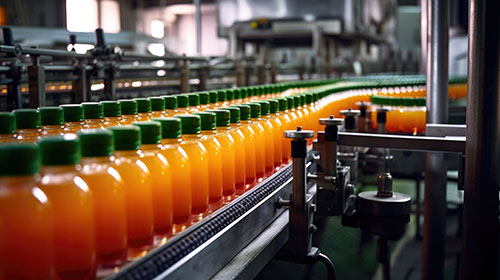
Workforce skills and availability, the need for speed to market, and the condition of existing infrastructure are all key factors in food and beverage companies’ location decisions.
With a worker shortage that seems destined to persist, employers are turning to AI/automation and upskilling, while also realizing that comprehensive immigration reform is necessary to fill gaps in the labor force.
All stakeholders working in unison will benefit the environment while also resulting in positive business outcomes.
With the right planning, investors and occupiers have a unique opportunity to reshape the future of the U.S. and Americas-wide manufacturing sector.
The use of AI is driving a surge in demand for computing power and the development of more data centers, which, in turn, have an increasing need for reliable power and water.
Found in both urban and rural areas and often with infrastructure in place, brownfield sites can be revitalized and reused with the proper remediation plan in place.
Reducing the use of fossil fuels in industrial processes will help cut costs while reducing GHG emissions.
Creating an exceptional business environment to attract certain industries can be a daunting task for any community’s leaders. However, it can be done with focused introspection, research, and strong partnerships. Area Development’s staff editor Lisa Bastian asked Michael Flynn, senior director of Economic Development at Destination Medical Center (Rochester, MN), for his ideas on ecosystem formation.
Receive quarterly issues of Area Development Magazine at no charge for qualified executives and consultants to industry.
Corporate Exec Survey Results
Leading Metro Locations
Top States for Business
Annual Econdev Awards