How Can Big Data Enable More Efficient and Effective Location Decisions and Planning?
Opportunities and challenges present themselves in harnessing the analytical power of internal and external data.

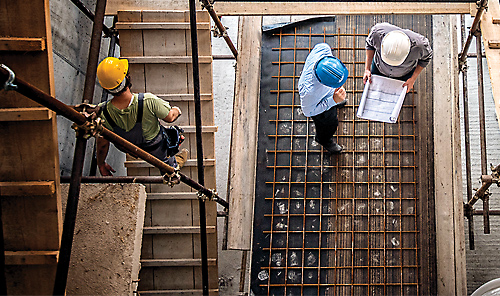

Early commitment from buyers and all stakeholders is imperative to a successful modular construction project, which can deliver on cost savings and shorten timelines.
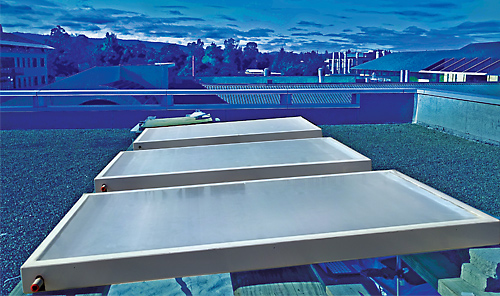

Technology’s radical transformations of industry are changing not only company operations but also how sites are selected.


Irrespective of their size, the strongest markets for financial technology companies have a workforce that aligns to best serve all distinctive skill set and cost requirements.


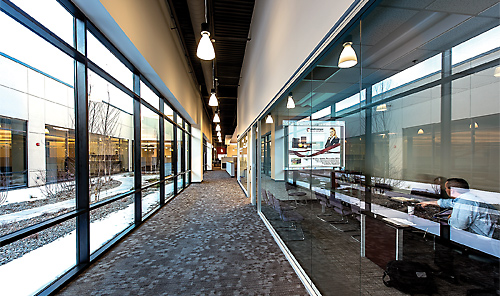
Businesses that utilize technology to ensure their corporate headquarters are ready for the future will realize productivity, economic, and other gains.

A site’s existing conditions, zoning regulations, and surroundings are just some of the elements that must be considered in order to turn the site into the ideal location for your project.
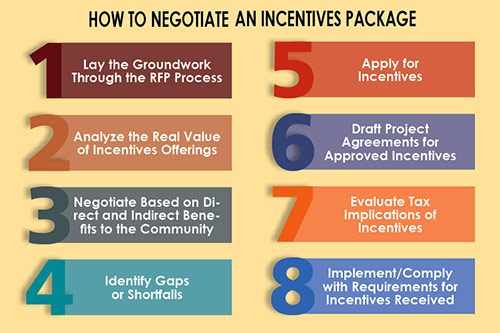

When selecting a site for your next U.S. capital investment, keep in mind that incentives alone won’t transform a bad location into a good one. However, a good incentive package can improve a project’s bottom line and solve site-related issues.

Companies are dealing with a deluge of data, but only necessary data should be collected and, importantly, it needs to be analyzed in order to be useful.

Support for fab labs in high schools, trade schools, and community colleges will increase the number of workers with the skills manufacturers want, thereby creating a “new collar” workforce.


Although unions’ influence in the U.S. has diminished over the last four decades, they are still playing a key role in manufacturing and, more recently, the distribution sector.

Only one city can win the project, leaving the losers to explain why they were so heavily invested in trying to land the HQ2, which may ultimately come with its own set of challenges.

Governments and corporate site selectors alike should consider whether sometimes overly generous tax incentives are the best way to align their goals.


Companies that institute family-friendly workplace policies will be more successful in recruiting and retaining the skilled talent they need, leading to a more robust performance for themselves and the overall economy.
Rail development has driven economic opportunity across the United States, opening up new markets and efficiently moving freight.

Organizations that encourage and foster innovation — at all levels — will stay ahead of the curve.
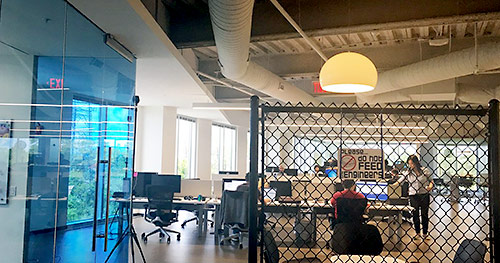

Although Orlando already has a labor pool possessing STEM skills, it continues to build that resource through a collaboration between its educational institutions, the tech community, and government.
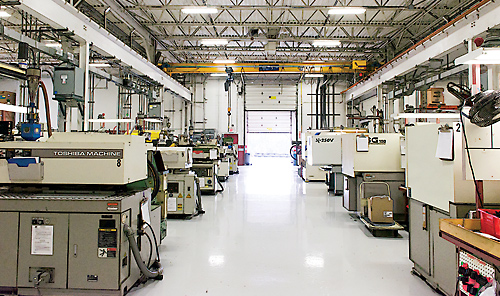
With U.S. natural gas costs being so low, the U.S. plastics industry continues to grow, while keeping an eye out for supply chain challenges brought about by changes in trade policy.
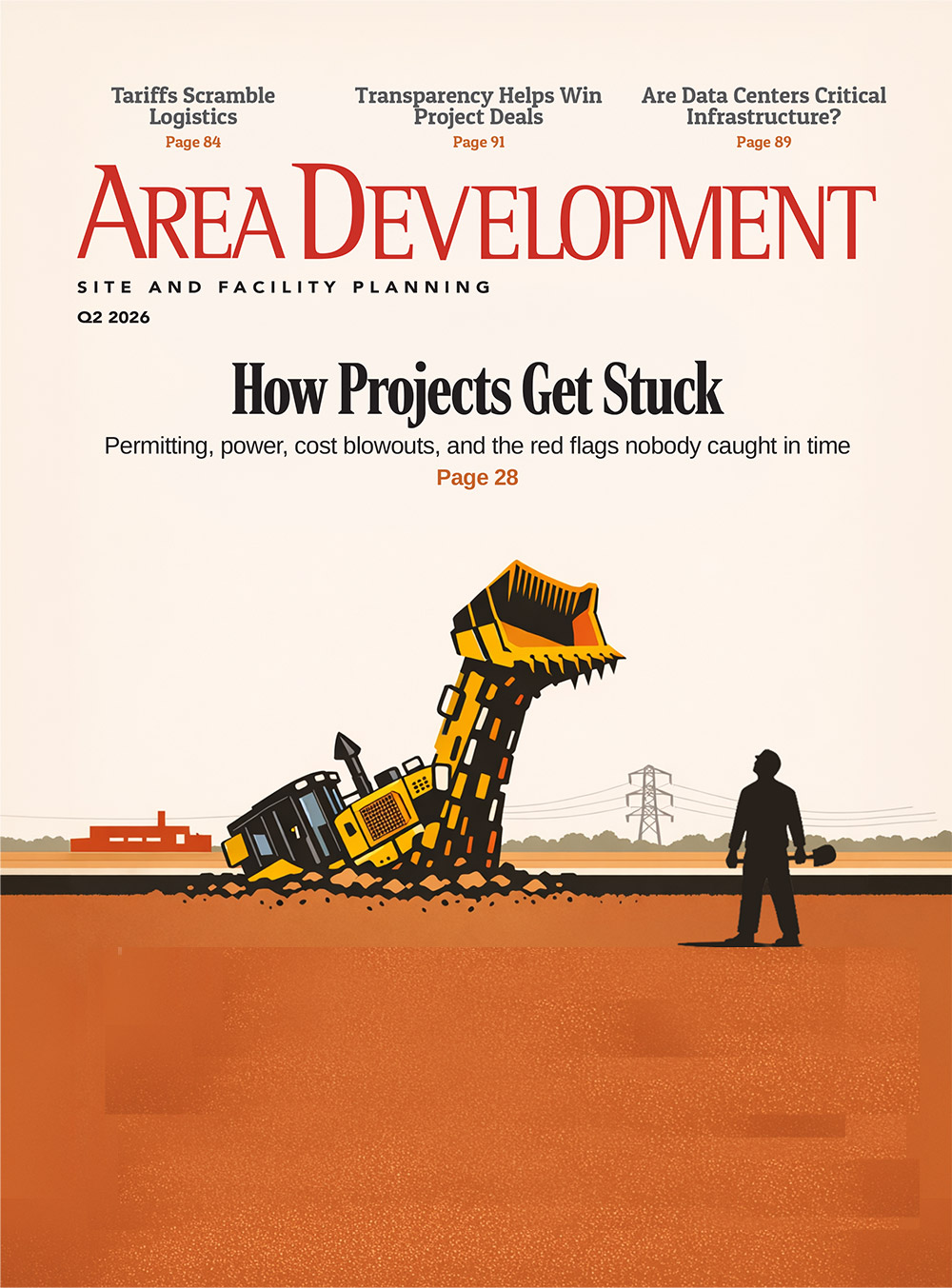
Industry experts from site selection, construction, law, and supply chain consulting weigh in on what's derailing projects in 2026 — and what it takes to keep deals alive.
Top States for Business
Annual Econdev Awards
Corporate Exec Survey Results
Leading Metro Locations