
The Art and Science of Assessing the Labor Market
Only through a combination of data analysis (the science) and labor interviews (the art) can a company be sure of choosing a location where its workforce needs are satisfied now and in the future.

A process-driven approach to site selection and incentives — including a formal RFP, informed narrative, and economic impact analysis — produces optimal results.
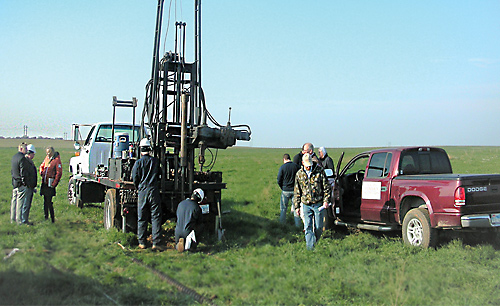
By carefully examining site conditions/logistics, environmental regulations/risk, as well as the area surrounding the chosen site, companies can avoid delays and cost overruns.
Incentives can help companies improve the ROI of environmental sustainability initiatives.
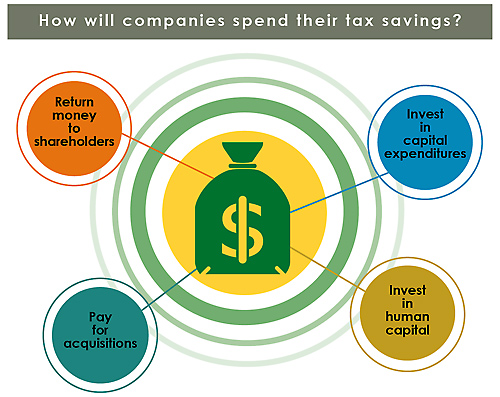
The new tax law will provide U.S. manufacturers with additional cash, but they must still align their investment decisions with corporate growth strategies.
A new niche is forming in the industrial sector which needs to be near existing “brain clusters” of the targeted industry and may require sites zoned for multiple uses.
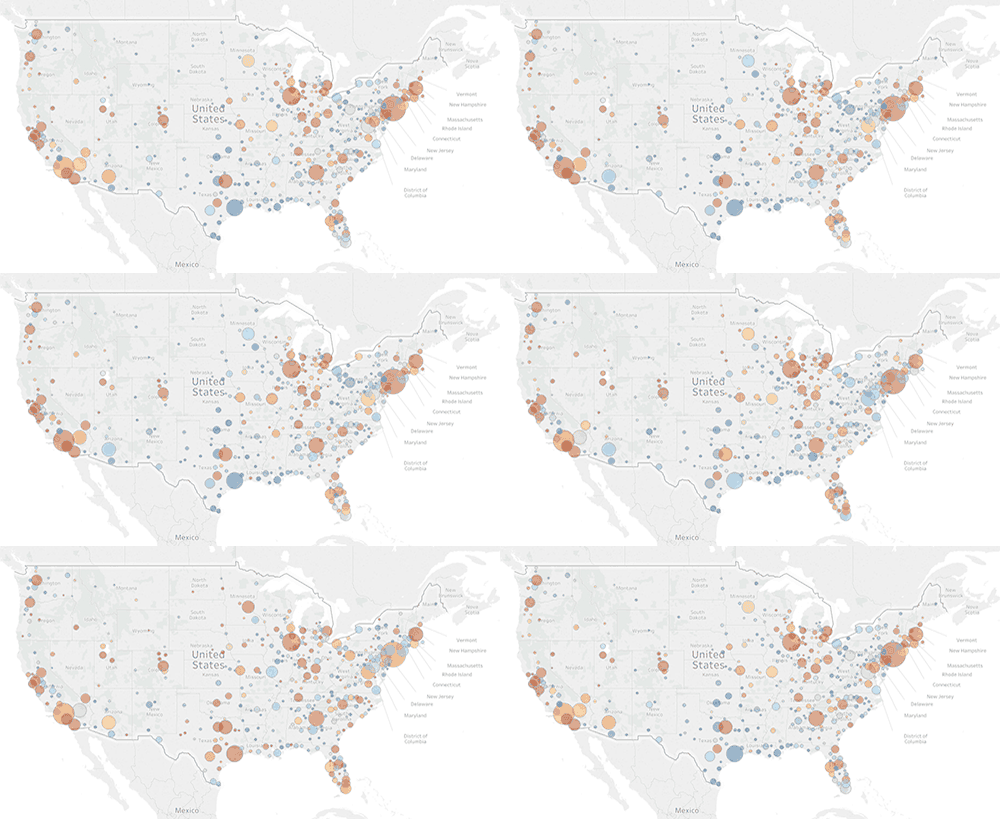
The 2018 Leading Metro Locations reflect the nation’s overall economic growth as the country enjoys the second-longest economic expansion on record, with many small and mid-size metros exhibiting economic strength.
The state of Texas continues to gain accolades for its pro-business environment, which is sustained by its skilled workforce, low taxes, favorable regulatory environment, and deal-closing funds among other attributes.
More than 200 projects across multiple states brought with them the promise -- in total -- of thousands of jobs and billions of dollars in investment.
Companies in emerging industries need to feel they are working in partnership with the developers/landlords who are trying to attract them to their properties.
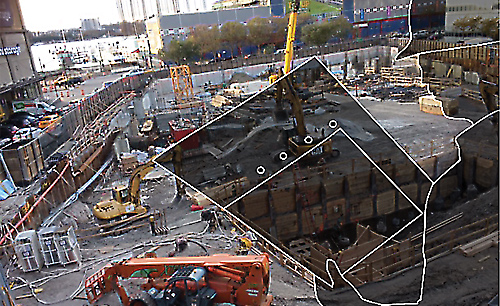
As construction labor market tightens, will project deadlines slip?
Policy and legislative changes may cause business leaders to hesitate before making their next move.
The recently enacted tariffs on steel and aluminum have created an uncertain investment climate for both domestic and foreign firms, causing companies to rethink their supply chain strategies and put their expansion plans on hold.
In order to be close to their target markets, e-retailers are locating warehouses in urban locations and taking advantage of these densely populated areas’ built-in employee bases.
Area Development recently asked Jack Uldrich, a global futurist and author, about today’s disruptive technologies and what business leaders need to do to stay ahead of the curve. Uldrich frequently speaks about technology, change management, and leadership to Fortune 100 corporations, venture capital firms, associations, NGOs, and government bodies around the world.
It’s hoped that the TCJA will lead more foreign companies to invest in the U.S., but this will impose an additional strain on a limited labor supply.
While to some companies less stringent EPA regulations can be an advantage, submitting to the lowest environmental standards carries costs of its own.
Across the Midwest, new life is being breathed into old industrial facilities that are becoming home to IoT incubators, office space, and other mixed-use development.
Businesses that use steel and/or aluminum need to understand how the recently enacted tariffs will affect their supply chain as well as their bottom line.
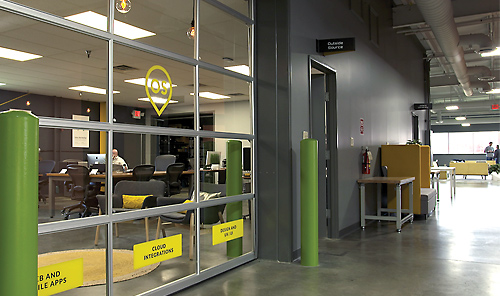
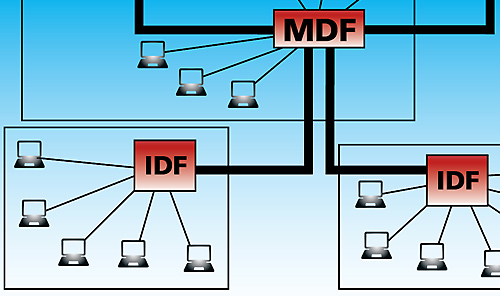
Technology infrastructure needs to be incorporated into facility plans before design work is done in order to avoid busting the budget.
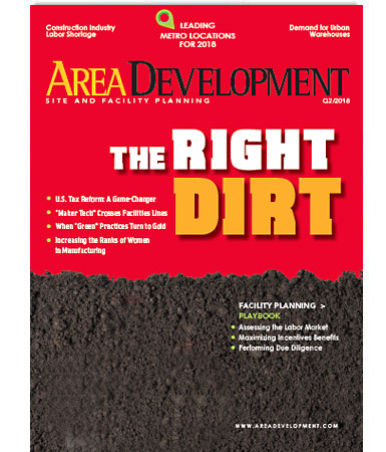
Receive quarterly issues of Area Development Magazine at no charge for qualified executives and consultants to industry.
Corporate Exec Survey Results
Leading Metro Locations
Top States for Business
Annual Econdev Awards