
E-Commerce Growth Surge Sparks a Logistics Free-For-All

Delivering on consumer demands poses a challenge for real estate and supply chain decision-makers.
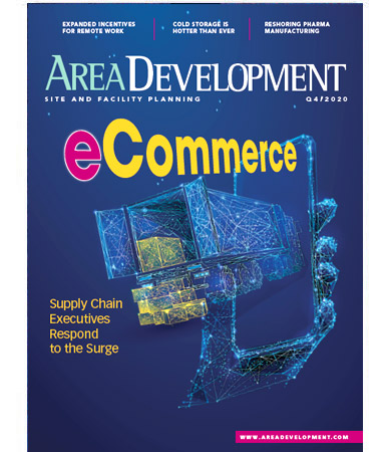
Delivering on consumer demands poses a challenge for real estate and supply chain decision-makers.


Supply chain executives at XPO Logistics discuss the surge in e-commerce, which is going to play out for a long time to come.
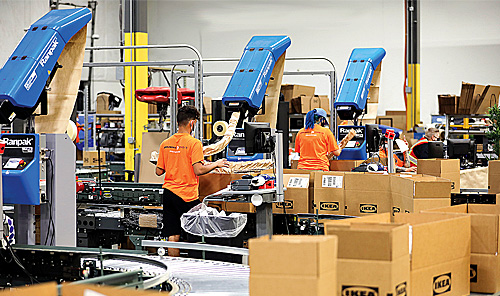

The COVID-19 pandemic has accelerated the rise in e-commerce and created opportunities for fulfillment jobs, along with a need for increased automation and training.


Future-proofing, building vertically, and mixed-use product integration are three trends that will shape the design of industrial assets for years to come.
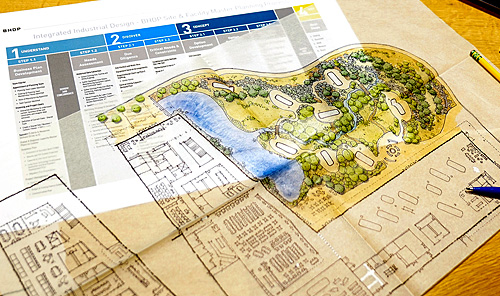

Don’t attempt a manufacturing site and facility master plan without these “must haves.”


Local economies are benefitting from adding new jobs — whether those jobs are performed on-site or remotely — and they are incentivizing them, too.
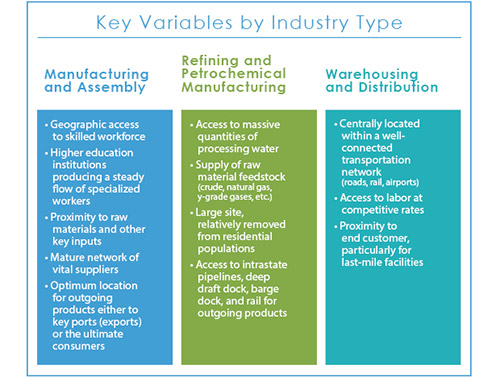

After an internal assessment of the company, the location team should focus on key success variables, appropriately weighted, and consult with needed subject matter experts.
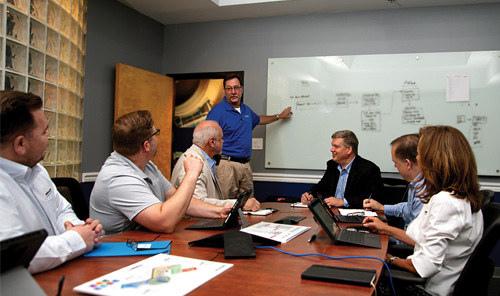

A collaborative approach to re-evaluation of delayed capital projects is in everyone’s best interest.


The global pandemic has accelerated changes occurring in the food and beverage industry, with a heightened focus on worker and consumer safety and automation technologies.


As new food plant construction continues in 2020, companies must take into account the factors most critical to their bottom line in order to maintain profitability for the life of the facility.
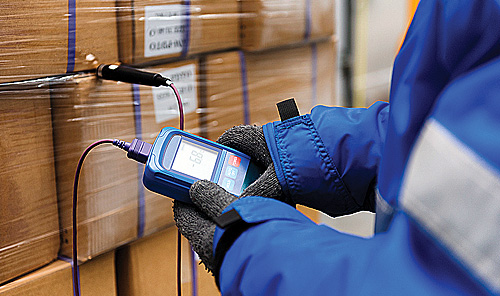

The Covid-19 pandemic has illuminated challenges and opportunities for both investors and occupiers of cold storage space.


Venture capital groups are raising money to invest in U.S.- based infrastructure for large-scale bio-therapy manufacturing, the need for which was highlighted by the COVID-19 pandemic.

With global vulnerabilities in the supply chain and the ever-changing landscape of the “new normal,” pharma industry leaders need to have a clear map for the road ahead.
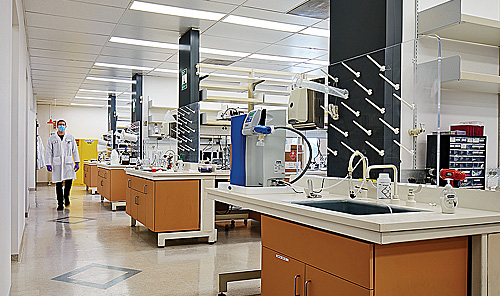

As life sciences firms look to ramp up production, many are considering redevelopment of sites formerly put to other uses.

Michelin’s Director of Business Intelligence and Analytics Rick Williams recently answered questions posted to him by Area Development’s editor about fulfilling a company’s workforce needs in these unprecedented times.
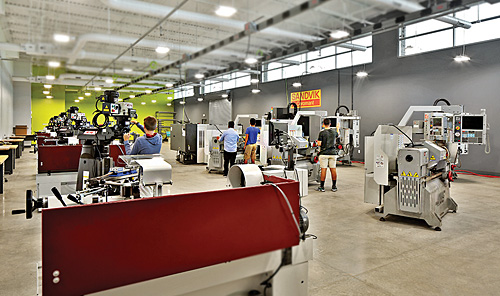

Companies and communities must continue to invest in and destigmatize vocational training in order to bridge the manufacturing skills gap.
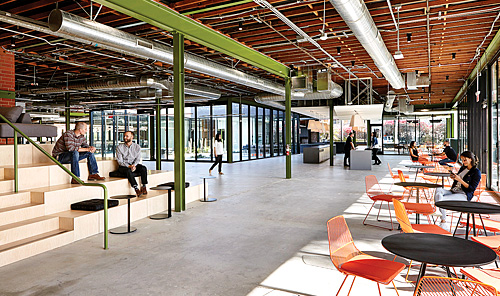

Outdoor collaboration zones can provide workers with a sense of safety and return to “normal” in a post-COVID-19 world.

Locations that invest in resilience measures against climate change and catastrophic weather may be more attractive to investors.
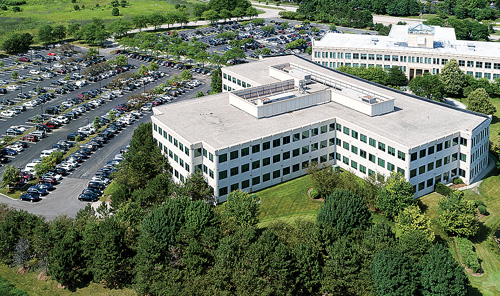

Allowing employees to continue to work remotely and possible moves to the less densely populated suburbs are among the factors that will affect corporate real estate in 2021.

Area Development interviewed Brian Corde, Managing Partner, Atlas Insight LLC, at our Houston Consultants Forum. Our discussion covered how companies are devising and meeting their corporate social responsibility commitments.


Although a company may want to keep its project information confidential when negotiating incentives, public records laws often require governmental transparency.
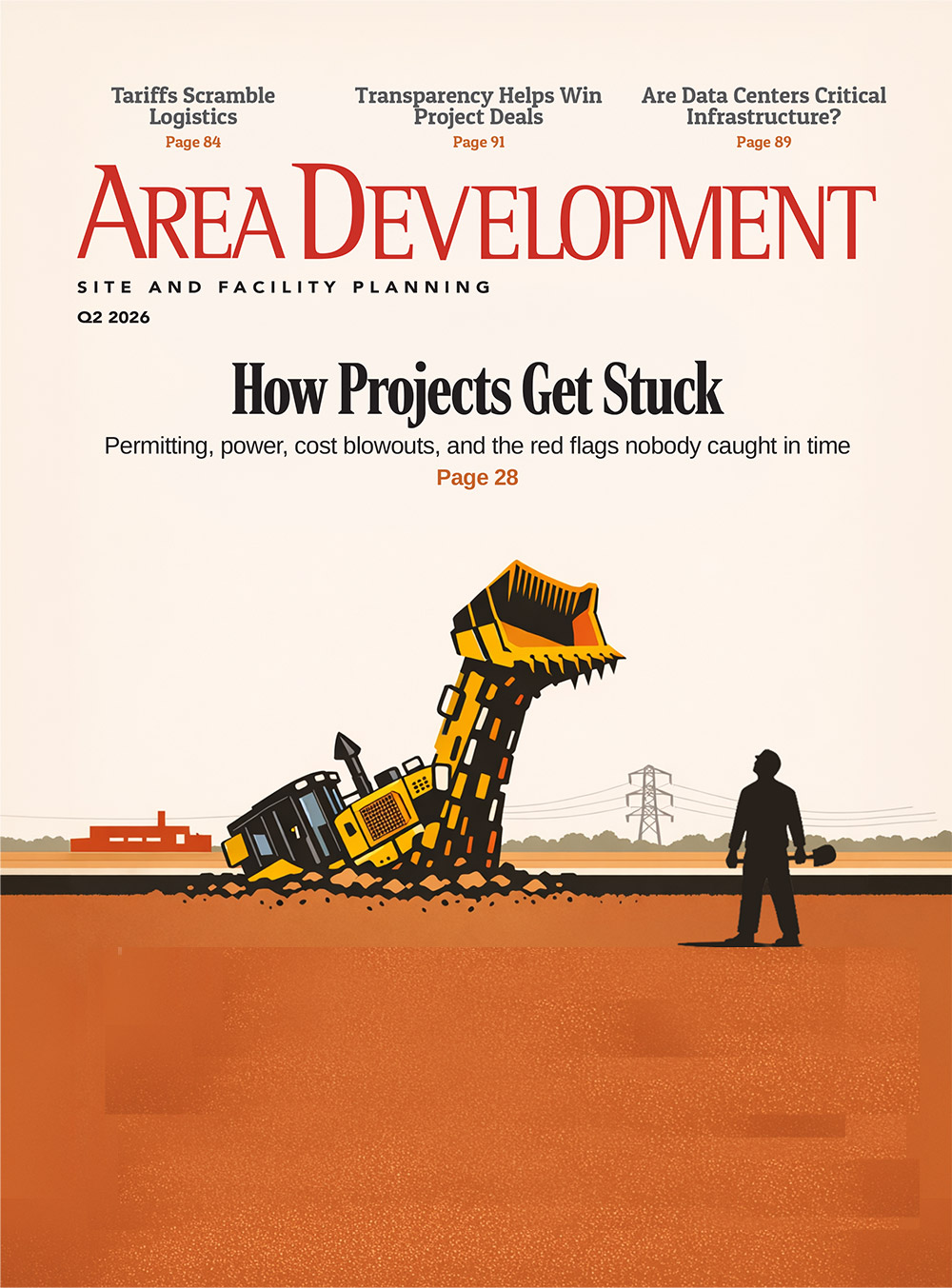
Industry experts from site selection, construction, law, and supply chain consulting weigh in on what's derailing projects in 2026 — and what it takes to keep deals alive.
Top States for Business
Annual Econdev Awards
Corporate Exec Survey Results
Leading Metro Locations