
Leading Metro Locations


Recent Features
Editor's Note: The Year Site Selection Grew Up
Energy availability takes center stage as companies compete for grid capacity and rethink growth strategies
2024's Leading Metro Locations Methodology
2024's Leading Metro Locations Commentary: Amy Gerber
The 2024 metro rankings reflect a number of small metros that have successfully attracted industrial projects in the last five years.
2024's Leading Metro Locations Commentary: Chris Chmura
Nearly four years after COVID locked down the U.S. economy, the top 50 Leading Metro Locations in 2024 still depict the ripple effect of the shift to remote work.
2024's Leading Metro Locations Commentary: Kathy Mussio
Simply put, companies want to locate and expand in places where people want to move to and live.
2023's Leading Metro Locations Methodology
Commentary: The 2023 Top Metros Show a Stark Shift in Regional Preferences
As employees continue to work remotely post-pandemic, small regions with lower living costs moved up in the rankings.
Commentary: Metros With Solid Prime Workforces Garner Significant Investment
Small and medium-sized metros with a pipeline of educated workers at a competitive cost are attracting companies looking for long-term growth.
Commentary: Top Metros Provide Educated Workforces and High Quality of Place
This scorecard clearly shows that the landscape of workforce trends across the United States is intricate, diverse, and highly localized.
Global Innovation Hubs: Markets Driving the Future of Business
Area Development interviewed David Hickey, Managing Director, Hickey & Associates, at our Houston Consultants Forum. Our discussion covered the factors that go into the making of a global innovation hub.
Mid-size Markets Competing for Business and Winning
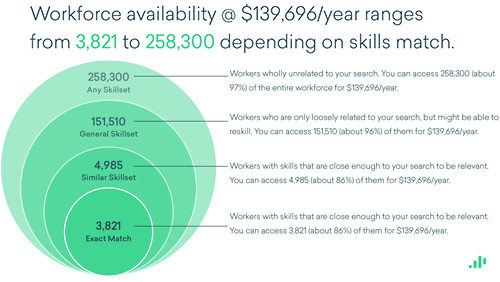
Workforce availability with the necessary skills and local partnerships are two trends driving investment to mid-size markets.

Investment Follows Talent to Mid-Size Markets
The affordability of mid-sized communities has made them attractive to tech-savvy workers who, in turn, are drawing business investment to those locales.
Revitalized Cities: Which Locations Have Outperformed and Why?
Many locations that saw economic contractions have been able to revitalize themselves by instituting pro-business policies, developing innovative workforces, and drawing the right industry mix — sprinkled with a little bit of luck!
South and South Atlantic Metros Emerge as Leading Locations
A focus on workforce has placed metros in the South and South Atlantic regions among this year’s leading locations, although past metro leaders still make an appearance.
In the Search for STEM Skills, Look to the Data
Companies can use available data to find the locations that best fit their needs, especially the requirement for a workforce with STEM skills.
A Tale of Demographics
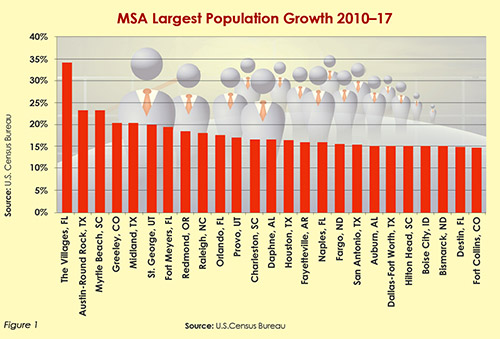
Growth has been concentrated in the Southern and Western regions of the U.S., although rising costs are becoming a concern.
2019 Leading Metro Locations: Pacific and South-Atlantic Metros Dominate the List
Metro areas that are hotbeds of technology lead the pack, joined by others showing manufacturing prowess, which has a large economic ripple effect.
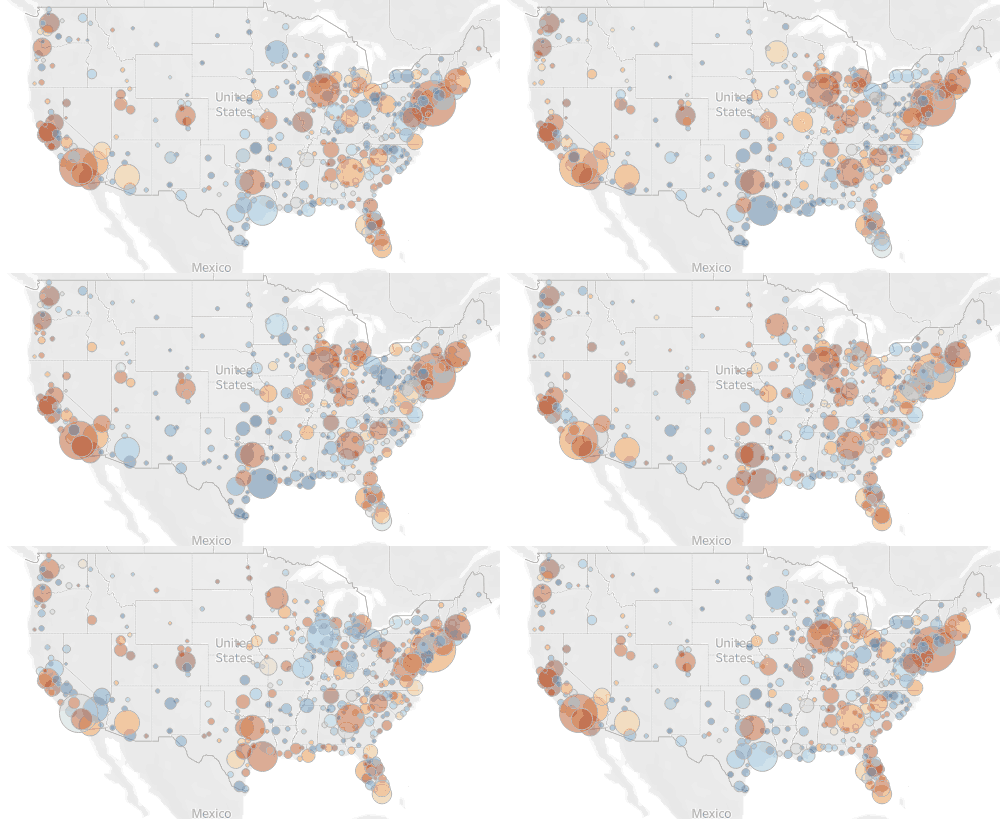
Mid-Sized Urban Markets Compare Well with Mega-Cities
With their economic vitality and lower cost of doing business compared to their mega-city counterparts, growing mid-sized urban markets are succeeding in retaining and attracting high-wage jobs.
Explaining the Emergence of Smaller and Western Metros
With fast-growing populations and diverse economies, states in the West and Mountain region are showing significant economic growth, while smaller metros are benefitting from their larger urban neighbors’ spillover effect.
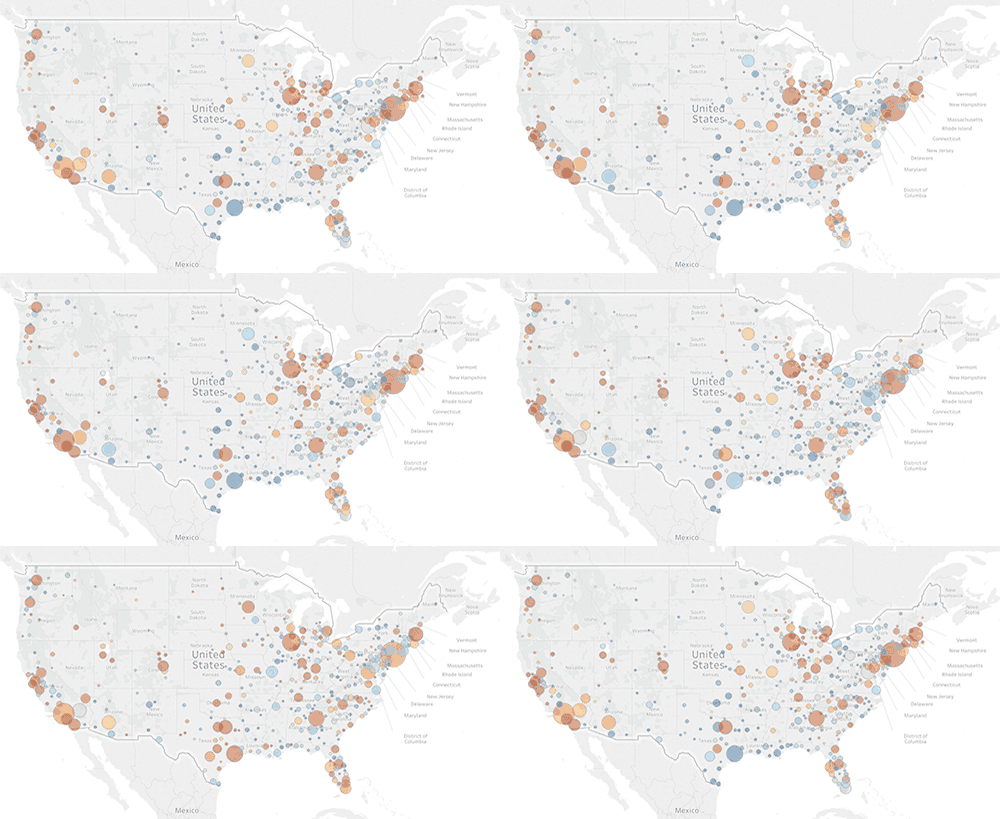
2018 Leading Metro Locations: Pacific and Mountain Metros Dominate the List
The 2018 Leading Metro Locations reflect the nation’s overall economic growth as the country enjoys the second-longest economic expansion on record, with many small and mid-size metros exhibiting economic strength.
Tech Firms Find New Opportunity in Emerging Hotspots
“Hidden gems” like Sacramento and Albany are winning more industry interest thanks to affordable, talent-rich ecosystems.
Leading Locations for 2017: West Coast "Tech" Cities Top List, Smaller MSA's Show Workforce Chops
It’s not surprising to see larger MSAs at the top of the list due to their economic diversity and advantages of scale. But, mid-size and small cities built upon clusters that are in high demand, and where a prime workforce exists, can also be economic powerhouses.
The Select Few Metros Where Wages Are Really Growing
A recent analysis from Emsi suggests that the labor market might not be as tight as the data shows — or at least not tight enough for businesses in aggregate to significantly drive up wages.
The Reasons Corporate Headquarters are Heading Back Downtown
In order to lure tech-savvy millennials, many companies that years ago moved out to the suburbs are heading back to the urban downtowns that offer the lifestyle this generation of employees desires. And the trend isn't confined to just North America’s biggest cities.

Regional Talent Attraction Study Results: It’s Not All About Core Cities
As many regions have become equally or more concerned with supporting existing companies than with recruiting new businesses, attracting and retaining talent has become a focal point. Which counties are standing out with high net migration and skilled job growth?
Leading Locations for 2016: A Closer Look at the Top MSAs
San Francisco-Redwood City-South San Francisco ranks first overall, followed in the remaining top-10 spots by Napa, Grand Rapids-Wyoming, Columbus (IN), San Jose-Sunnyvale-Santa Clara, Portland-Vancouver-Hillsboro, Bend-Richmond, Denver-Aurora-Lakewood, Reno, and Anaheim-Santa Ana-Irvine.
Leading Locations for 2016 Commentary: Rankings Not Sufficient to Complete the Site Decision
Although the rankings of Leading Locations are valuable in making comparisons between locations, detailed, primary information — understood within the context of a specific project — is necessary to complete the site decision.
West’s Economic Lead is Tested in 2016
The Southeast is now vying with the West for the top spot for employment growth. The West is still clearly the leader, but job growth along the South Atlantic coast and in the East South Central — from the Gulf up to Kentucky — has accelerated in recent months.
Leading Locations for 2016 Commentary: Diversity of Leading Cities Reflects Commercial Real Estate Demand
The diversity, both in terms of size and geography, of the leading cities mirrors a booming industrial expansion that has been more broad-based than previous expansions.
Leading Locations for 2016 Commentary: Small and Mid-Size Cities Dominate
There are currently 13 small- to mid-sized cities in the top 20 for Economic Strength, while in 2015 there were only 8 in the top 20. That is a 62 percent increase.
Leading Locations for 2016: San Francisco-Redwood City-South San Francisco Ranks First Among MSAs
For the sixth year, Area Development has tackled the question with a multifaceted approach that crunches a wide variety of data to arrive at rankings in four vital factors — Prime Workforce, Economic Strength, Year-Over-Year Growth, and Five-Year Growth.
New Tech Havens Bloom as Digitization Transforms U.S. Economy
The fluidity of digital innovation - and its lack of dependence on a traditional industrial infrastructure - means that tech havens are blooming in newer magnets where tech-savvy workers are prevalent, ranging from Ann Arbor, Michigan to Richmond, Virginia.

Beyond Silicon Valley: Promising New Tech Boomtowns
In its quest for lower costs, modern facilities, and access to talent, the booming tech sector is finding it can strike gold outside California.

High – Speed Network Locations
Cities across the nation are installing high-speed fiber-optic networks for their own institutional purposes, with the added benefit of attracting growing companies.

Emerging Clusters Take Up the Technology Challenge
Rivaling the reigning tech hubs, city and state leaders are seizing opportunities to grow their cutting-edge electronic and digital sectors.
Leading Locations for 2015: Creating a Track Record of Economic Success, Denver-Aurora-Broomfield Ranks First
Area Development analyzed economic and workforce data for 373 MSAs to determine which U.S. cities are creating jobs and nurturing sustainable economic development. The results of the Leading Locations 2015 study clearly reflect the strength of the western half of the United States: eight of the top-10 MSAs are in the West — three in Colorado, two in California, two in Texas, and one in Washington State.