Will Guidara didn't set out to run the world's best restaurant by perfecting the food. He got there by paying attention to the people eating it.
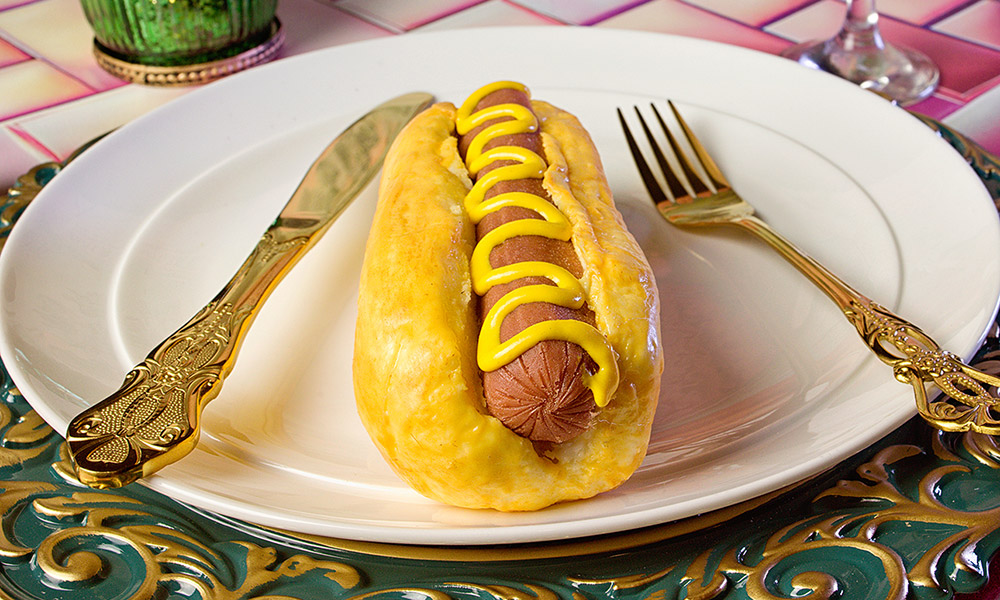
The story at the center of his book Unreasonable Hospitality is by now well known in certain circles: a couple near the end of their meal mentions they never got around to eating a New York City street hot dog. Guidara runs outside, buys two, convinces a reluctant chef to plate them, and serves them tableside at one of the most decorated restaurants in the world. The dish was unlike anything the kitchen's technically masterful dishes had ever produced. Because it wasn't about the food. It was about being heard.
Guidara calls that a "hot dog moment" — the unexpected gesture, specific to one person, that turns a transaction into a memory. The concept translates directly to economic development, and the organizations that understand it are quietly outperforming the ones that don't.
The hot dog moment turns a transaction into a memory.
The 95/5 rule is a useful companion framework. Guidara's idea is that 95% of the work should be executed with rigorous discipline — every data response accurate, every site visit coordinated, every follow-up prompt and specific. That discipline is what creates the budget, literal and figurative, for the other 5 percent. The 5 percent is where creativity lives. It's where the spoons go — Guidara once blew his entire discretionary budget on a set of outrageously expensive ice cream spoons for a MoMA pop-up. They became the thing everyone talked about. Not the ice cream. The spoons.
In economic development terms, the 5 percent looks different every time, which is exactly the point. It's a team that assembles a full-day itinerary in under 24 hours for a company that called on a Tuesday needing a Charlotte visit on Wednesday — and does it so well that the company later says they didn't get anything close to that experience in any other city. It's a protocol officer who notices a foreign CEO twice mention a helicopter tour a colleague got on a previous visit and quietly makes it happen before the CEO's own visit — without being asked, without making a production of it. It's an economic developer who ships something thoughtful to a consultant's spouse at Christmas, because the consultant is on the road 200 days a year and someone at home is holding things together.
The communities doing it well have built the internal infrastructure that makes it possible.
None of this is accidental. The communities doing it well have built the internal infrastructure that makes it possible — the partner relationships, the team culture, the empowerment of individual staff members to act on what they notice without waiting for approval. The hot dog moment fails if the person who overheard the couple had to file a request before running outside.
That's the other half of Guidara's lesson, and it's the one that gets less attention: hospitality at scale is a team sport. It can't live in one charismatic leader who swoops in at the end of a project and charms the room. It has to be distributed — embedded in how an entire organization listens, responds, and shows up. The communities where that culture exists are the ones where every touchpoint, from the first RFI response to the closing dinner, feels like it was designed for the specific company in the room. Because it was.
The hot dog isn't really about a hot dog. It's about the decision to pay close enough attention to know what someone actually wants — and then go get it.