Editor's Note: This article was written for JobsOhio, which approved and paid for this post.
Ohio ranks No. 5 overall in Area Development’s 2026 Top States for Doing Business survey, with site consultants rating the state particularly well for water and wastewater capacity, logistics and transportation infrastructure, business incentives and workforce.
Taken together, those results point to something larger than strength in a handful of categories. They reflect an economic development model Ohio has spent 15 years building around infrastructure, continuity and, increasingly, speed.
For companies making major manufacturing and technology investments, the question is no longer simply what a state can offer. It is how reliably those assets can be turned into an operating facility.
Ohio began making that structural bet in 2011. JobsOhio was established as a private nonprofit economic development organization, supported by revenue from the state’s liquor enterprise rather than annual taxpayer appropriations. The model was designed in part to create continuity outside normal political and budget cycles.
That distinction matters in site selection. Governors and legislatures change. A semiconductor fab, aerospace manufacturing complex or life sciences campus can represent a 20- or 30-year commitment. Companies increasingly need confidence that the development system supporting an investment will outlast the administration that recruited it.
The other advantage is speed.
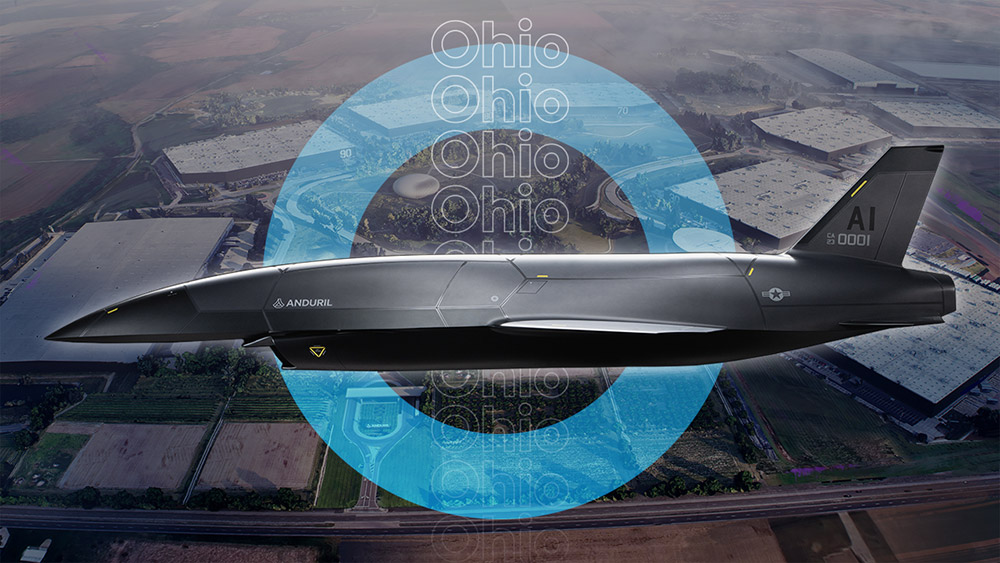
Anduril Industries provides an unusually visible test. The company announced its Arsenal-1 manufacturing complex in Pickaway County in January 2025. Roughly 18 months later, manufacturing was underway. The project is expected to create more than 4,000 jobs, making it the largest announced job-creation project in Ohio history.
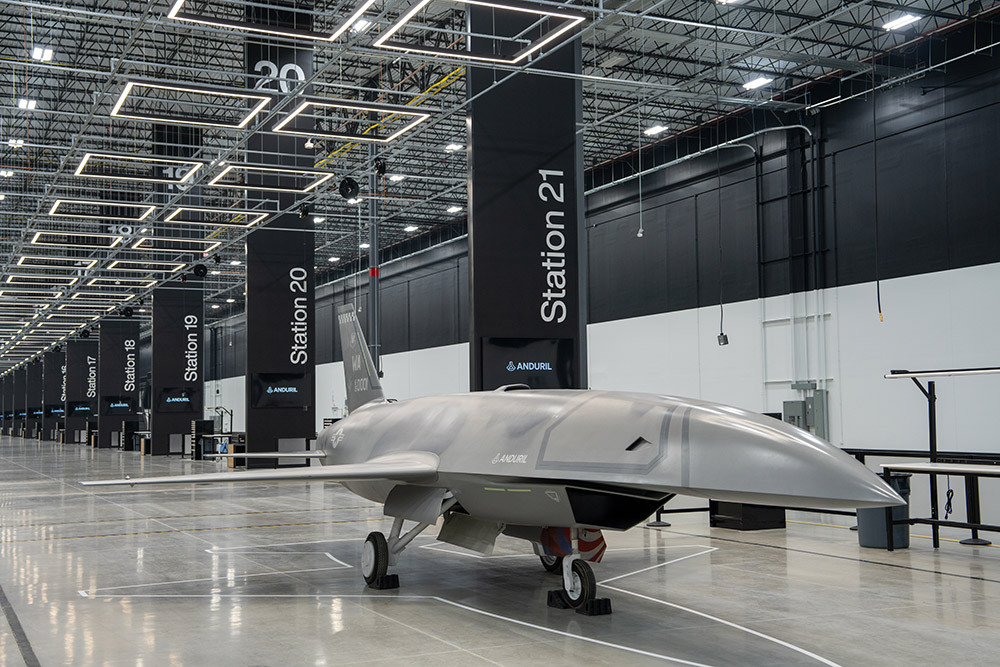
The timetable illustrates what increasingly separates competitive locations: much of the site work has to happen before the company arrives.
Ohio has invested in a statewide portfolio of development-ready sites, with infrastructure, due diligence and potential development constraints addressed ahead of demand. That allows permitting, utilities, workforce planning and local approvals to begin from a more advanced starting point.
For site selectors, this is an increasingly important distinction. Incentives can narrow a financial gap, but they cannot recover a year lost to an unavailable site, an unexpected infrastructure requirement or a permitting bottleneck.
Physical infrastructure remains central to that equation. Ohio combines one of the nation’s largest interstate networks with extensive freight rail capacity and access to a large share of the U.S. and Canadian population within a day’s drive. Its strong showing in Area Development’s water and logistics categories reflects assets that have become especially important as advanced manufacturing projects grow larger and more resource-intensive.
Other rankings are beginning to reflect the same shift. CNBC named Ohio its No. 1 state for business in 2026, a year in which its methodology placed greater weight on infrastructure and incorporated permitting speed, grid capacity and readiness for emerging industries.
But Ohio’s challenge now is sustaining the model as investment compounds.
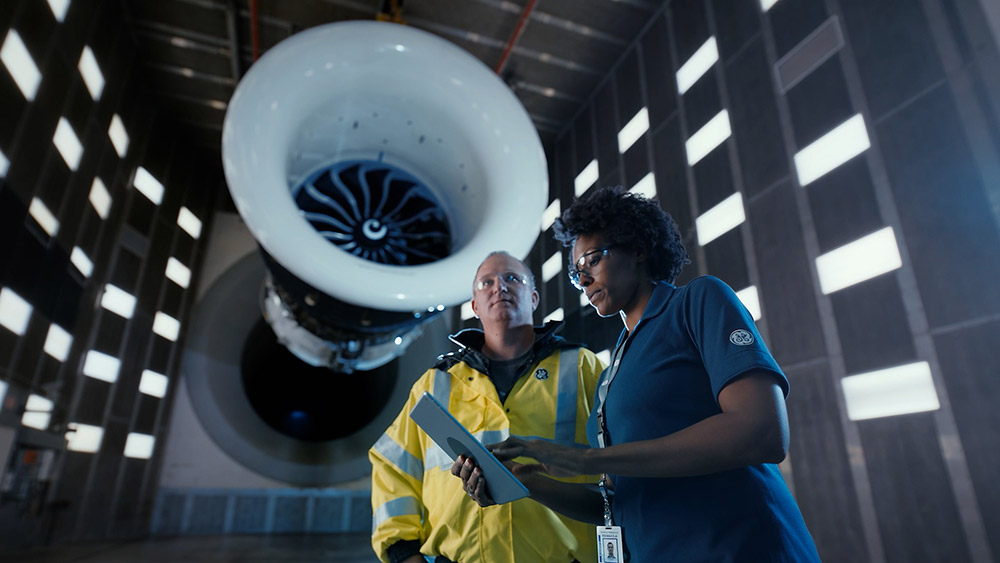
The state already has the nation’s third-largest manufacturing workforce and ranks highly with Area Development’s consultants on access to skilled labor and workforce training. At the same time, JobsOhio estimates employers could require another 540,000 engineers, technicians, AI specialists and other skilled workers by the mid-2030s.
That has prompted a new round of investment, including an experiential-learning initiative of up to $300 million, incentives to recruit out-of-state STEM talent and AI Ready Ohio, a statewide training and certification effort. The Ohio Discovery Corridor is similarly designed to connect universities, healthcare institutions and employers while expanding the state’s long-term STEM pipeline.
The tension is instructive. A state can have a workforce advantage today and still need to invest aggressively to preserve it tomorrow.
That may be the broader lesson from Ohio’s rise. State competitiveness is becoming less about possessing any single advantage than about whether sites, infrastructure, workforce and government can operate together at the speed of the investment.
Ohio has spent 15 years building that system. The next question is whether other states can replicate it — or whether the real advantage is the time it took to compound.