
Government Policy / Business Climate



Recent Features
Speed Built In—The Real Differentiator for 2026 Site Selection Projects
After a year where “shovel ready” often unraveled under scrutiny, the forward play is fewer unknowns and faster paths to operation—because constraints decide the field before incentives do.

Strategic Industries at the Crossroads: Defense, Aerospace, and Maritime Enter 2026
As industrial policy accelerated, the gap between ambition and execution widened: supply chain security, workforce clearance, and infrastructure bottlenecks revealed the unforgiving realities of building strategic industries at home.

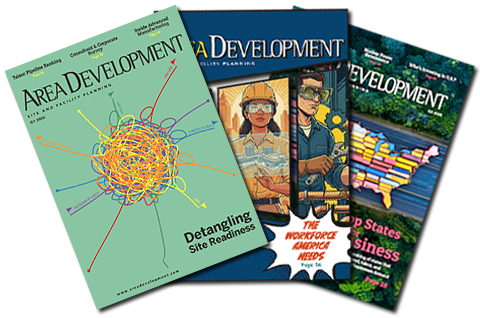
The Workforce Bottleneck in America’s Manufacturing Revival
As investment surges, a thinning workforce forces companies to rethink where—and how—they build in America.

Preparing for the Next USMCA Shake-Up
Business leaders should brace for potential costs and disruptions as North America’s free trade deal heads for review.

The New Industrial Revolution in Biotech
Domestic drug production is becoming a matter of national security, not just market strategy.

Tariff Shockwaves Hit the Industrial Sector
How rising tariffs, weak sentiment, and slowing e-commerce are shifting warehouse vacancy rates across major U.S. markets.

Who’s Liable When AI Builds?
Legal risks and the rise of the AI clause in construction contracts.

Why Utilities Are Becoming Developers
The energy transition is reshaping real estate strategy as utilities and corporations compete for control of generation assets.

Rethinking Auto Site Strategy in the Age of Tariffs and Powertrain Shifts
As EV momentum slows and tariffs rise, automotive companies are reworking supply chains, production plans, and location strategies to adapt to a rapidly changing market.

Where MedTech Grows Best
How data, labor, and logistics drive location decisions for next-gen MedTech manufacturing.

A New Course for U.S. Shipbuilding
Maritime Prosperity Zones could reshape shipbuilding and repair across the U.S. — if defined and used wisely.

The Permit Puzzle and the Path to Groundbreaking
Why the most successful projects build permitting strategy into their earliest site and construction decisions.
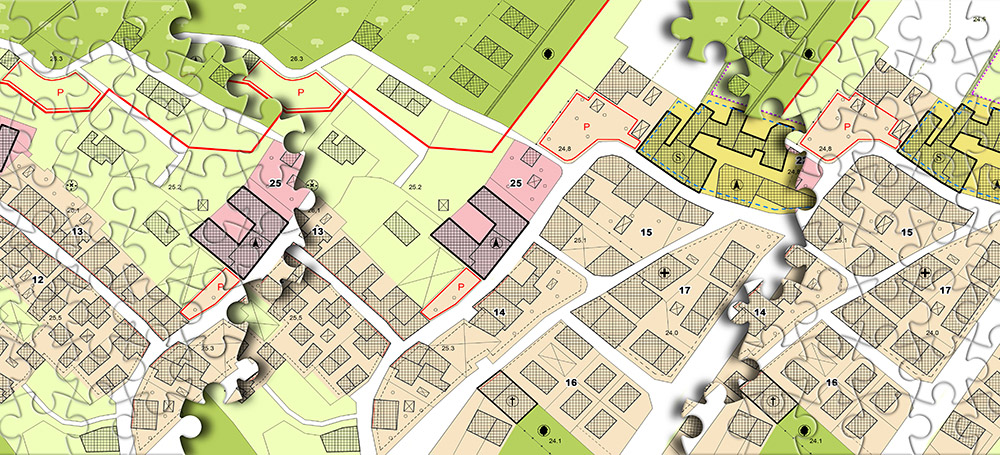
The Compliance Reckoning Is Here
New challenges—from automation to federal fallout—are testing how companies manage risk in incentive-backed projects

2025’s Top States for Business: How the Winners Are Outpacing the Rest
Speed, workforce alignment, and energy infrastructure now define the best states for doing business — not just incentives or tax breaks. Our exclusive rankings break down how the top performers are staying ahead in a tightening market.

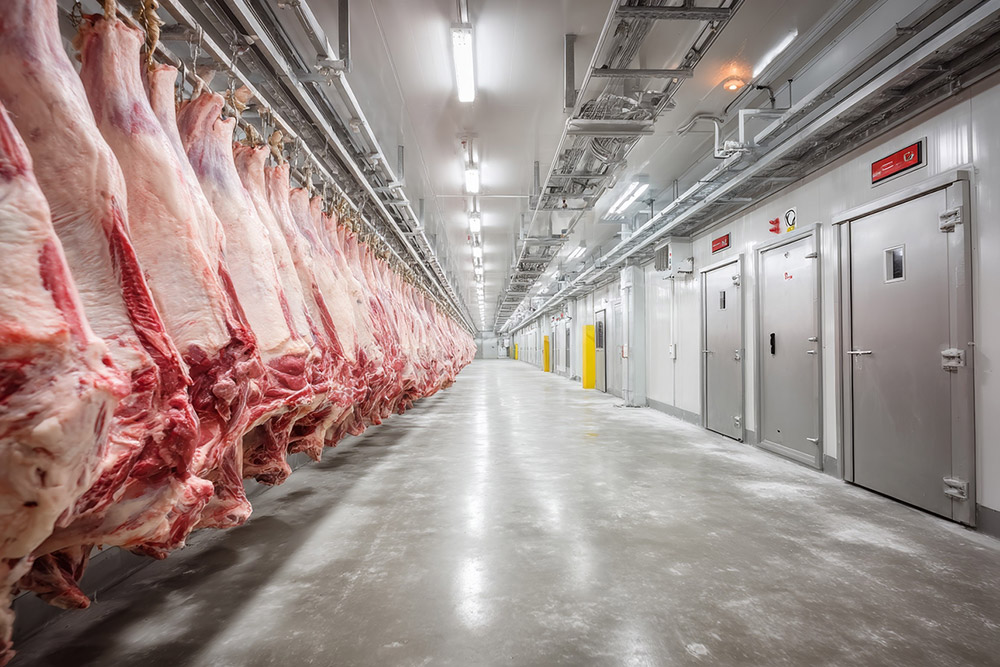
Investors Seek Shelter in Food-Focused Real Estate
Cold storage and grocery-anchored retail are proving to be safe havens as consumer behavior shifts and CRE volatility grows.
A New Era in Conservation and Economic Opportunity
MABA reframes conservation policy by emphasizing incentives, partnerships, and business-friendly opportunities across sectors.

Supply Chain Whiplash Reshapes CRE
Power, ports, and unpredictability are pushing manufacturers to rethink their entire real estate approach.
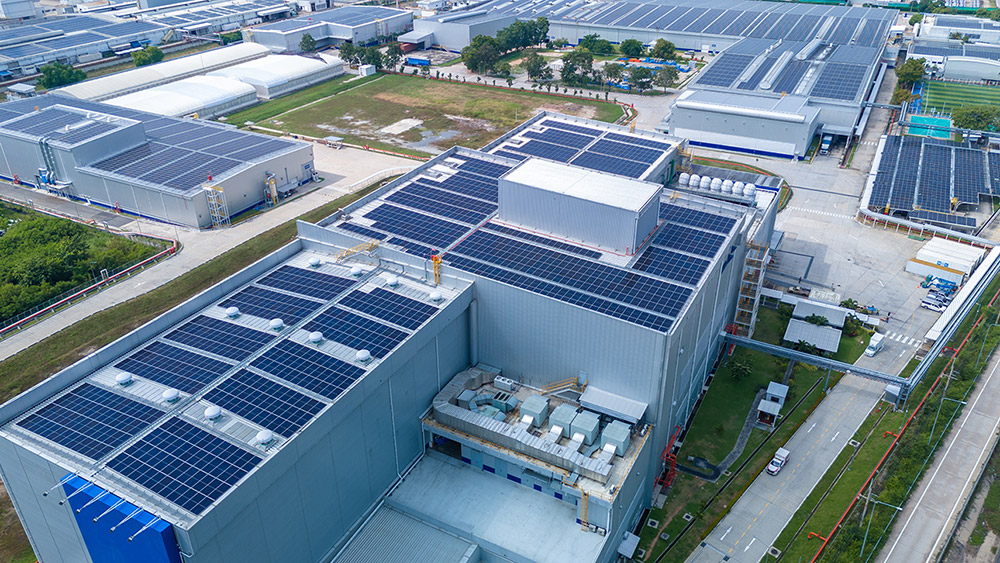
How Canada Stays Competitive
As trade tensions mount, Canada’s supply chain reboot aims to retain foreign investment and reduce risk exposure.

How to Manage the Surge in Building Costs
Construction firms are navigating supply shocks, labor shortages and policy pressures with smarter, early-stage coordination.

U.S. Textile Manufacturers are Building for the Future
Automation and policy incentives could reshape the future of American textile production.

Manufacturing’s New Risk Game for Site Selection
Companies face growing challenges as tariffs, political shifts, and trade policies disrupt location strategies.
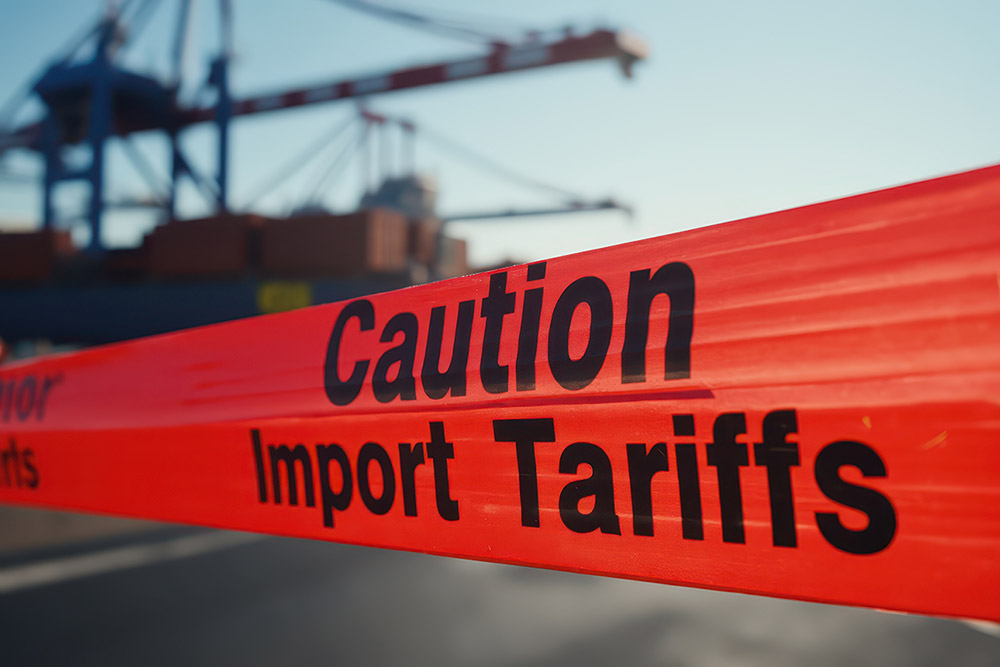
Last Word: Time for States to Shine
With federal action slowing and market forces accelerating, private firms are finding that the most effective policy responses—on issues like energy, housing, and workforce—are coming from state and local governments with the agility to act.

How Innovation and Investment Are Reshaping Life Sciences in 2025
Talent shortages, financing volatility, and supply chain shifts define the life sciences outlook.

The Legal Limits of DEI in Incentives Agreements, Hiring, and Contracting
States and cities have tied incentives to diversity, equity, and inclusion (DEI) goals — such as subcontracting targets or workforce composition — but a new executive order from the Trump administration and related lawsuits are raising the legal stakes. That raises new questions about what’s lawful and what’s not when it comes to DEI, affirmative action, and the use of contracting targets — and how that may impact your next location decision.

The New Math Behind Mexico and U.S. Manufacturing Decisions
Rising wages, grid strain, and policy shifts are changing the calculus for manufacturers in North America.

Facility Deployments in a Dynamic Electric Landscape
How companies can adapt to evolving utility policies, secure reliable power, and mitigate risks in a shifting electric landscape.

39th Annual Corporate & 21st Annual Consultants Surveys: What Business Leaders and Consultants Are Saying About Site Selection
The findings from Area Development’s annual surveys provide a comprehensive look at how decision-makers are navigating the current landscape and what factors are shaping their investment plans.

Navigating the new era of SCIF construction
Changing compliance standards, heightened geopolitical threats drive SCIF (Sensitive Compartmented Information Facilities) construction boom.

U.S. Tariff Outlook: Key Signals to Watch in 2025
How economic developers, manufacturers, and policymakers can prepare for potential trade shifts.

A Tale of Two Industrial Winds
Shifting supply chains, evolving trade policies, and new investment trends are reshaping the industrial real estate landscape.

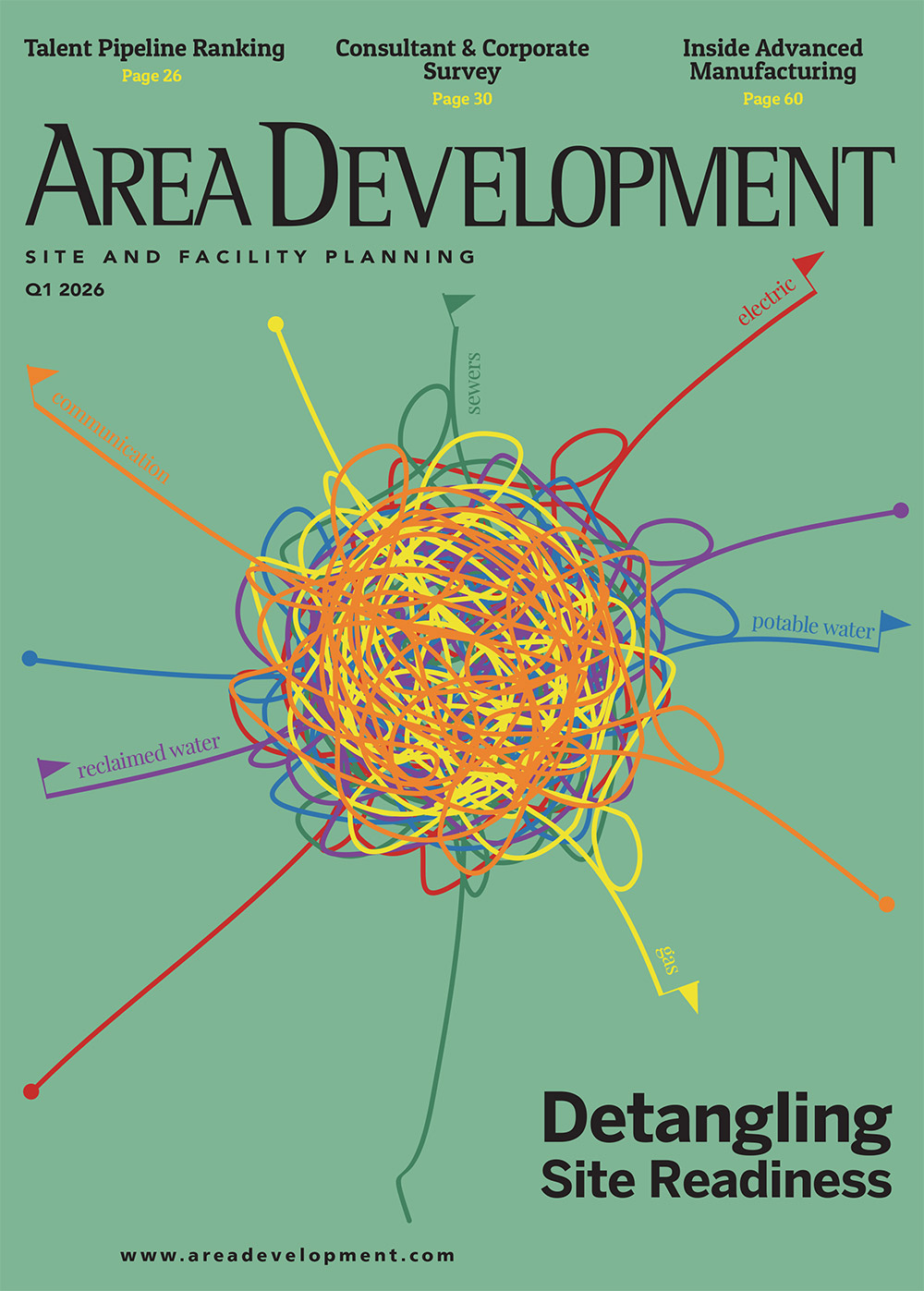
Editor's Note: Raising the Bar on Readiness
How to Spot a Community That’s Ready for Your Investment
A Site Selector’s Guide for Separating the Real Partners From Pretenders.
Rethinking Local Governments Through Consolidation and Choice
Voluntary regional consolidation can deliver what corporate project teams value most: predictability, speed and scale. Indiana’s experience and international models show how optional, capacity-building frameworks make regions more investable.
Around the Horn: North America’s Trade Tensions
Charlie Smith, managing director of geopolitical strategy at Newmark Global Strategy discusses the current trade tensions across North America and their implications with his colleagues, managing director Carlos Sanchez (based in Mexico) and senior managing director Gregg Wassmansdorf (based in Canada).
First Person: Brent Omdahl, SVP Government Affairs for Global Wafers
The EVP for Government Affairs at GlobalWafers shares insights on a $3.5 billion investment in Sherman, Texas, workforce development, and how the CHIPS Act has reshaped semiconductor manufacturing in the U.S.